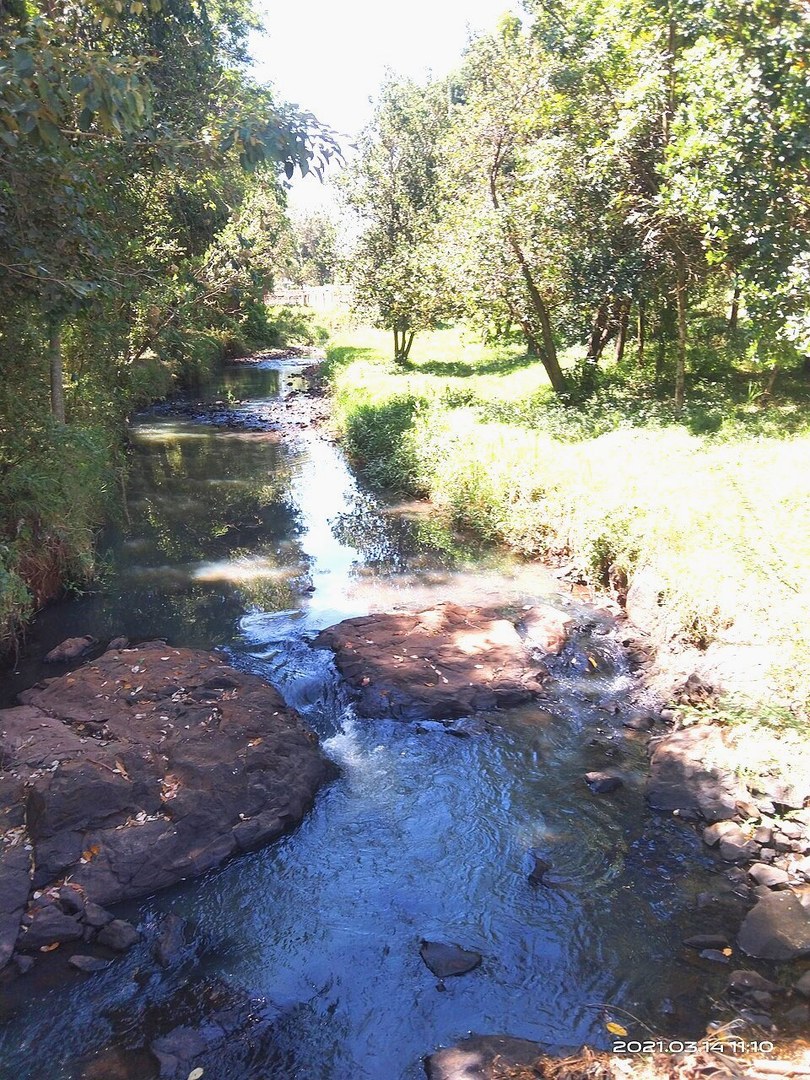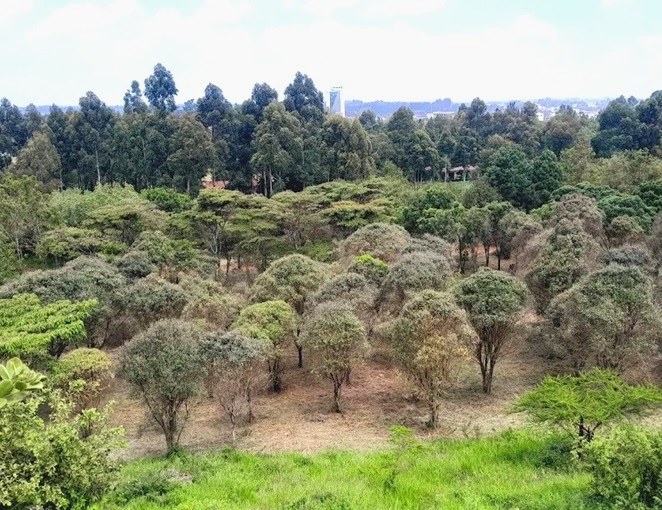
Koibatek Forest
Koibatek Forest 是巴林戈地貌旅行中的一个鲜明坐标。它适合放在大裂谷北段的整体背景中理解:断崖、河谷、火山岩、湖泊和高地道路共同塑造了这里的景观。
巴林戈的保护地和森林与东非经典国家公园不同,它们更贴近社区生活。牧场边界、蜂蜜生产、放牧季节、野生动物通道和社区项目会同时出现;游客如果只把这里当成“找动物”的地方,反而会错过它真正有意思的部分。
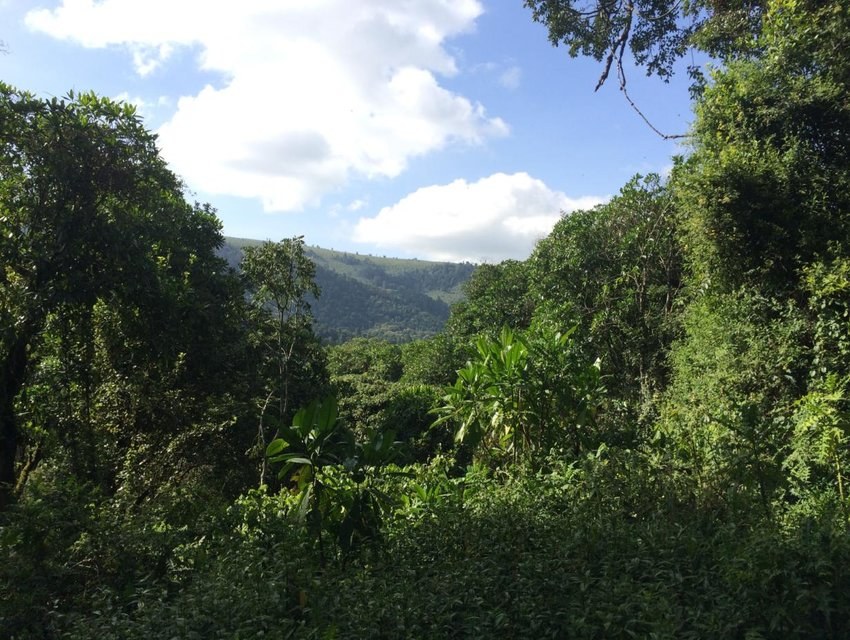
森林线路与湖区和半干旱草地形成鲜明对比。进入森林后,气温、植被、鸟声、道路湿度和视野都会改变,适合把它作为巴林戈行程里的“降温段”。
游览 Koibatek Forest 时,注意力可以放在温度、湿度、树种、鸟声和道路变化上。森林让巴林戈从湖岸和半干旱平原切换到另一种生态空间,也适合安排成行程中的慢节奏段落。
Lake Baringo 是巴林戈旅行的核心参照点之一。它是大裂谷北段少见的淡水湖,湖岸、岛屿、鸟类、渔村和住宿点共同构成了当地旅行的节奏。
鸟类是巴林戈旅行的重要看点。清晨和傍晚光线更柔和,也更适合观察湖岸、林缘、灌丛和湿地中的鸟类活动。
几个关键数字可以帮助你预估现场尺度和行程节奏:41、21、20。这些数字不只是冷冰冰的参数,它们会直接影响停留时间、拍摄距离、车辆安排和当天是否需要预留更多路程缓冲。
森林活动要看天气和路况。雨后道路可能泥泞,步道边界也不一定明显,最好使用当地向导或明确的道路进入。
Eldama Ravine 位于较凉爽的高地地带,与森林、水库、农田和通往 Eldoret 方向的道路联系更紧密,旅行感受不同于湖区的半干旱景观。
到 Koibatek Forest 不要只看地图直线距离,更要看道路类型和当天路况。巴林戈的高地、湖岸和半干旱平原之间海拔和地表差异很大,同样几十公里,体验可能完全不同。进入保护地或森林时,最好让当地向导判断路线;他们更清楚季节性水源、动物活动、社区边界和车辆能否通过。
Koibatek Forest 可以作为湖区行程中的生态转换段:从干热湖岸进入更凉爽的林地,再回到城镇或住宿点。这样的节奏比一整天都在烈日下移动更容易被游客接受。
实际出行时,可以把 Koibatek Forest 的停留时间分成三部分:先在安全位置建立整体印象,再根据光线、天气和向导意见选择拍摄或步行范围,最后留一点时间观察当地人的使用方式。这样体验下来,游客记住的就不只是“这里很美”,而是它为什么会形成现在的样子。
更适合 Koibatek Forest 的旅行方式,是把它当作巴林戈整体线路的一部分:前后衔接 Lake Baringo、Lake Bogoria、Kerio Valley、Kabarnet、Marigat 或周边保护地时,游客会更容易理解这里为什么值得停留。
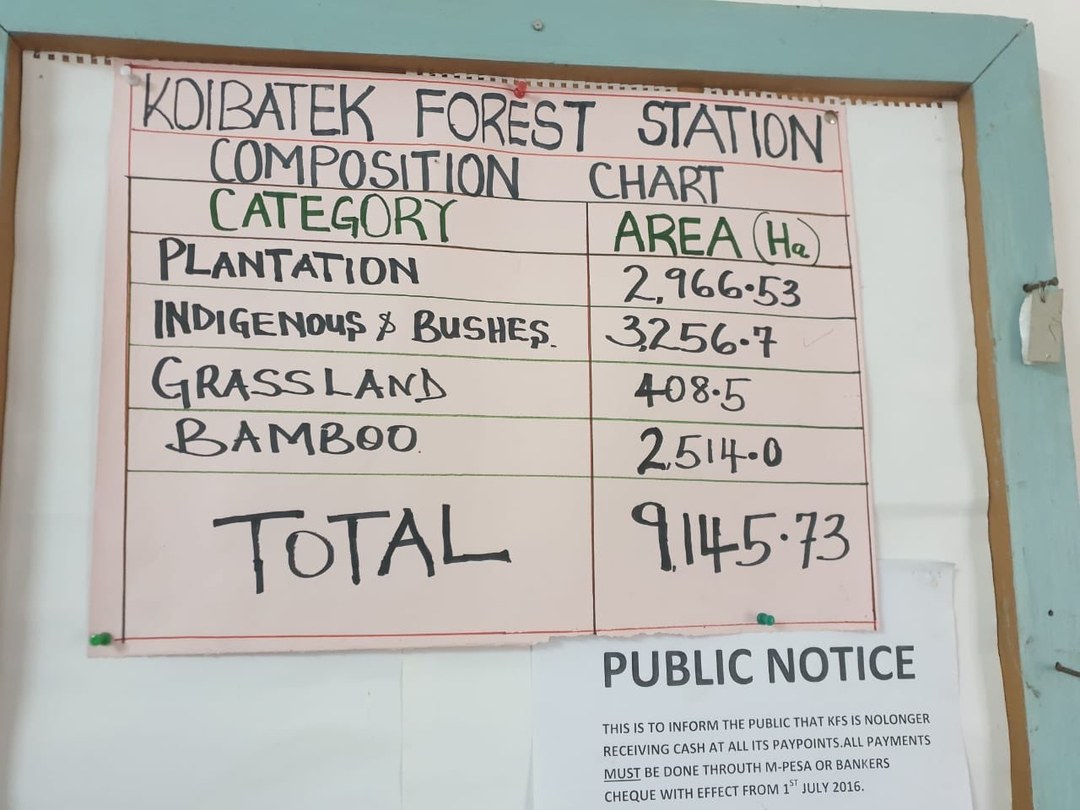
Touring Koibatek Forest Station
Koibatek Forest is situated in the Koibatek sub-county of Baringo County, near the town of Eldama Ravine. It is part of the larger ecosystem of the Great Rift Valley. Marking the southern limits of Baringo along the border with Kericho and Nakuru, Koibatek Forest is the headwaters for the Molo River, draining into Lake Baringo.
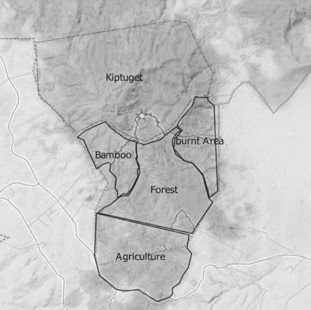
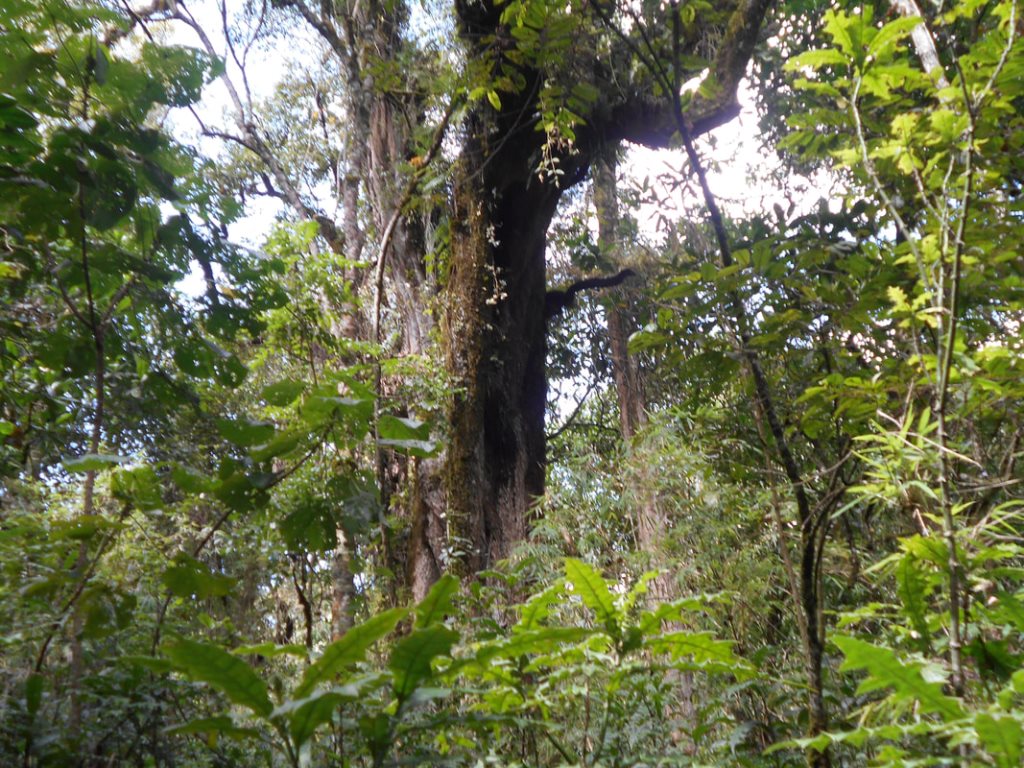
It is one of the indigenous forests in Kenya, and it plays a vital role in biodiversity conservation and as a water catchment area. The Kenya Forest Station at Sabatia – one of its seven forest stations – is a great jumping-off point to explore this 41 km2 floral rich forest. Also noteworthy is the “Maji Mazuri” settlement along Ravine-Makutano-Kampi ya Moto Road which has been inhabited by a curious mix of varied communities and who have coexisted peacefully for generations.
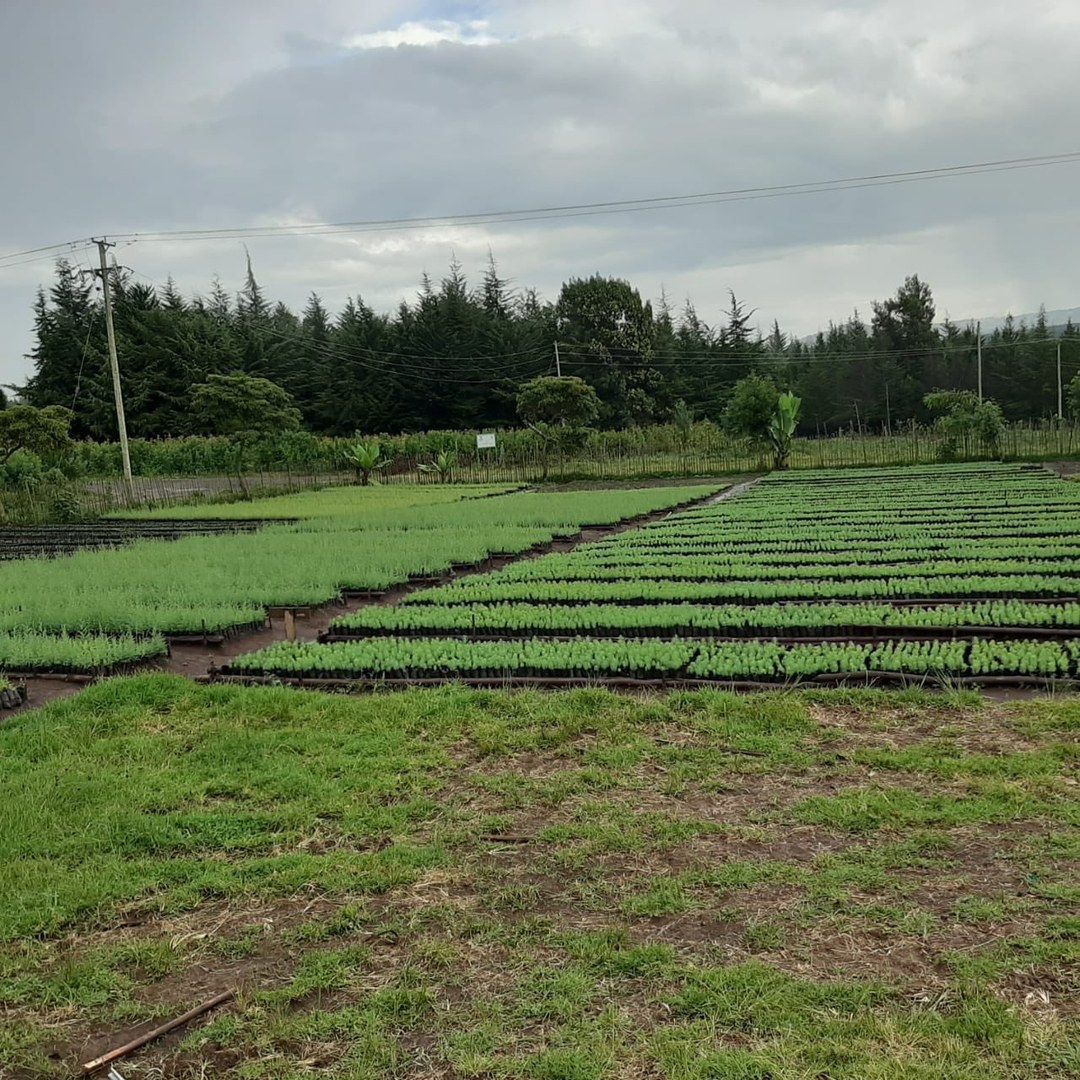
The larger part of Koibatek Forest is dominated by planted forests that cover an approximated area of 21 km2, while the remaining section of approximately 20 km2 is covered by indigenous forest. The forest is home to a diverse range of plant and animal species, including various indigenous tree species, wildlife, and bird species. It is an important ecological area for the preservation of biodiversity.
Conservation initiatives have been undertaken to protect the forest from deforestation and illegal activities. Local communities, non-governmental organizations, and government agencies have been involved in efforts to conserve and manage the forest sustainably. The forest also has recreational and educational value. It is visited by nature enthusiasts, researchers, and students interested in learning about Kenya's unique ecosystems and biodiversity.