
Santo Antonio de Tanna(圣安东尼奥德塔纳沉船)
导语
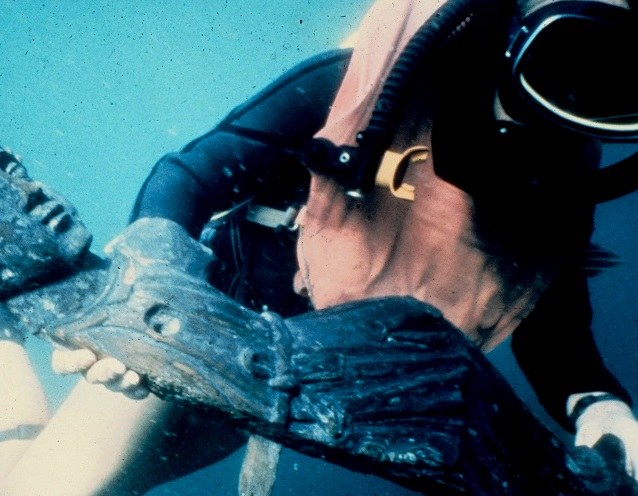
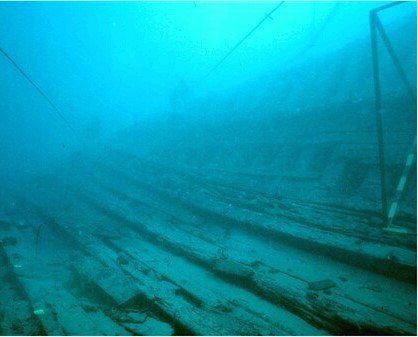
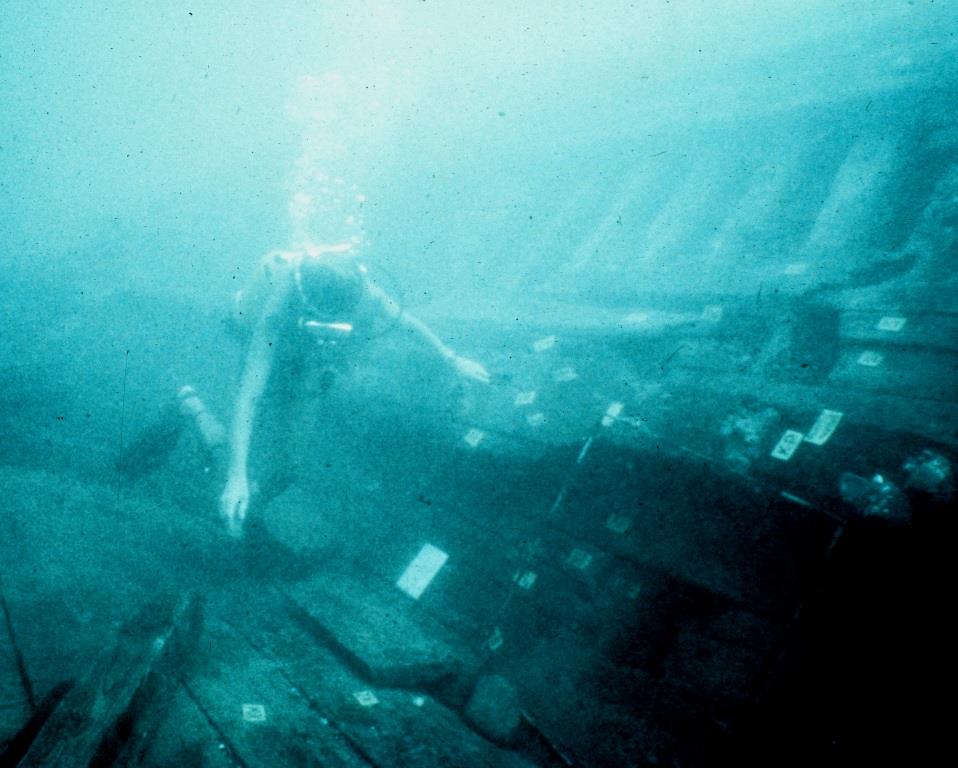
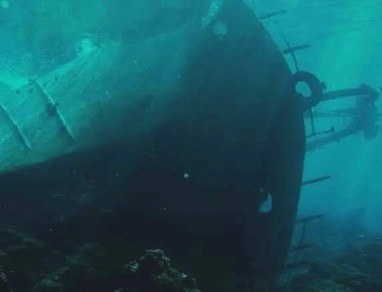
Santo Antonio de Tanna(圣安东尼奥德塔纳沉船)位于蒙巴萨,属于城市目的地。页面重点包括Santo Antonio de Tanna was a Portuguese India fleet’s frigate destroyed on October 20th, 1697, and sunk in front of Fort Jesus after it came under unshakable attacks from the Omanis,由此展开当地地理、交通、文化和旅行背景。
正文
圣安东尼奥德塔纳沉船(Santo Antonio de Tanna)位于蒙巴萨,可作为了解当地地方目的地的一处入口。它的价值不只在于“到此一游”的景点标签,更在于把蒙巴萨的地理环境、城市生活、道路节点和地方记忆连接起来。
圣安东尼奥德塔纳沉船最值得关注的是地理位置、到达方式、现场体验和周边可串联内容。对旅行者来说,判断一个地方是否值得停留,关键不只是名称本身,而是它与周边道路、城镇和其他目的地之间的关系。放在一条县域线路中阅读,圣安东尼奥德塔纳沉船会显得更具体,也更容易被纳入实际行程。
从现有资料看,圣安东尼奥德塔纳沉船的吸引力主要来自现场环境和地方背景。它适合用较慢的节奏停留:观察空间本身,理解它与蒙巴萨城市或乡村生活之间的关系,再结合照片和周边地点形成完整印象。
把圣安东尼奥德塔纳沉船放进肯尼亚旅行语境中,它补足的是主流 safari 线路之外的县域细节。这里呈现的不是单一动物观赏或酒店体验,而是更日常、更具体的地方肯尼亚:城市绿地、社区空间、自然边界、历史痕迹和道路连接共同构成了目的地的真实质感。
因此,圣安东尼奥德塔纳沉船适合作为蒙巴萨目的地资料中的一页:它帮助读者快速理解这个地点的基本定位,也为规划区域停留、补充现场照片和串联周边路线提供参考。适合希望理解肯尼亚县域目的地的读者,都可以从这里获得一个可靠的起点。
英文原文
It’s safe to say that no town along the East African coast has had as speckled a history as Mombasa. Africans, Arabs, Portuguese, Turks, the Zimba, Portuguese, Arabs, a brief return of Portuguese, Arabs again and the British all held sway here before finally the wheel turned back to the Africans, gaining sovereignty over the hankered-after island. Very little is known of the earlier years prior to the first appearance of the Portuguese. It is since their arrival that we have many of the captivating chronicles of her history. Each newcomer to Mombasa, including the Portuguese, faced off with the formidable folk of Mombasa; the Twelve Nations.
This foremost amalgam of the descendants of Mombasa, ruled over by the Shirazi dynasty, and more recent immigrant Swahili groups, migrated south to Mombasa Island during or after the sixteenth century. These groups were later reorganized after the Portuguese destroyed the upended Shirazi polity in 1591-93. The Twelve Nations played a significant role in Mombasa’s social and political scene, more so during the period of Omani Arab takeover. It appears likely that the Shirazi dynasty and its retainers were themselves derived from older Swahili settlements along the southern Somali coast. After their fall, Mombasa’s accretions of foreign Swahili gradually reorganized themselves into the much-praised twelve mataifa or ‘tribes’.
The Twelve Nations referring to twelve Swahili communities was formed by two separate and sometimes hostile confederations: Thelatha Taifa (Three) and Tisa Taifa (Nine). Political unity was maintained by means of a loosely structured state system in which foreign dynasties of Omani Arabs, first the Mazrui and later the Busaidi, bridged the gap between the two confederations. During the Mazrui era (circa 1735–1837), Mombasa was an independent city-state, enjoying political hegemony over much of the Kenya and north Tanzania coasts. Under Busaidi rule (1837–95) the city lost its independence and was merged into Zanzibar Sultanate.
The native name of Mombasa, Mvita, means war and never was a name more justified by history. There can be hardly any other enclave along the East African coast which has been besieged, captured, sacked, burnt, and razed to the ground so often and in so short a time. Indubitably, Mombasa played a significant role in the development of the coast. Founded circa 900 AD, although its been suggested it was inhabited even earlier, Mombasa had been subject to different spheres of Arab influence, and when the Portuguese arrived, in 1498, they found that it had a series of autonomic towns, peopled by Arabs, but not united to Arabia by any ties.
图片
Reply