
Matondoni Dhow Workshop(马通多尼独桅帆船工坊)
导语
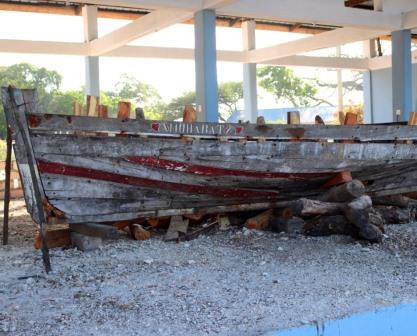
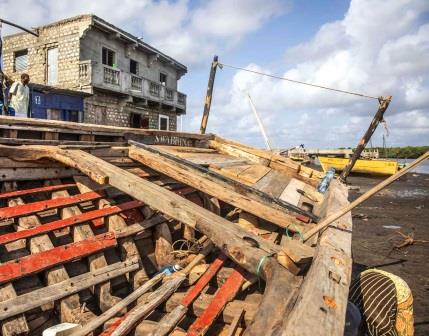
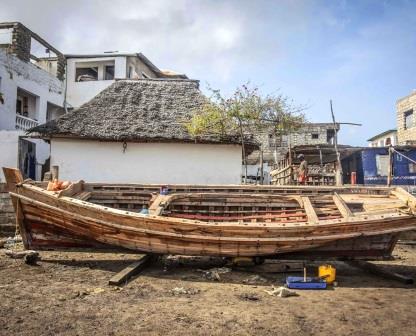
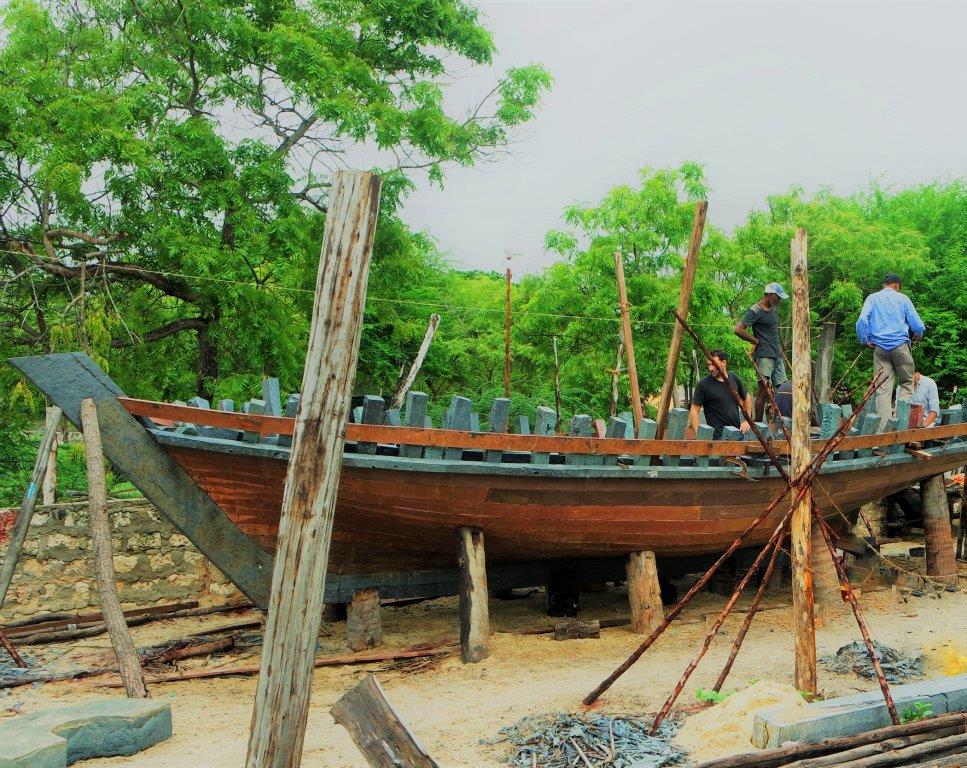
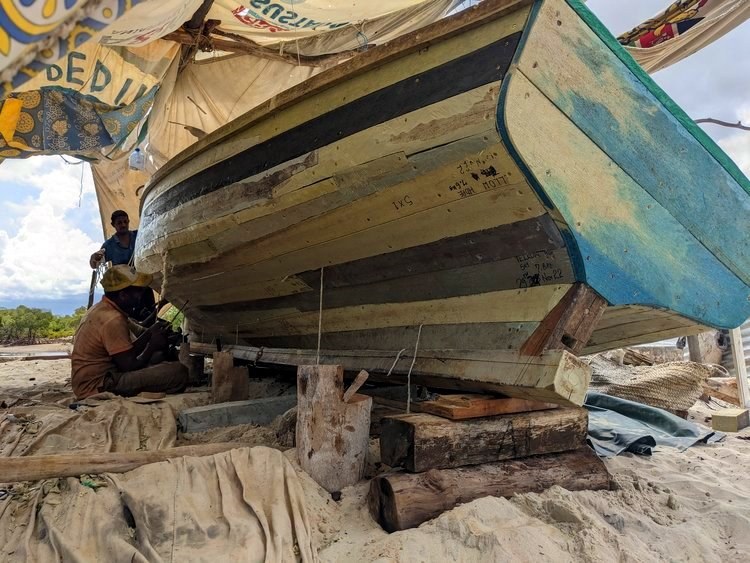
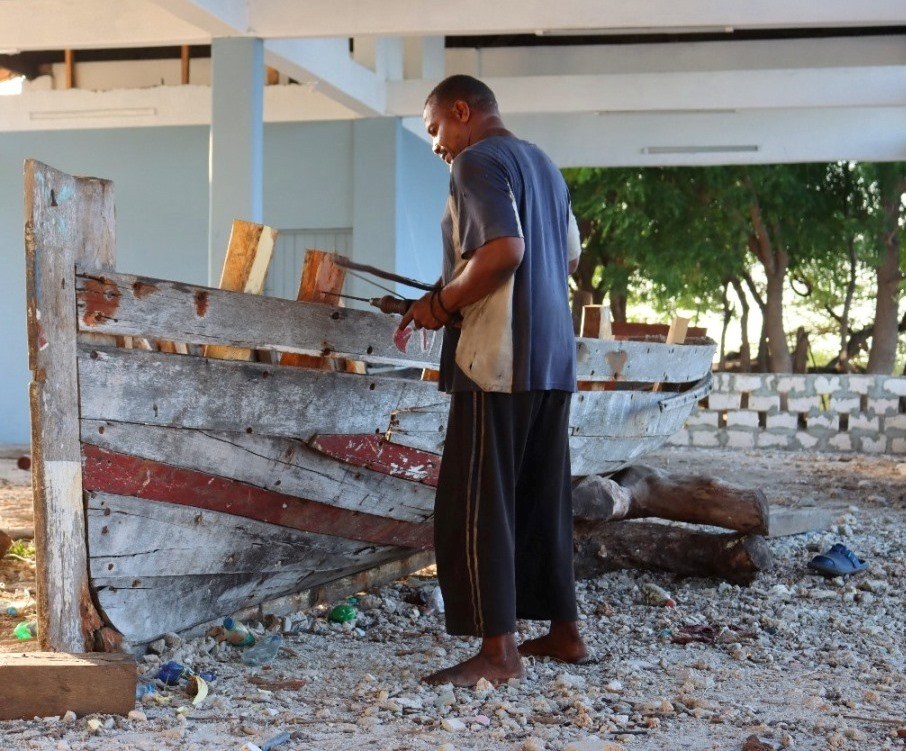
Matondoni Dhow Workshop(马通多尼独桅帆船工坊)位于拉穆县,属于文化活动 / 日常生活。页面重点包括The intricate and tough knack of building boats, much like the ornate carvings on the doors, is fascinating to observe. The workshop is found in Matondoni Village,由此展开当地地理、交通、文化和旅行背景。
正文
马通多尼独桅帆船工坊(Matondoni Dhow Workshop)位于拉穆县,可作为了解当地地方目的地的一处入口。它的价值不只在于“到此一游”的景点标签,更在于把拉穆县的地理环境、城市生活、道路节点和地方记忆连接起来。
马通多尼独桅帆船工坊最值得关注的是地理位置、到达方式、现场体验和周边可串联内容。对旅行者来说,判断一个地方是否值得停留,关键不只是名称本身,而是它与周边道路、城镇和其他目的地之间的关系。放在一条县域线路中阅读,马通多尼独桅帆船工坊会显得更具体,也更容易被纳入实际行程。
从现有资料看,马通多尼独桅帆船工坊的吸引力主要来自现场环境和地方背景。它适合用较慢的节奏停留:观察空间本身,理解它与拉穆县城市或乡村生活之间的关系,再结合照片和周边地点形成完整印象。
把马通多尼独桅帆船工坊放进肯尼亚旅行语境中,它补足的是主流 safari 线路之外的县域细节。这里呈现的不是单一动物观赏或酒店体验,而是更日常、更具体的地方肯尼亚:城市绿地、社区空间、自然边界、历史痕迹和道路连接共同构成了目的地的真实质感。
因此,马通多尼独桅帆船工坊适合作为拉穆县目的地资料中的一页:它帮助读者快速理解这个地点的基本定位,也为规划区域停留、补充现场照片和串联周边路线提供参考。适合希望理解肯尼亚县域目的地的读者,都可以从这里获得一个可靠的起点。
英文原文
Visitors to Lamu ought to have as an object of their trip, in public areas, the pursuance of a casual hobby to better understand boats, the primary mode of conveyance in this backwater archipelago of the Indian Ocean. The variations, interesting to observe in spitting distance, is generally of: mtepe, dau, jahazi and mashua. Of the vessels of Swahili sewn boats, the iconic mtepe and the humble dau are etched in folktales of the great civilizations of antiquity and are as old as the first kin to live here. Mentions to the presence of sewn boats in the western Indian Ocean, especially in the vicinity of the East African coast, were propitiously mentioned in ‘Periplus of the Erythraean Sea’ in the middle of the 1st century CE.
The mtepe (pl. mitepe), described aptly as a broad and shallow vessel coming to a point at both ends, with a long projecting prow, forward raking mast, and a large square mat sail, is the earliest known design of sailing vessel used by the Swahili. It has probably been written about more than any other boat on the Swahili coast. “The reason for all this attention is that the mtepe, or rather a modified version of it known in the literature as the dau la mtepe, was the last sewn boat to be made and sailed by Swahili speakers. This was in the 1930s”. The two classes of mitepe, utangu and mtepe, differ in shape and design: The front of the mtepe is shaped like a camel’s neck, while that of the utangu is shaped like the neck of a horse.
But both have a hull of planks sewn together with coir, often assembled without nails, and caulked between the planks with thickset fish oil. Whilst the dau la mtepe is usually described as an inferior latter-day revision of the true mtepe, it turns out that the Swahili dau (pl. madau) has a much more eminent linguistic pedigree. Not only does the dau have a claim to be considered the quintessential Swahili boat, but its name is also the source of Anglo-Indian “dhow”, and must be one of the earliest Swahili words to have entered the English language, perhaps even the first. There are many types of daus, depending on size and function.
The largest ocean-going vessel is correctly known as the jahazi, often crowed as the dau, in clear error, which may be no more than just an outsider’s curious and quirky reference to the modern sailing dhow. What’s more, the name dau was and is used to refer to many types of sailing craft including the mtepe and the jahazi. The shapes of the jahazi differ, but one analogous facet is that they usually have a wooden ‘eye’ attached to each side of the boat or bow for protection against evil spirits, yet, this could not be said to unique with the jahazi as many other boats spot the eye emblem. One problem with identification of a jahazi is how small it must be to be known as a kijahazi or mtepe. Mashua refers to a class of vessels, usually open boats, built from planks with a pointed bow and stern.
图片

Reply