
Kongo Mosque(刚果清真寺)
导语
Kongo Mosque(刚果清真寺)位于夸莱县,属于斯瓦希里遗产 / 文化景观。页面重点包括The 14th century Arab-style Kongo Mosque, originally known as the Diani Persian Masjid, and also cited as Tiwi Mosque, is thought to be one of the oldest along South Coast,由此展开当地地理、交通、文化和旅行背景。
正文
刚果清真寺(Kongo Mosque)位于夸莱县,可作为了解当地地方目的地的一处入口。它的价值不只在于“到此一游”的景点标签,更在于把夸莱县的地理环境、城市生活、道路节点和地方记忆连接起来。
刚果清真寺最值得关注的是地理位置、到达方式、现场体验和周边可串联内容。对旅行者来说,判断一个地方是否值得停留,关键不只是名称本身,而是它与周边道路、城镇和其他目的地之间的关系。放在一条县域线路中阅读,刚果清真寺会显得更具体,也更容易被纳入实际行程。
从现有资料看,刚果清真寺的吸引力主要来自现场环境和地方背景。它适合用较慢的节奏停留:观察空间本身,理解它与夸莱县城市或乡村生活之间的关系,再结合照片和周边地点形成完整印象。
把刚果清真寺放进肯尼亚旅行语境中,它补足的是主流 safari 线路之外的县域细节。这里呈现的不是单一动物观赏或酒店体验,而是更日常、更具体的地方肯尼亚:城市绿地、社区空间、自然边界、历史痕迹和道路连接共同构成了目的地的真实质感。
因此,刚果清真寺适合作为夸莱县目的地资料中的一页:它帮助读者快速理解这个地点的基本定位,也为规划区域停留、补充现场照片和串联周边路线提供参考。适合希望理解肯尼亚县域目的地的读者,都可以从这里获得一个可靠的起点。
英文原文
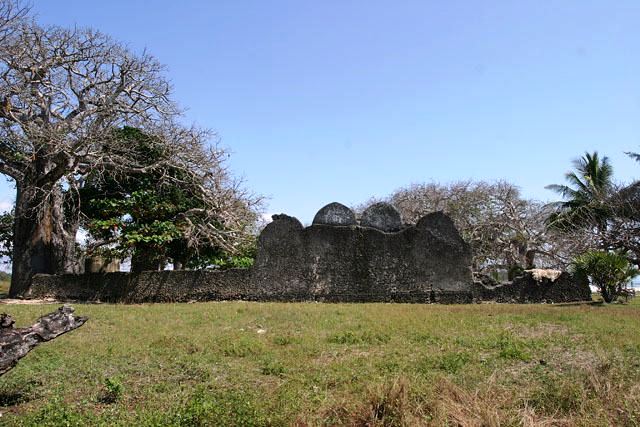
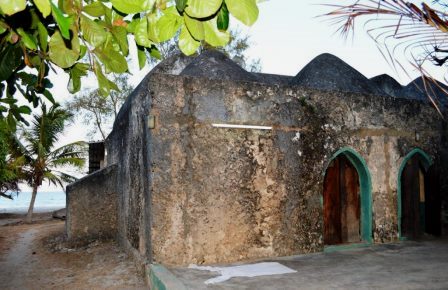
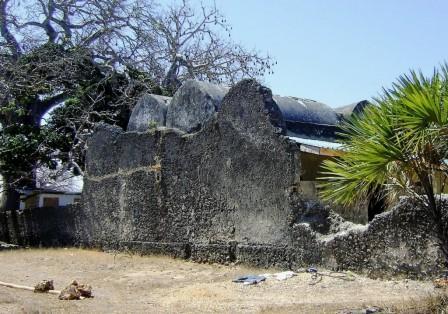
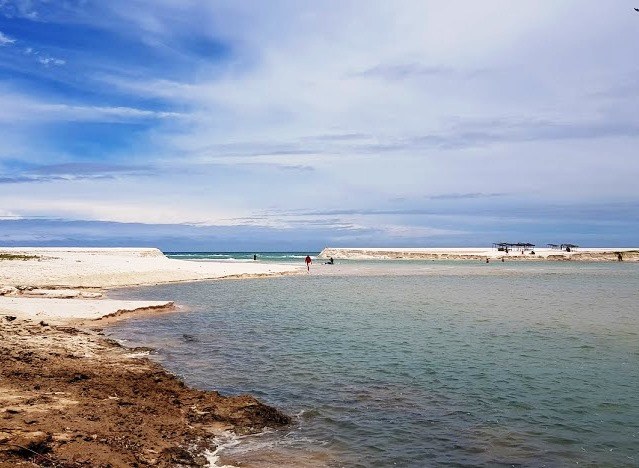
The 14th century Arab-style Kongo Mosque, originally known as the Diani Persian Masjid, and also cited as Tiwi Mosque, is thought to be one of the oldest along South Coast. It reflects the long-standing influence of Arab traders integrated with Swahili, Islamic, and coastal architectural styles. Most parts of its unusual copula or barrel vault have remained almost intact for many centuries and, amazingly, it is still used as a community mosque. Capturing almost every architectural facet of its antiquated era, the relic Kongo Mosque along the sightly Tiwi Beach and scenic creek, girded by enormous baobab trees, depicts the style of early Arab Mosques.
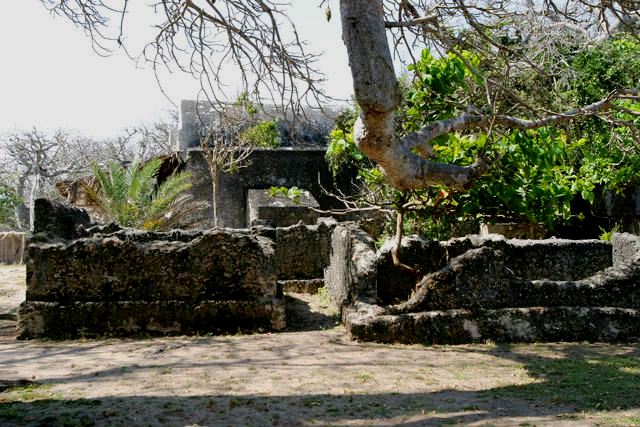
The standing walls of the mosque are still structurally stable as is the coral rag on most exterior parts of the perimeter walls although this has lost some bondage to the substrate and fallen off in some sections. The flanking rooms are roofed with domes, and the three rear rooms are covered by four longitudinal barrel vaults. The doorways are rather simple archways, as in the mihrab, which opens without adornment from the wall plane into an undecorated apse. This mihrab design resembles that at the mosque by the sea at Munge and, in northern Lamu, at the mosque of the pillar at Shanga. It is a plain arch cut coral with an apse, belonging to the early classic type that dates between the late 14th and early 16th centuries.
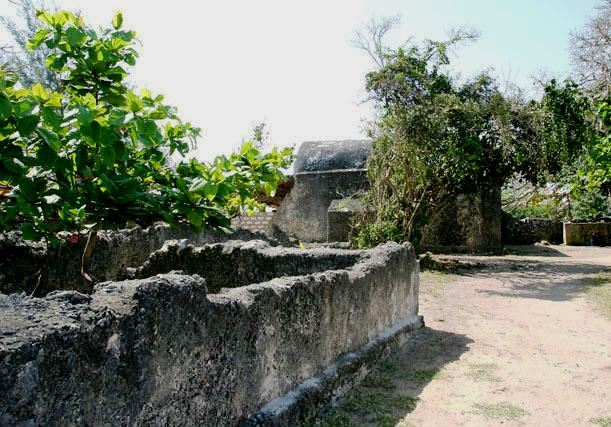
“West of the mosque are walled courtyards, and to the north are five or more tombs, labelled A-E on the accompanying illustration. Tombs B, C, and D are interesting because they have basal curbs, but more particularly because they are rather large and are approximately square, or measure slightly longer on the east and west sides than on the north and south sides. Only tomb B was panelled, on the east side only, above which was a frieze of niches. Tomb C might have been a step end tomb”. It is located near Amani Tiwi and offers a chance to explore the last surviving relic of the ancient Swahili civilization that once swayed the coast and it is one of only a handful of antiquated coral mosques still in use in Kenya.
There are dozens of well-studied and accessible historic sites along the Kenya’s Coast. Some of the historic sites located here are composed of the old settlement towns and outlying groups of tombs. North to South, the coast is awash with a collection of ruins, found mainly along the beach, many of them on private lands.
图片

Reply