
Kibwezi Forest(基布韦齐森林)
导语
Kibwezi Forest(基布韦齐森林)位于马库埃尼县,属于Kibwezi / Umani / Safari。页面重点包括This 72 km2 forest, across from the turnoff into Kibwezi, is nestled between the rolling foothills of the Chyulu Hills with the vast plains of the Amboseli ecosystem beyond, and Tsavo Park stretching east,由此展开当地地理、交通、文化和旅行背景。
正文
基布韦齐森林(Kibwezi Forest)位于马库埃尼县,可作为了解当地自然空间的一处入口。它的价值不只在于“到此一游”的景点标签,更在于把马库埃尼县的地理环境、城市生活、道路节点和地方记忆连接起来。
基布韦齐森林最值得关注的是生态环境、植被景观、城市绿地价值和现场游览体验。对旅行者来说,判断一个地方是否值得停留,关键不只是名称本身,而是它与周边道路、城镇和其他目的地之间的关系。放在一条县域线路中阅读,基布韦齐森林会显得更具体,也更容易被纳入实际行程。
从现有资料看,基布韦齐森林的吸引力主要来自现场环境和地方背景。它适合用较慢的节奏停留:观察空间本身,理解它与马库埃尼县城市或乡村生活之间的关系,再结合照片和周边地点形成完整印象。
把基布韦齐森林放进肯尼亚旅行语境中,它补足的是主流 safari 线路之外的县域细节。这里呈现的不是单一动物观赏或酒店体验,而是更日常、更具体的地方肯尼亚:城市绿地、社区空间、自然边界、历史痕迹和道路连接共同构成了目的地的真实质感。
因此,基布韦齐森林适合作为马库埃尼县目的地资料中的一页:它帮助读者快速理解这个地点的基本定位,也为规划区域停留、补充现场照片和串联周边路线提供参考。适合关注自然观察、轻徒步、亲子活动和地方生态教育的读者,都可以从这里获得一个可靠的起点。
英文原文
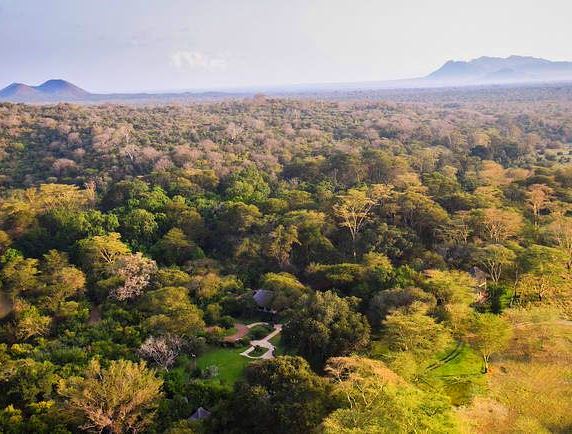
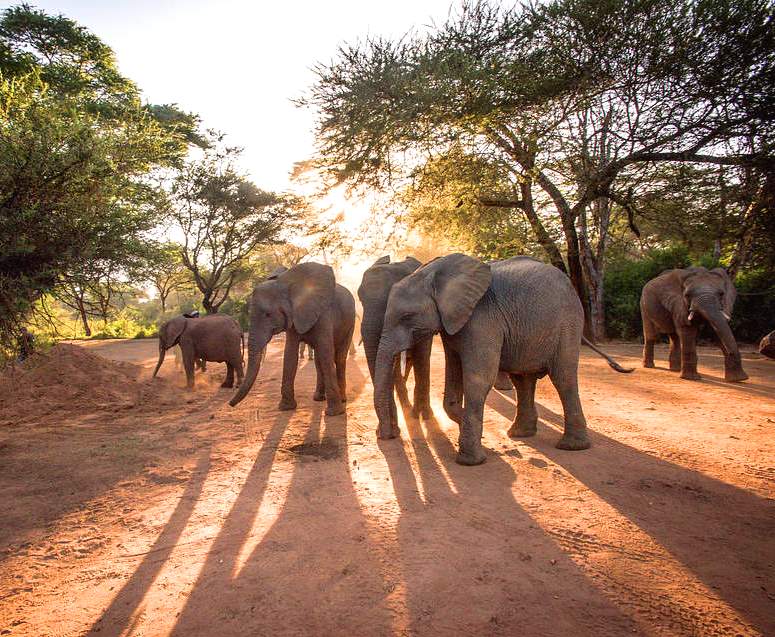
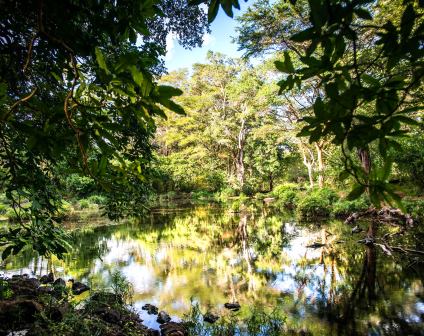
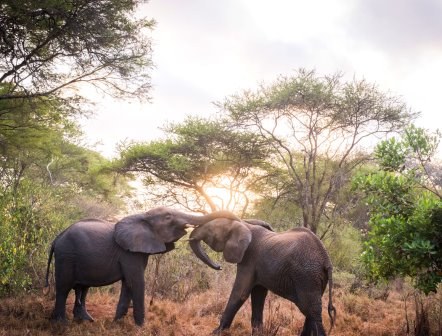
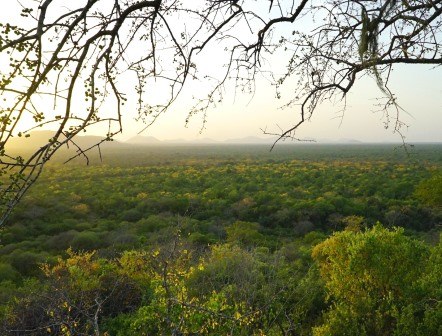
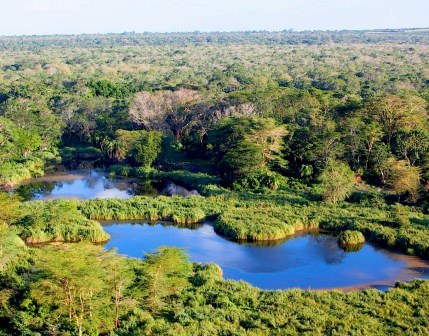
Nestled between the rolling foothills of the Chyulu Hills with the vast plains of the Amboseli ecosystem beyond, and Tsavo Park stretching east, This 72 km2 forest, across from the turnoff into Kibwezi, is contiguous with Chyulu Hills National Park. Kibwezi Forest forms part of Kenya’s rare ground water forests valued greatly for prodigious floral biodiversity and harbouring wildlife – most exemplary of these beings the elephants. This network of springs percolates through the forest floor, serving as a precious life force for all manner of creatures. Based in the luscious surrounds of an ancient 18,000-acres groundwater forest which now forms part of the Chyulu Hills National Park, the forest also provides a habitat for a number of high-minded safari species like leopards, hyenas, buffaloes and bushbucks, serval cats, civets, mongooses and duikers. Of a more recent development, the David Sheldrick Wildlife Trust with concomitant initiative of Kenya Forest Service have undertaken a twenty five years conservation project aimed at conserving Kibwezi Forest. And to encourage sustainable tourism in the forest is the elegant 5-rooms self-catering Umani Springs Camp operated by the David Sheldrick Wildlife Trust.
Kenya’s vast forest reserves are of immeasurable importance in biodiversity conservation, water regulation, and carbon storage. Collectively, these forests, natural and exotic, cover 2008 km2 or about 3.4% of Kenya’s land surface area, and 15% of the most fertile land. They also provide important recreational and ecotourism opportunities for visitors to enjoy Kenya’s natural beauty and wildlife.
图片

Reply