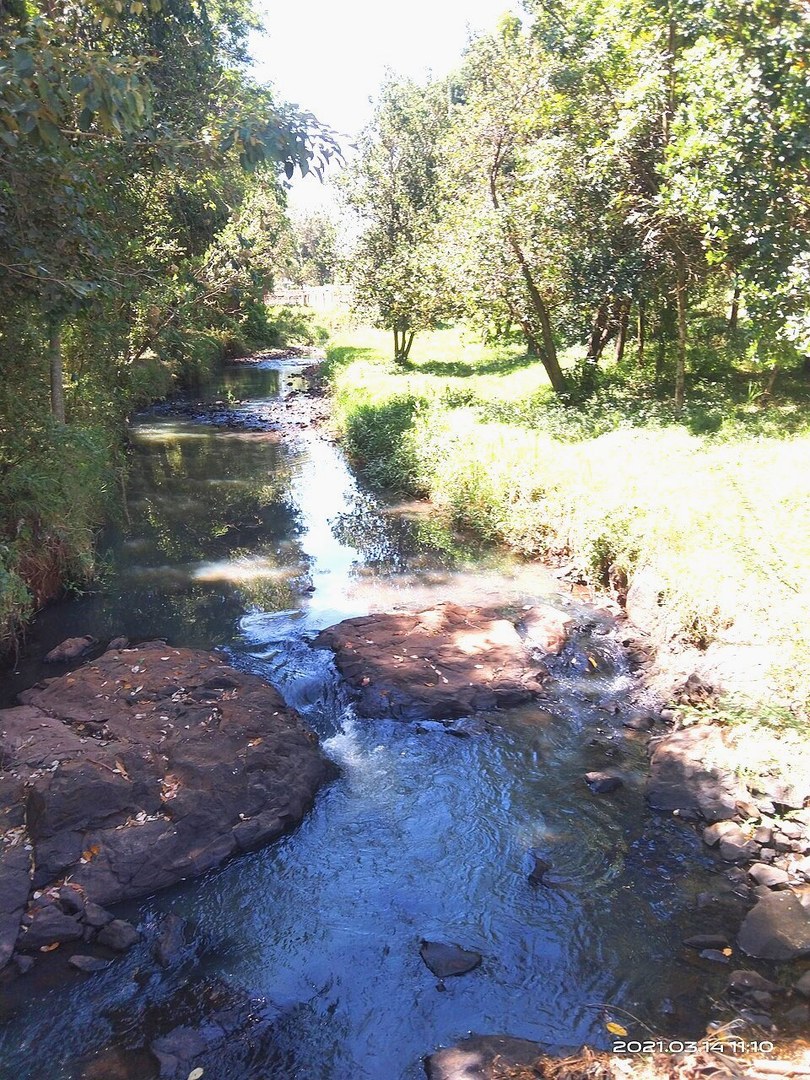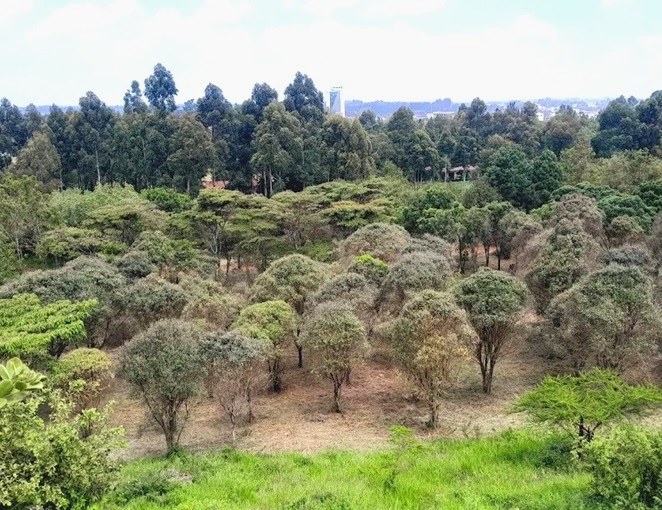
Sabuli Conservancy
Wildlife Conservancies in Wajir Sabuli Wildlife Conservancy: A First in Wajir Established in 2012, in response to the challenges of poaching, human-wildlife conflict, land degradation and rising poverty, Sabuli Wildlife Conservancy covers a conserved area of 191,000 ha in Wajir South. It covers an area stride the border with Garissa with the B9 Isiolo-Habaswein-Wajir Road in the north and the A3 Garissa-Dadaab-Liboi Road in the south. It is 52 km north of Dadaab, the nearest town centre, and 204 km south of Wajir town via B9 Isiolo-Wajir-Mandera Road. One of the main goals of Sabuli Wildlife Conservancy is to provides security to the conservancy’s residents, its wildlife and its visitors. Among the helpful ways it is contributing to its mission goals is by ensuring that the wider community is fully engaged in the conservancy’s activities and management decisions. This has reinforced the direct link between community development and conservation. Likewise, through collaboration, it has sought to promote improved rangeland management and livestock grazing systems by and between the communities. In addition to the human-wildlife conflict, exacerbated by the environmental degradation leading to loss of wildlife habitat, the development of Sabuli Wildlife Conservancy was also stirred up by the influx of refugees and the consequent decline of resources. But not all the challenges could have been envisaged, among these being nature's invasion. The invasion of proposis, disrupting and spreading fast over vast tracts, and which if not managed urgently will impact negatively on the environment, was a concern when starting the conservancy. It is hoped that in near future Sabuli Wildlife Conservancy shall intimately bring in tourism revenues, jobs, markets for communities crafts, and developments for the host community through provision of social infrastructure like motorable roads, water, healthcare services, improved telecommunication, education and security. Kenya has about 110 wildlife conservancies, all promoting the placid co-existence of local people and wildlife in mutual well-being. Improved security, better land management, income, employment and support to community projects have all encouraged the epic rise of conservancies unique attractions and experiences. Index of Wildlife Conservancies in Kenya Baringo County - Kimn'gochoch Conservancy , Irong Conservancy , Ruko Conservancy , Chuine Conservancy , Kaptuya Conservancy , Kabarion Conservancy , Morop Tarambas Community Conservancy , Garissa County - Ishaqbini Hirola Conservancy , Homa Bay County - Gwassi Hills Forest Conservancy , Isiolo County - Biliqo Bulesa Community Conservancy , Leparua Conservancy , Ol Lentille Conservancy , Oldonyiro Conservancy , Nasuulu Community Game Conservancy , Nakuprat Gotu Conservancy , Kajiado County - Rimpa Estate Wildlife Conservancy, Shompole Wildlife Conservancy, Olkirimatian Conservancy, Mount Suswa Conservancy, Sidai Oleng Wildlife Conservancy, Selenkay Conservancy, Kericho County - Chebulu Conservancy , Kilifi County - Kuruwitu Marine Conservancy , Galana Wildlife Conservancy , Kirinyaga County - Ragati Conservancy , Kitui County - Kanyanyoo Conservancy, Laikipia County - Ol Ari Nyiro Conservancy, Loisaba Conservancy, Naibunga Game Conservancy, Ol Lentille Conservancy, Ol Jogi Conservancy, Ol Pejeta Conservancy, Lekurruki Conservancy, Il Ngwesi Conservancy, Lamu County - Kipini Conservancy, Machakos County - The Athi Kapiti Conservancy , Swara Plain Wildlife Conservancy , Makueni County - Kilalinda Conservancy , Marsabit County - Jaldessa Community Conservancy, Shurr Community Conservancy, Songa Conservancy, Melako Conservancy, Mandera County - The Dandu Hills Conservancy, Chachabole Wildlife Conservancy, Rhamu Conservancy, Meru County - Lewa Wildlife Conservancy , Nakuru County - Oserengoni Conservancy, Narok County - The Mara Triangle, Mara North Conservancy, Oloisukut Conservancy, Lemek Conservancy, Olare Motorogi Conservancy, Ol Choro Oiroua Conservancy, Enonkishu Game Conservancy, Pardamat Conservancy, Naibosho Conservancy, Ol Kinyei Conservancy, Ol Derikesi Conservancy, Samburu County - Kalama Conservancy , Westgate Conservancy , Meibai Conservancy , Namunyak Conservancy , Sera Conservancy , Taita Taveta County - Lumo Conservancy , Mbulia Conservancy , The Wushumbu Conservancy, Tana River County - Kipini Conservancy , Ndera East Conservancy , Bura East Conservancy , Vihiga County - Kaimosi Mission Wildlife Conservancy , Wajir County - Sabuli Wildlife Conservancy , Uasin Gishu County - Chebororwa Community Conservancy, Ndalat Hill Conservancy Wajir County offers a unique opportunity to explore a region known for its rich cultural heritage and unique landscapes. Its arid and semi-arid landscapes, including vast plains, rocky outcrops, and seasonal rivers, harbours plenty of wildlife adapted to arid conditions. Wajir County is a region shaped by its cultural heritage, resilience in harsh environments, and the traditions of its pastoralists. You Are Here: Sabuli Wildlife Conservancy Where to Next? Explore Destinations Nearby Sabuli Wildlife Conservancy A Guide to Wajir County A Summa Digest of Wajir About Wajir Way Back When 20 Destinations in Wajir County , arranged as one would visit these - north, west then south - with the aid of narratives, images, strip maps and distance chart: Wajir Oasis Hotel , Lake Yahud , Wagalla Monument , Old Wajir Town , Orahey Wells , Orahey Bunkers , Fort Wajir , Wajir Museum , Wajir War Cemetery , Esspresso Royale , Wajir Livestock Market , Wajir Giraffe Sanctuary , Shaletey Caves , Grosso Griftu , Malabar Hill , Mansa Guda Formation , Sabuli Wildlife Conservancy , Sabena Desert , Lorian Swamp , Habaswein Know More About Wajir County: Its Geography, Land-Use, Highlights, Population, Roads - including a distance chart, Airports, Climate & National Monuments What's The Lay Of The Land In C.08? Wajir is a featureless plain which lies between 150 ms and 460 ms above sea level. The plain rises gently from the south and east towards the north rising from 150 ms at Buna to 460 ms around Bute. What's The Air Like In Wajir? Average mean temperature is 29 o C, with average monthly temperatures rarely going beyond 35 o C. The warmest months are February and March. Rainfall is minimal. Know More About Wajir County…
Source Images
- https://thisiskenyahome.wordpress.com/wp-content/uploads/2024/03/sabuli-wildlife-conservancy.jpg
- https://thisiskenyahome.wordpress.com/wp-content/uploads/2024/03/sabuli-wildlife-conservancy1.jpg
- https://thisiskenyahome.wordpress.com/wp-content/uploads/2024/03/sabuli-wildlife-conservancy2.jpg
- https://thisiskenyahome.wordpress.com/wp-content/uploads/2024/03/sabuli-wildlife-conservancy3.jpg
- https://thisiskenyahome.wordpress.com/wp-content/uploads/2024/03/sabuli-wildlife-conservancy4.jpg
- https://thisiskenyahome.wordpress.com/wp-content/uploads/2023/10/guide-to-conservancies-in-kenya.jpg
- https://abirikenya.com/wp-content/uploads/2024/09/links-2-9.png
- https://abirikenya.com/wp-content/uploads/2024/03/wajir-county-media-updated.jpg?w=1024
- https://abirikenya.com/wp-content/uploads/2024/09/links-2-8.png
- https://thisiskenyahome.wordpress.com/wp-content/uploads/2018/11/pexels-photo-259411.jpeg
- https://thisiskenyahome.wordpress.com/wp-content/uploads/2024/03/wajir-county-distance-chart-1.png?w=800
- https://thisiskenyahome.wordpress.com/wp-content/uploads/2018/11/pexels-photo-7031731.jpeg