
Wasini Ruins(海洋保护 / 海岛体验)
导语
Wasini Ruins(海洋保护 / 海岛体验)位于夸莱县,属于海洋保护 / 海岛体验。页面重点包括The 14th century Arab-style Kongo Mosque, originally known as the Diani Persian Masjid, and also cited as Tiwi Mosque, is thought to be one of the oldest along South Coast,由此展开当地地理、交通、文化和旅行背景。
正文
海洋保护 / 海岛体验(Wasini Ruins)位于夸莱县,可作为了解当地地方目的地的一处入口。它的价值不只在于“到此一游”的景点标签,更在于把夸莱县的地理环境、城市生活、道路节点和地方记忆连接起来。
海洋保护 / 海岛体验最值得关注的是地理位置、到达方式、现场体验和周边可串联内容。对旅行者来说,判断一个地方是否值得停留,关键不只是名称本身,而是它与周边道路、城镇和其他目的地之间的关系。放在一条县域线路中阅读,海洋保护 / 海岛体验会显得更具体,也更容易被纳入实际行程。
从现有资料看,海洋保护 / 海岛体验的吸引力主要来自现场环境和地方背景。它适合用较慢的节奏停留:观察空间本身,理解它与夸莱县城市或乡村生活之间的关系,再结合照片和周边地点形成完整印象。
把海洋保护 / 海岛体验放进肯尼亚旅行语境中,它补足的是主流 safari 线路之外的县域细节。这里呈现的不是单一动物观赏或酒店体验,而是更日常、更具体的地方肯尼亚:城市绿地、社区空间、自然边界、历史痕迹和道路连接共同构成了目的地的真实质感。
因此,海洋保护 / 海岛体验适合作为夸莱县目的地资料中的一页:它帮助读者快速理解这个地点的基本定位,也为规划区域停留、补充现场照片和串联周边路线提供参考。适合希望理解肯尼亚县域目的地的读者,都可以从这里获得一个可靠的起点。
英文原文
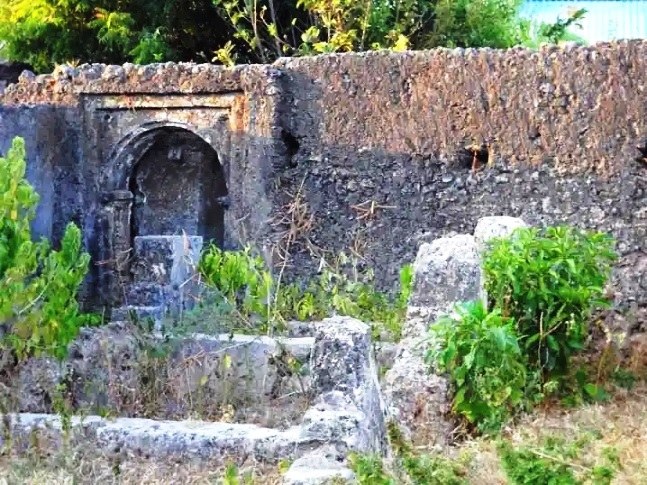
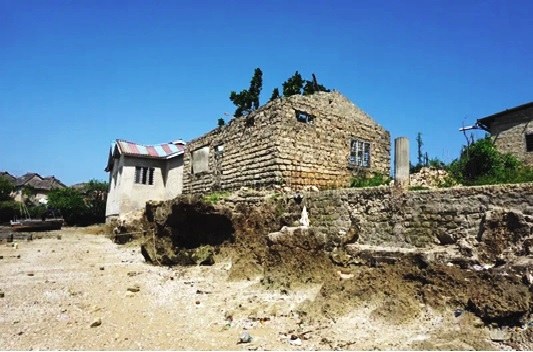
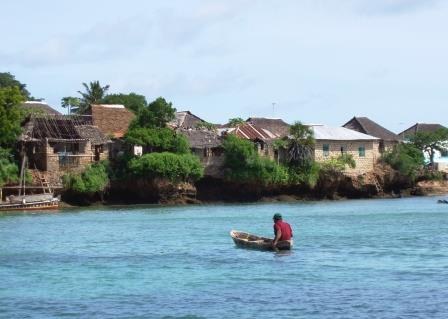
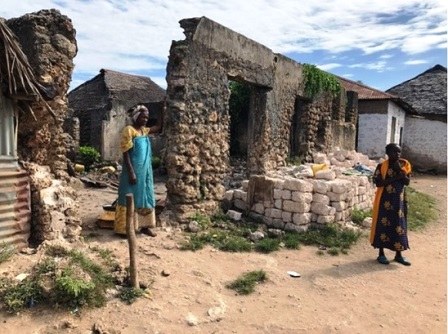
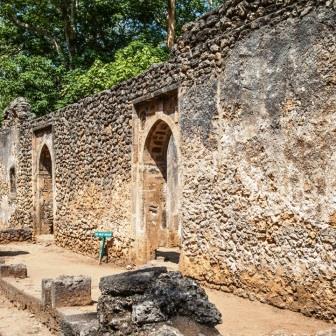
Around the historically-rich Wasini Island are five mosques, three of which are still in use, associated tombs, and the ruins of a few stone houses. Prom west to east the mosques are: Msikiti wa Mira Mwiyuni, Msikiti Mdogo, Msikiti wa Ijumaa, Msikiti wa Kale, and the Msikiti wa Mgodo. The western mosque, Msikiti wa Mira Mwiyuni, was said to have been built by one Mkulu wa Mwenyi Mkuu of the al-Ba Urii family; said to have come from Pate. At the southwest corner of the mosque are six tombs, cited to be those of the Mkulu wa Mwenyi Mkuu and his family.
The eastern mosque, Msikiti wa Mgodo, like Msikiti wa Mira Mwiyuni, is said to have been built by Mkulu wa Mwenyi Mkuu. The other unused mosque at Wasini, Msikiti wa Kale, is now in ruins. It is thought to have been built by the agent of Ahmed bin Muhammad, the Mazrui governor of Mombasa. Msikiti wa Ijumaa was built by Diwan Hasan, the son of Diwan Ruga, and completed in 1161 or 1162. Also of interest, near the seafront, is the grave of Laarus, who is reported to have been considered a wizard and at whose grave the Wadigo were said to pray for rain.
Laarus is remembered in other forums as a religious man, and a leper, to whom people, mostly sailors, would go and ask him to pray for them or their problems. The grave has short pillars on the east and west, with central wall monuments on the side walls and step ends at the corners with conical finials on top on the east end and cylindrical finials on the west. Its facades are decorated with blue and white bowls and plates. At hand there’s a tombstone at a grave that’s dated 1279.
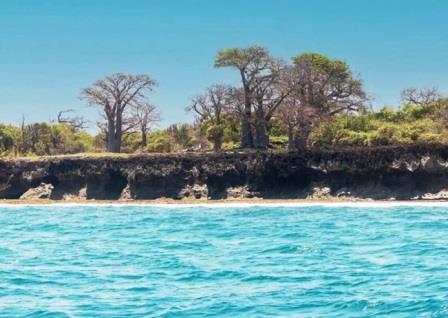
There are dozens of well-studied and accessible historic sites along the Kenya’s Coast. Some of the historic sites located here are composed of the old settlement towns and outlying groups of tombs. North to South, the coast is awash with a collection of ruins, found mainly along the beach, many of them on private lands.
图片

Reply