
Wangu wa Makeri(旺古瓦马凯里)
导语
Wangu wa Makeri(旺古瓦马凯里)位于穆兰加县,属于Agikuyu 文化 / 历史遗产。页面重点包括Wangu wa Makeri was a prominent female leader among the Agikuyu community in colonial Kenya,由此展开当地地理、交通、文化和旅行背景。
正文
旺古瓦马凯里(Wangu wa Makeri)位于穆兰加县,可作为了解当地地方目的地的一处入口。它的价值不只在于“到此一游”的景点标签,更在于把穆兰加县的地理环境、城市生活、道路节点和地方记忆连接起来。
旺古瓦马凯里最值得关注的是地理位置、到达方式、现场体验和周边可串联内容。对旅行者来说,判断一个地方是否值得停留,关键不只是名称本身,而是它与周边道路、城镇和其他目的地之间的关系。放在一条县域线路中阅读,旺古瓦马凯里会显得更具体,也更容易被纳入实际行程。
从现有资料看,旺古瓦马凯里的吸引力主要来自现场环境和地方背景。它适合用较慢的节奏停留:观察空间本身,理解它与穆兰加县城市或乡村生活之间的关系,再结合照片和周边地点形成完整印象。
把旺古瓦马凯里放进肯尼亚旅行语境中,它补足的是主流 safari 线路之外的县域细节。这里呈现的不是单一动物观赏或酒店体验,而是更日常、更具体的地方肯尼亚:城市绿地、社区空间、自然边界、历史痕迹和道路连接共同构成了目的地的真实质感。
因此,旺古瓦马凯里适合作为穆兰加县目的地资料中的一页:它帮助读者快速理解这个地点的基本定位,也为规划区域停留、补充现场照片和串联周边路线提供参考。适合希望理解肯尼亚县域目的地的读者,都可以从这里获得一个可靠的起点。
英文原文
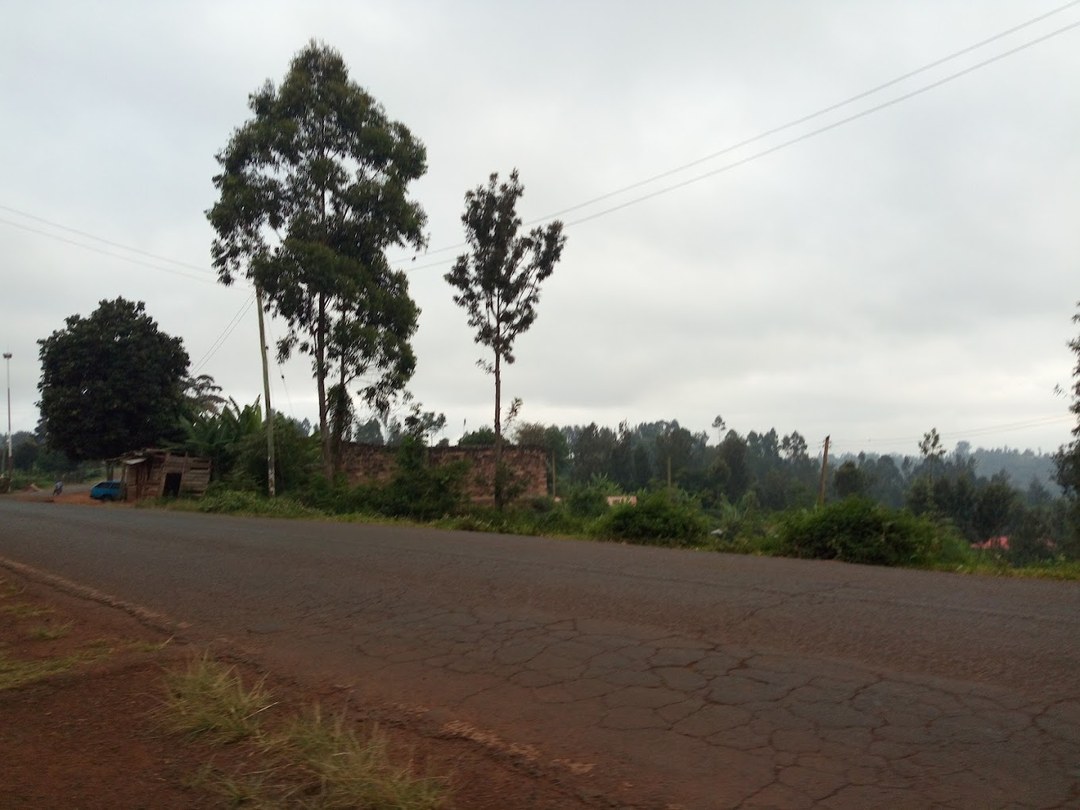
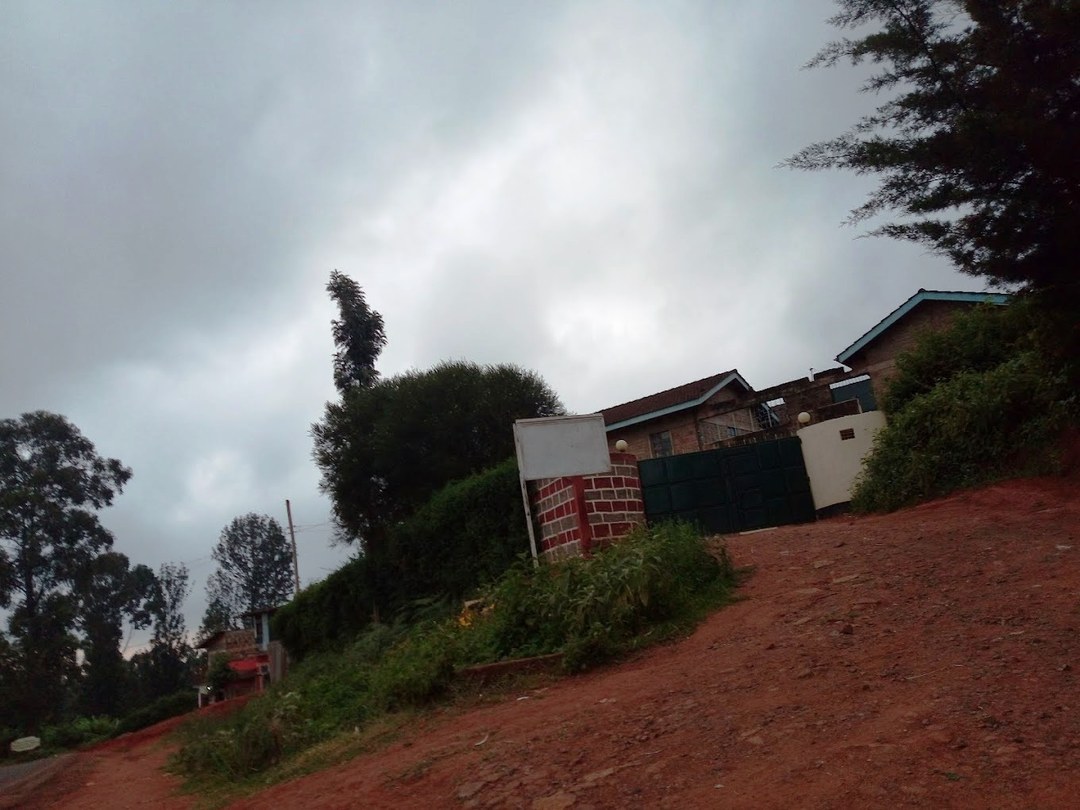
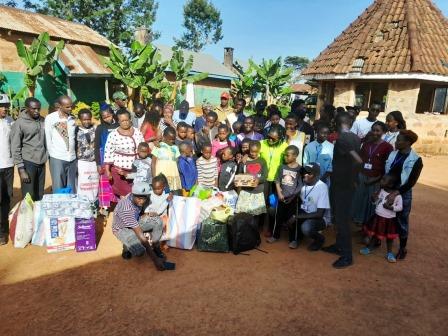
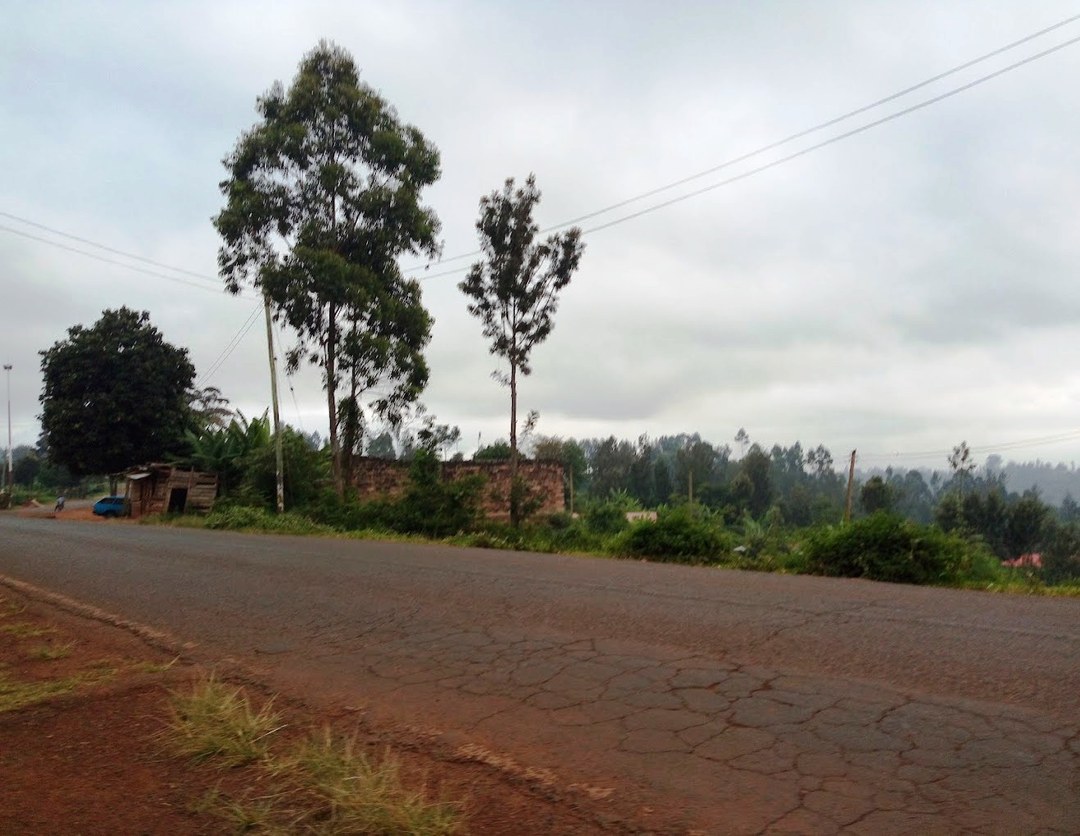
20 km west of Muranga town via C72 Muranga-Kangema Road, across a farming boondocks, shortly before reaching Koimbi Centre, to the side of the road, up a steep exit to a gated homestead is the little-known Koimbi Chirldren’s Home. The only thing that seprates it from all other typical homesteads is a blank signpost that has faded from the battering of the elements. The compound was converted into an orphanage, in 1978, by the defunct Murang’a County Council. Wangu Wa Makeri’s office, which had a strong safe for storing guns, now serves as the site’s administration office. Wangu’s final resting place is located 2 km from the home.
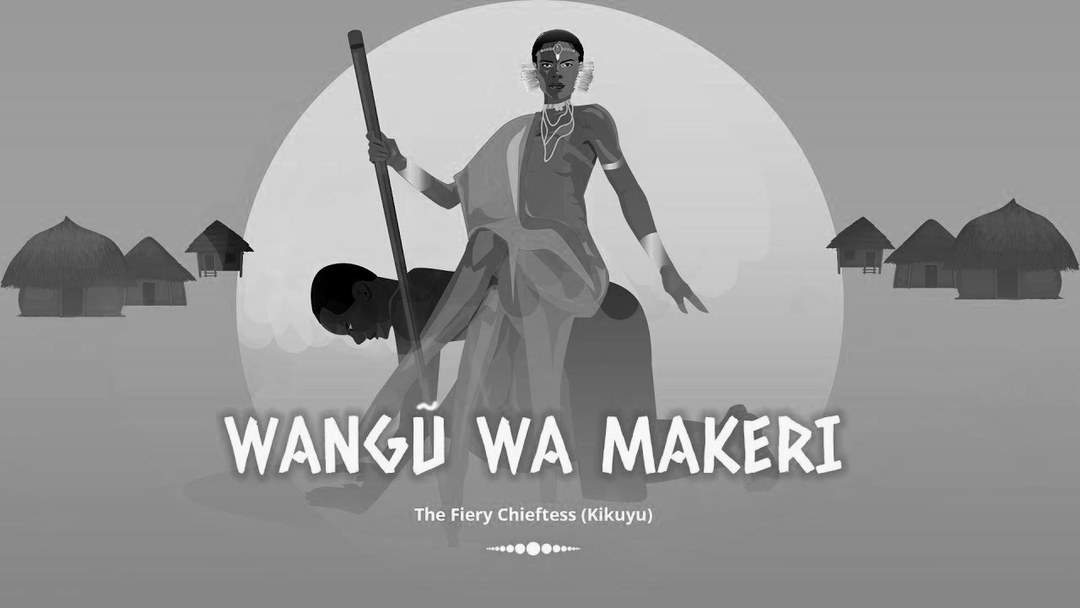
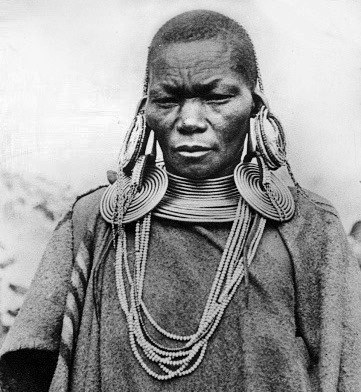
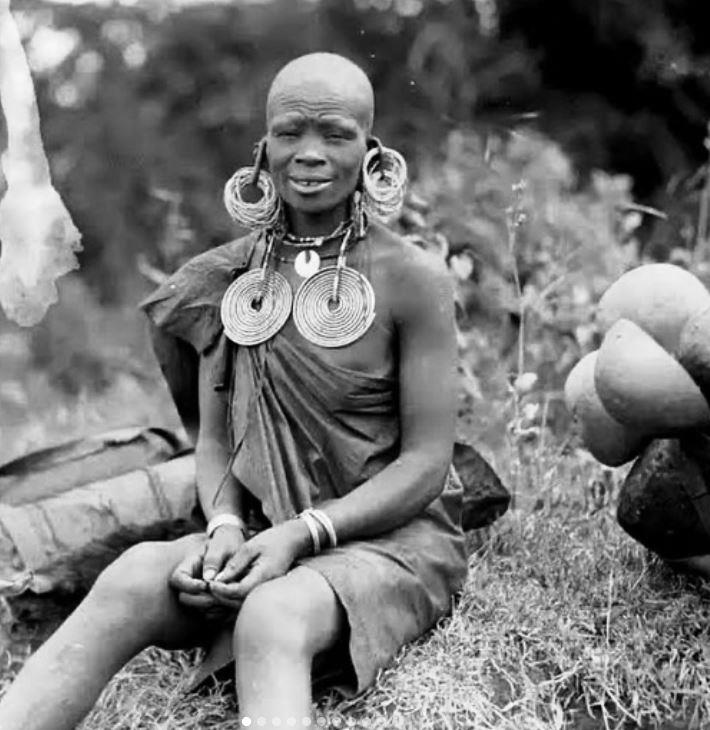
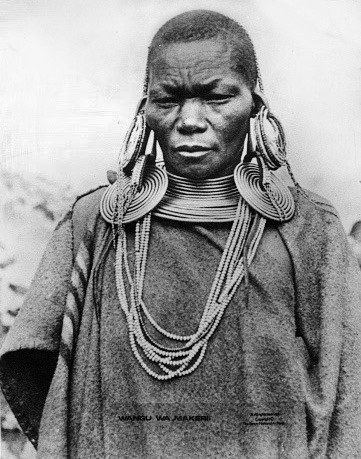
Wangu wa Makeri was a prominent female leader among the Agikuyu community in colonial Kenya, remembered for her unique and controversial role as a chief. She holds a significant place in both Kikuyu folklore and history as one of the few women to hold such a position in a patriarchal society. Her story is a mix of fact and myth, and she remains a symbol of both female leadership and the agony of colonial-era governance. She is memorialized for breaking the gender barrier in Kikuyu leadership, but her emotive reign also serves as a reminder of the intricacy of leadership, power, and gender dynamics during the colonial period in Kenya.
Wangu wa Makeri was born in the late 19th century in what is now Murang’a County. Being from Gikuyu community, which, like most African societies of the time, was patriarchal, with men traditionally holding positions of power, she beat her own path. During the late 19th and early 20th centuries, the British had established control over much of Kenya, including the Kikuyuland. They instituted a system of local governance that relied on local chiefs to enforce colonial policies. Wangu wa Makeri became the first female Kikuyu chief in the early 1900s, appointed by the British colonial administration in then Weithaga village.
Kenya has a rich tapestry of legends and heroes that reflect its diverse cultures and historical narratives. Among these is Mekatilili wa Menza, the lionized Giriama elder and prophetess who led here people on a resistance against British colonial rule in the early 20th century. These legends and heroes highlight the diversity of Kenya’s heritage and the resilience of her people in the face of challenges.
图片
Reply