
Riyadha Mosque(宗教与学术传统)
导语
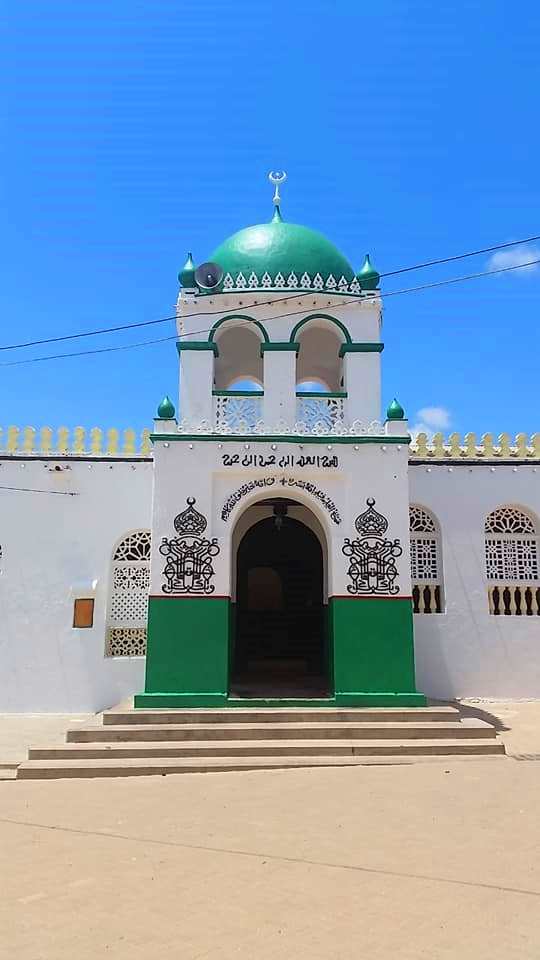
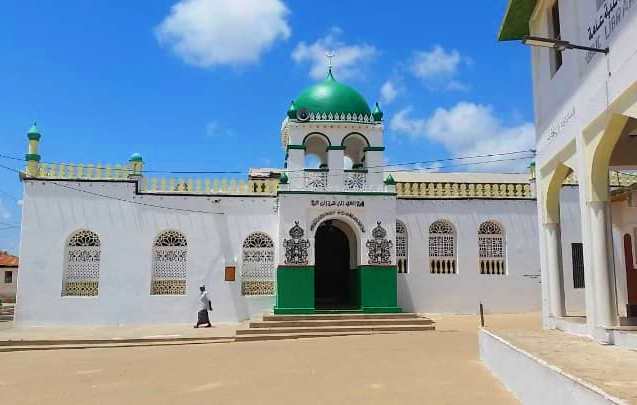
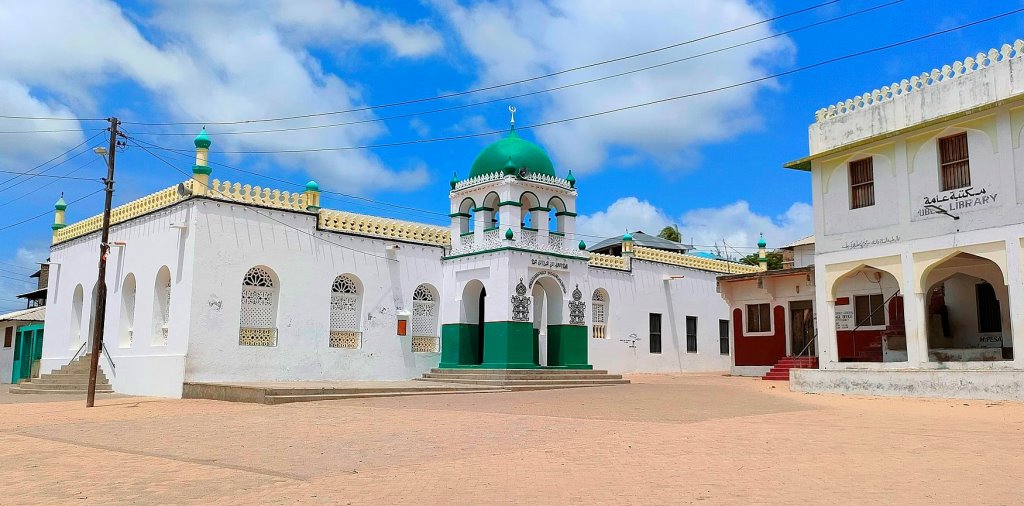
Riyadha Mosque(宗教与学术传统)位于拉穆县,属于宗教与学术传统。页面重点包括The southern side of Lamu Town has a series of celebrated mosques, but none, perhaps, is as important and famous as the Masjid Riyadha, recognizable by its roof-ring of yellow and dash of Islamic-green on its foyer,由此展开当地地理、交通、文化和旅行背景。
正文
宗教与学术传统(Riyadha Mosque)位于拉穆县,可作为了解当地地方目的地的一处入口。它的价值不只在于“到此一游”的景点标签,更在于把拉穆县的地理环境、城市生活、道路节点和地方记忆连接起来。
宗教与学术传统最值得关注的是地理位置、到达方式、现场体验和周边可串联内容。对旅行者来说,判断一个地方是否值得停留,关键不只是名称本身,而是它与周边道路、城镇和其他目的地之间的关系。放在一条县域线路中阅读,宗教与学术传统会显得更具体,也更容易被纳入实际行程。
从现有资料看,宗教与学术传统的吸引力主要来自现场环境和地方背景。它适合用较慢的节奏停留:观察空间本身,理解它与拉穆县城市或乡村生活之间的关系,再结合照片和周边地点形成完整印象。
把宗教与学术传统放进肯尼亚旅行语境中,它补足的是主流 safari 线路之外的县域细节。这里呈现的不是单一动物观赏或酒店体验,而是更日常、更具体的地方肯尼亚:城市绿地、社区空间、自然边界、历史痕迹和道路连接共同构成了目的地的真实质感。
因此,宗教与学术传统适合作为拉穆县目的地资料中的一页:它帮助读者快速理解这个地点的基本定位,也为规划区域停留、补充现场照片和串联周边路线提供参考。适合希望理解肯尼亚县域目的地的读者,都可以从这里获得一个可靠的起点。
英文原文
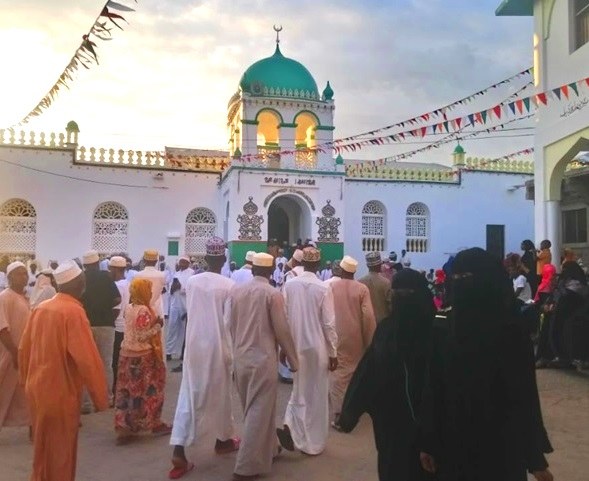
The southern side of Lamu Town has a series of celebrated mosques, but none, perhaps, is as important and famous as the Masjid Riyadha, recognizable by its roof-ring of yellow and dash of Islamic-green on its foyer. The importance of Lamu as a Swahili centre dates back hundreds of years, but it is since the 19th century that its ascendancy as an Islamic centre for Eastern and Central Africa was at full stride. Riyadha’s preeminence, vaunted for the quality of the programming as a religious hub, was put under the limelight by Habib Swaleh, the descendant of the Prophet Mohammed who first visited the island in 1885, from Comoros,
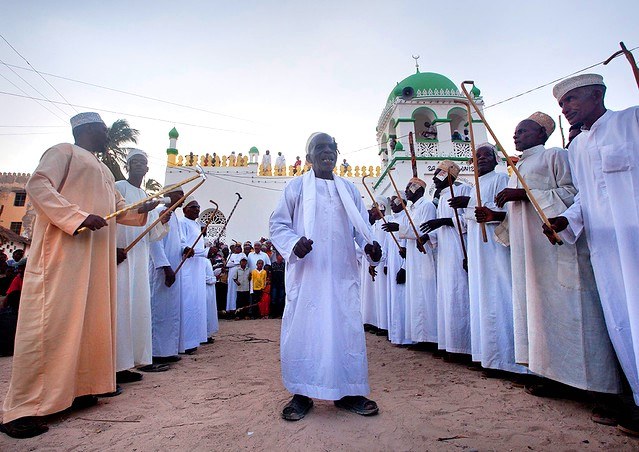
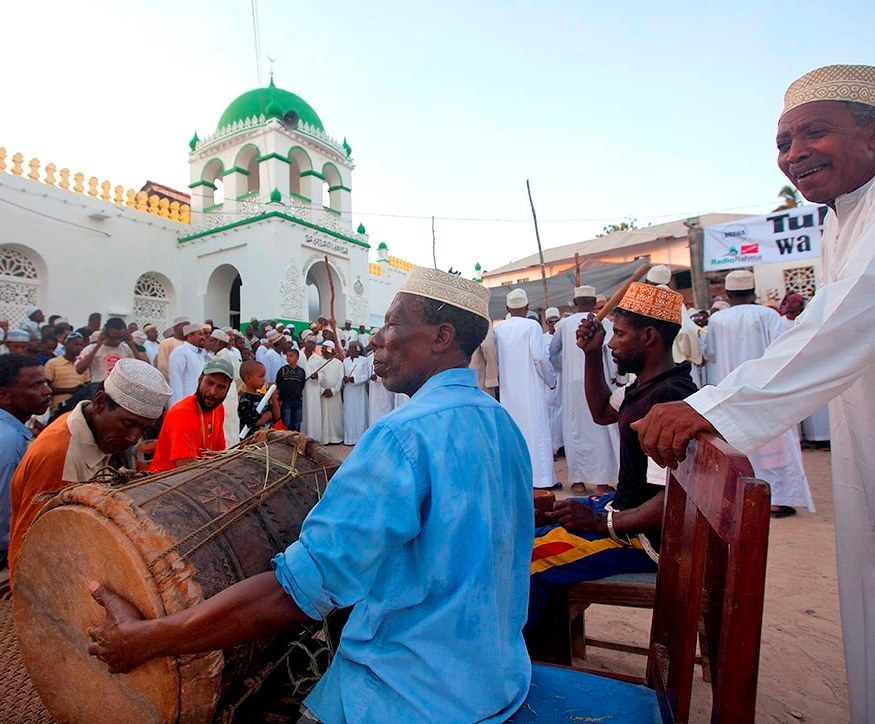
Swaleh helped transform the Islamic faith and engender festivals, notably of the Maulidi Festival held annually in and around the Masjid. Sufism plays a salient role in the elaboration of the Maulidi in the Lamu Archipelago, and contributes to its colourful character. The Lamu Muslim brotherhood, known as Alawiyya, takes the lead in the festival celebrating the birth of the Prophet Muhammad ibn Abdullah, the founder of the world religion of Islam. The events follow the lunar calendar, and are often commemorated on a particular day within the week rather than an actual date. Bringing in visitors to Lamu by the hundreds each year, Maulidi is a popular expression of culture and piety. It emphasizes the rituals which shape the doctrine and analyze the meaning of the festival within the kindred Swahili folk.
Though jazzy, and vibrant in appearance, Maulidi, also known as Milad-un-Nabi, is a complex social phenomenon. Maulidi has many aspects which go beyond the guileless expression of religious faith, to the point of bringing into question the very nature of the dichotomy between the sacred and the profane. Religious manifestation of this heading can be hardly understood in its deepest significance unless it is accordingly subjected to the broadest possible social contexts! For Maulidi Festival celebrations, travellers come from as far away as Bara Tanzania (mainland), Europe, America, Zanzibar, Somalia, and the Saudi Arabian peninsula, as well as from many of the towns and villages along the coast of Kenya.
Taking place every year during the third month of the Muslim calendar (Rabi ul Awwal), it attracts thousands of Muslims from Kenya. The active participants come from the islands of the archipelago like Pate, Faza, Siyu and the Bajuni Islands. During the entire period of the Lamu Maulidi Festival, the Sufis repeatedly use dhikri – repeating the names of God, in a reference that’s not only to the celebration of the birth of the Prophet himself, but also to the celebration of the births of the founding saints of the order. Another aspect of the four-day Maulidi Festival is the culminating in heightened tension between the adherents and those opposed to it is, quite unorthodox, the interrogation of the permissibility of music.
图片
Reply