
Rhodia Mann Museum(Maralal / Samburu 文化)
导语
Rhodia Mann Museum(Maralal / Samburu 文化)位于桑布鲁县,属于Maralal / Samburu 文化。页面重点包括Her books as well as The Rhodia Mann Museum stands as a testament to her lifelong dedication to preserving and celebrating the heritage of the Samburu people,由此展开当地地理、交通、文化和旅行背景。
正文
Maralal / Samburu 文化(Rhodia Mann Museum)位于桑布鲁县,可作为了解当地人文地点的一处入口。它的价值不只在于“到此一游”的景点标签,更在于把桑布鲁县的地理环境、城市生活、道路节点和地方记忆连接起来。
Maralal / Samburu 文化最值得关注的是历史背景、社区记忆、文化线索和现场参观方式。对旅行者来说,判断一个地方是否值得停留,关键不只是名称本身,而是它与周边道路、城镇和其他目的地之间的关系。放在一条县域线路中阅读,Maralal / Samburu 文化会显得更具体,也更容易被纳入实际行程。
从现有资料看,Maralal / Samburu 文化的吸引力主要来自现场环境和地方背景。它适合用较慢的节奏停留:观察空间本身,理解它与桑布鲁县城市或乡村生活之间的关系,再结合照片和周边地点形成完整印象。
把Maralal / Samburu 文化放进肯尼亚旅行语境中,它补足的是主流 safari 线路之外的县域细节。这里呈现的不是单一动物观赏或酒店体验,而是更日常、更具体的地方肯尼亚:城市绿地、社区空间、自然边界、历史痕迹和道路连接共同构成了目的地的真实质感。
因此,Maralal / Samburu 文化适合作为桑布鲁县目的地资料中的一页:它帮助读者快速理解这个地点的基本定位,也为规划区域停留、补充现场照片和串联周边路线提供参考。适合关注地方历史、人文旅行和肯尼亚区域文化的读者,都可以从这里获得一个可靠的起点。
英文原文
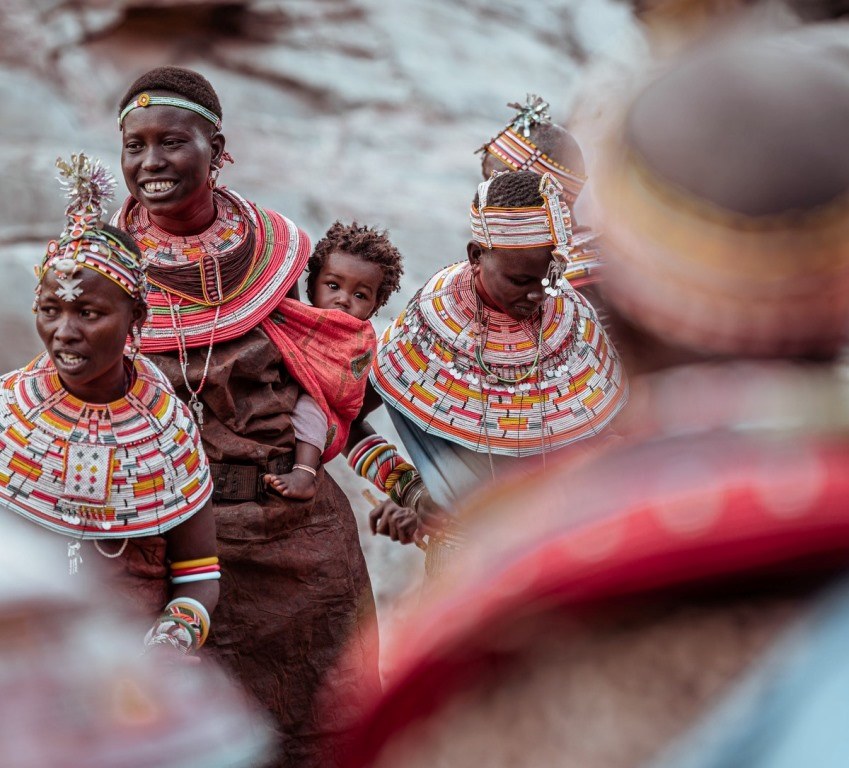
Rhodia Mann’s book ‘Talk to the Stars: The Samburu of Northern Kenya’ is the result of a quest to understand and record Samburu culture before it disappears. The text is full of both physical fact and intriguing information, giving insight into this culture in immersive photographs capturing rituals and portraits. Mann is also the penman of ‘Hawecha: A Woman for All Time’ and ‘African Masters & Mystery Schools’. Her books as well as the Rhodia Mann Museum stands as a testament to her lifelong dedication to preserving and celebrating the heritage of the Samburu people. Beyond her six books, Mann is also the producer of ‘The Butterfly People’.
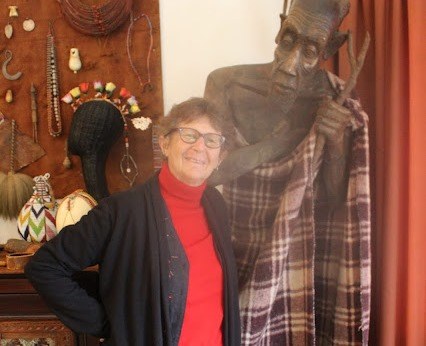
Born and raised in Kenya, Rhodia Mann, the author, photographer, and cultural historian with deep ties to Kenya, notably of the Samburu, has documented and shared her epic work through photography. Along with her brother and sister, Mann grew up in Nairobi while her parents worked with the government of the day. Her father, Igor, was a veterinarian and her mother, Erica, was an architect. Her childhood in Nairobi was filled with artists, writers, and intellectuals from all over the world. Founding a safari company and forging close ties with Samburu families, Rhodia, for years, became a beacon of knowledge on Samburu history and culture, earning recognition as a Fellow of the Royal Geographical Society.
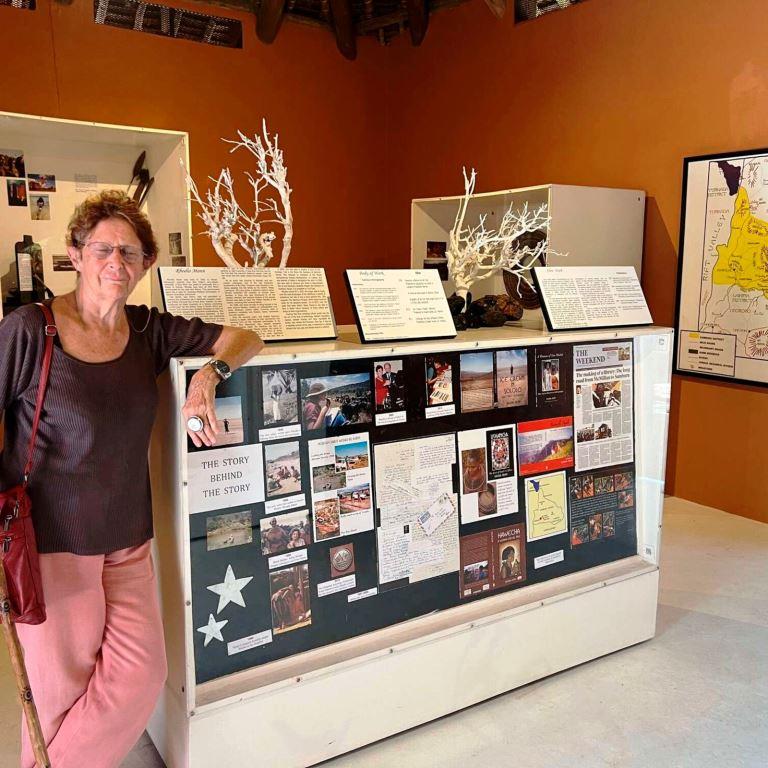
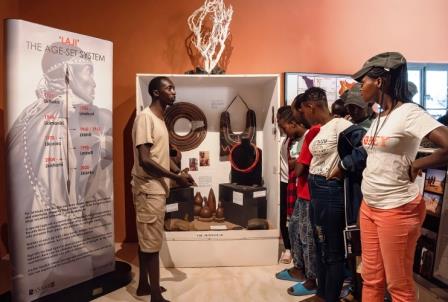
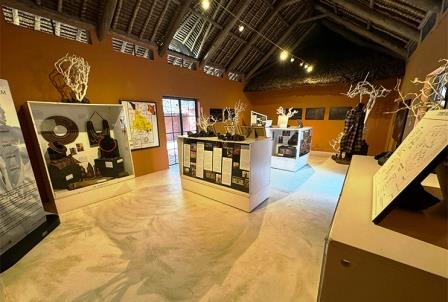
At Rhodia Mann Museum, visitors are greeted by over 50 meticulously curated Samburu artefacts across six different displays. From ceremonial spears and clay sculptures to everyday household items like a century-old tea strainer found in Maralal, each piece tells a story of resilience and cultural vibrancy. The repatriated artefacts at the Rhodia Mann Museum about Samburu Culture at Saasab in West Gate Wildlife Conservancy captures the customs, history, and artistry of Kenya’s indigenous communities, primarily focusing on oral histories and personal stories: Everything came from the Samburu and returning them is like a full circle of what I have done for many years. Why Saasab? There is no national or county museum in Samburu, so patnering with The Safari Collection made its a suitable repository.
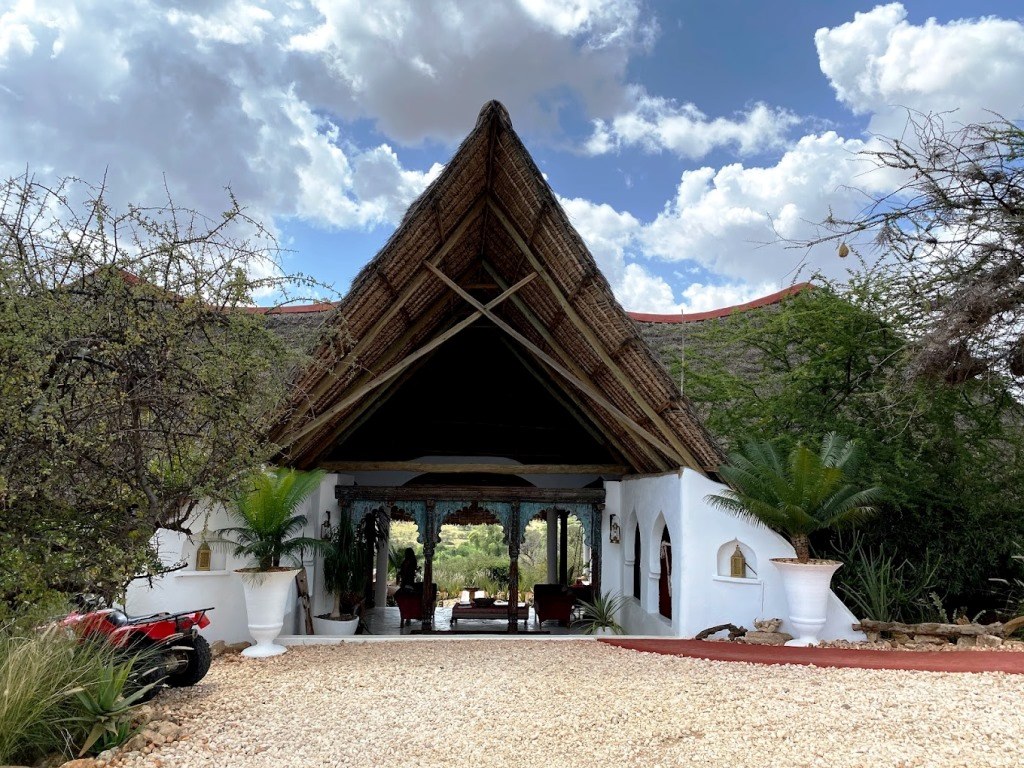
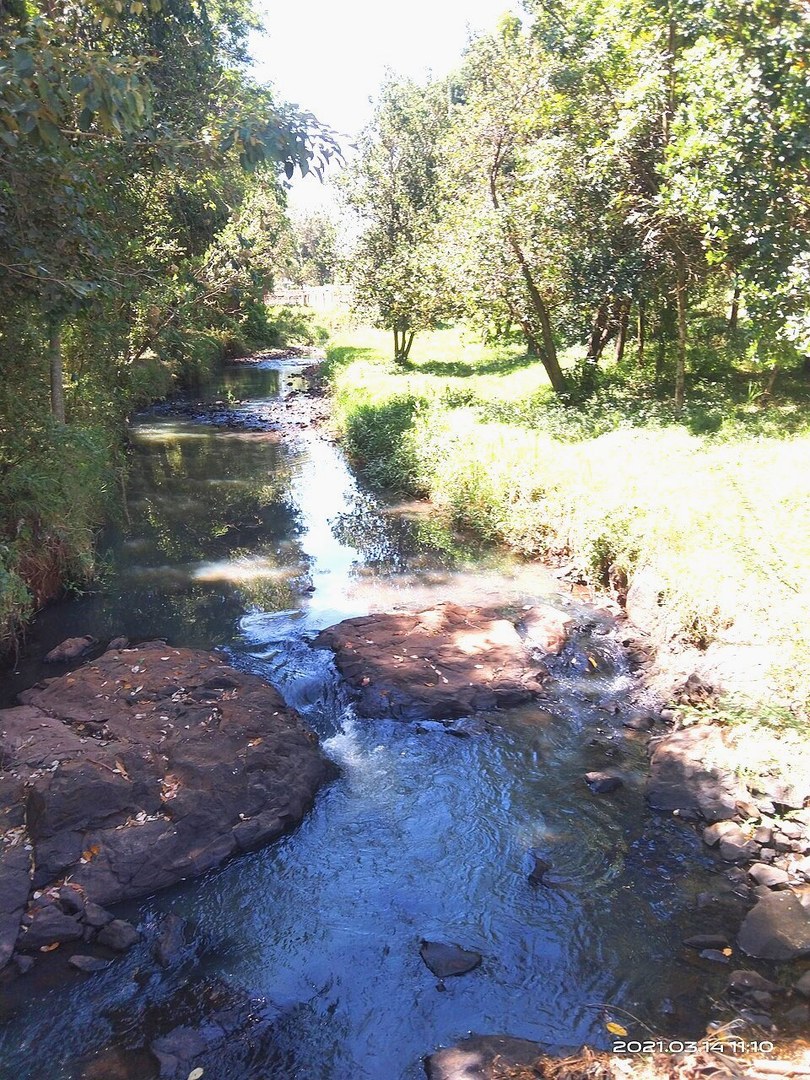
Perched on the edge of a river valley, the trim architecture of the luxury Sasaab Samburu Lodge in Westgate Conservancy blends Swahili and Moroccan design principals in which the African heat is of primary consideration. Each of the eleven canvas-sided rooms is over 100m2 with private plunge pools and breath-taking views across the Laikipia Plateau toward the jagged peaks of Mount Kenya. Its position above the river naturally facilitates watching the herds of elephant that come to bathe below as well as a host of other wildlife. Nestled in the heart of northern Kenya at Sasaab , resides a treasure trove that speaks volumes about the tapestry of Samburu culture. Rhodia Mann Museum was completed in May 2024.
图片
Reply