
Old Town Vanga(县域目的地)
导语
Old Town Vanga(县域目的地)位于夸莱县,属于县域目的地。页面重点包括Old Town Vanga is by no means a popular circuit, its isolation a reason, of course, in spite of its rich history,由此展开当地地理、交通、文化和旅行背景。
正文
县域目的地(Old Town Vanga)位于夸莱县,可作为了解当地地方目的地的一处入口。它的价值不只在于“到此一游”的景点标签,更在于把夸莱县的地理环境、城市生活、道路节点和地方记忆连接起来。
县域目的地最值得关注的是地理位置、到达方式、现场体验和周边可串联内容。对旅行者来说,判断一个地方是否值得停留,关键不只是名称本身,而是它与周边道路、城镇和其他目的地之间的关系。放在一条县域线路中阅读,县域目的地会显得更具体,也更容易被纳入实际行程。
从现有资料看,县域目的地的吸引力主要来自现场环境和地方背景。它适合用较慢的节奏停留:观察空间本身,理解它与夸莱县城市或乡村生活之间的关系,再结合照片和周边地点形成完整印象。
把县域目的地放进肯尼亚旅行语境中,它补足的是主流 safari 线路之外的县域细节。这里呈现的不是单一动物观赏或酒店体验,而是更日常、更具体的地方肯尼亚:城市绿地、社区空间、自然边界、历史痕迹和道路连接共同构成了目的地的真实质感。
因此,县域目的地适合作为夸莱县目的地资料中的一页:它帮助读者快速理解这个地点的基本定位,也为规划区域停留、补充现场照片和串联周边路线提供参考。适合希望理解肯尼亚县域目的地的读者,都可以从这里获得一个可靠的起点。
英文原文
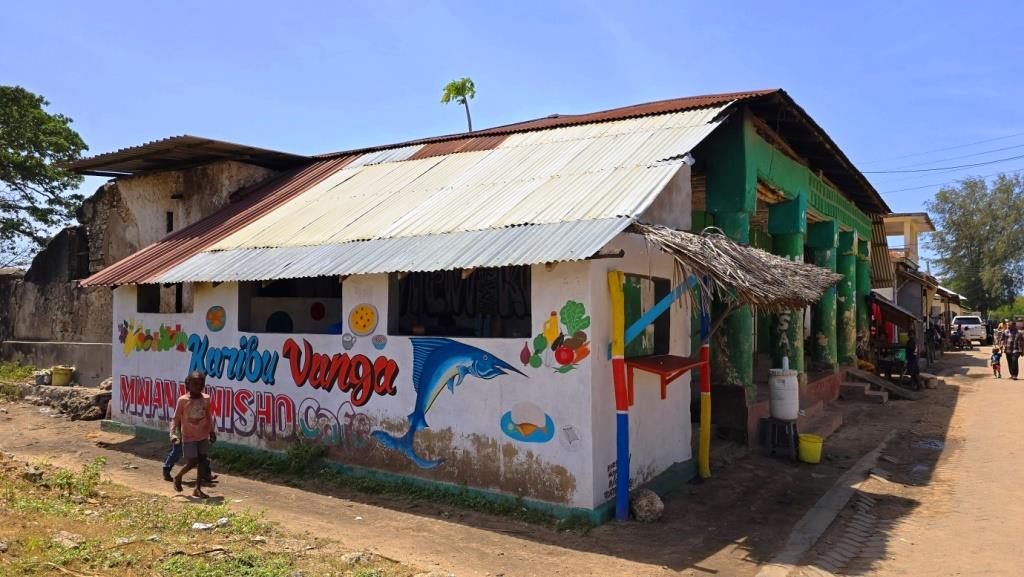
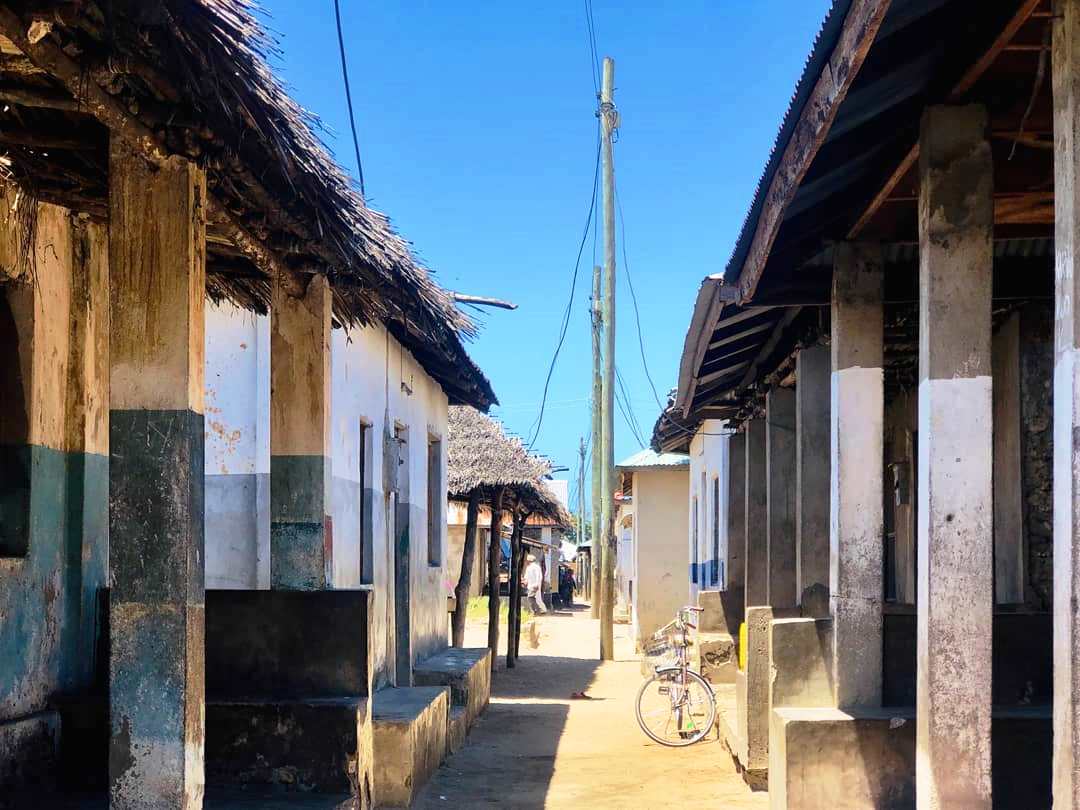
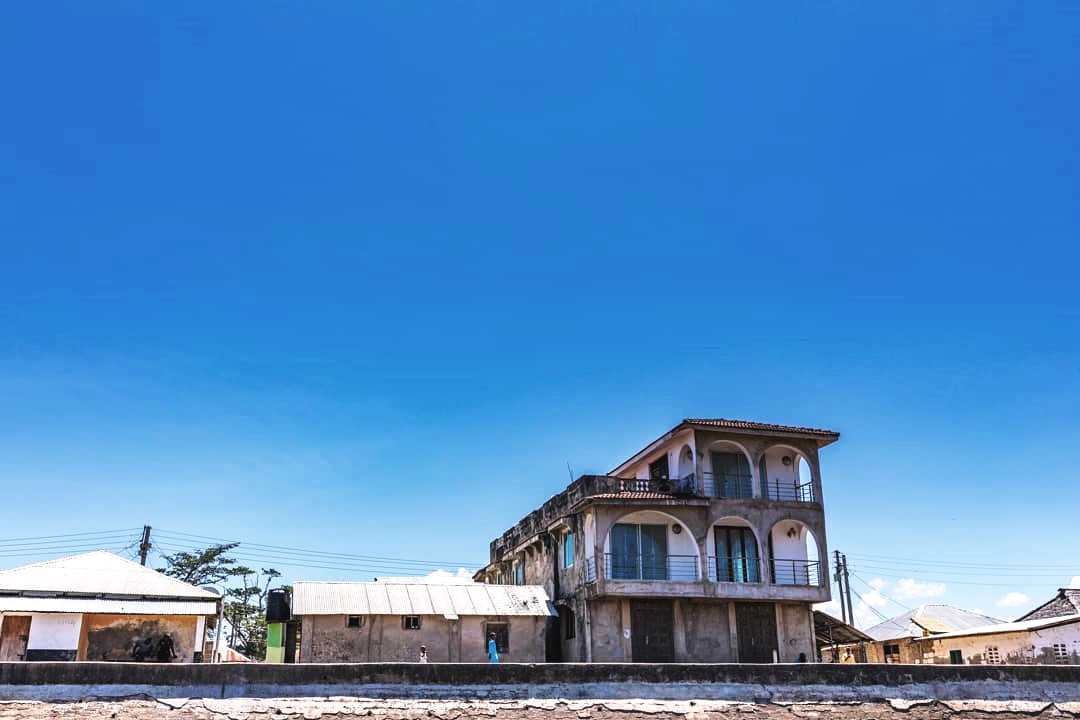
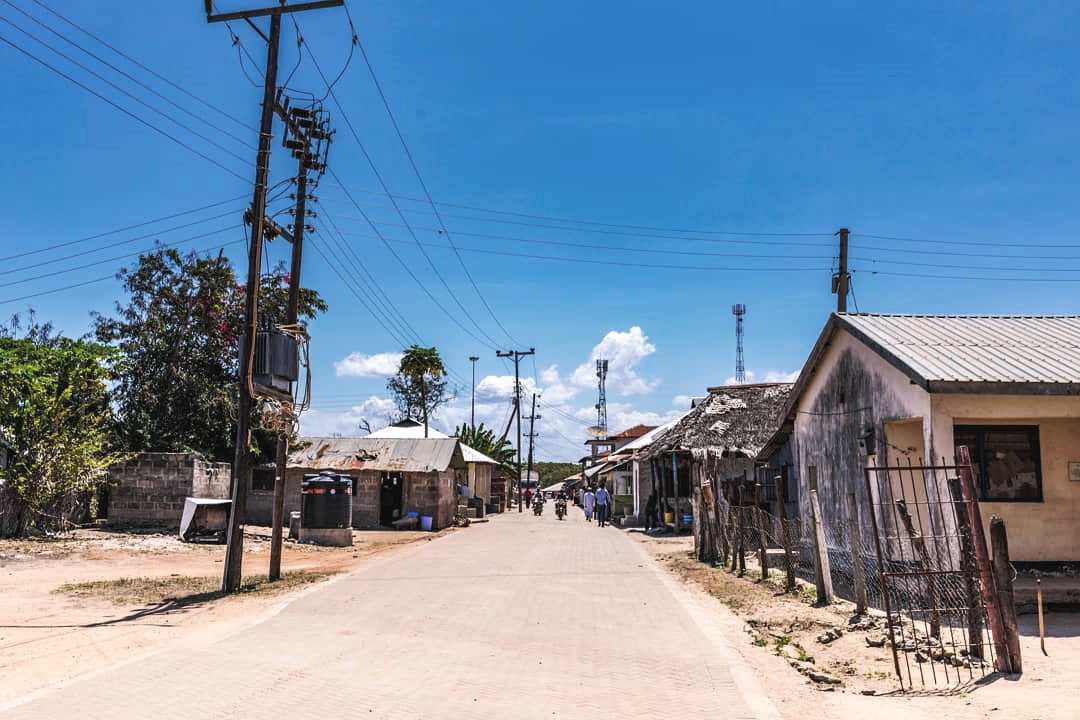
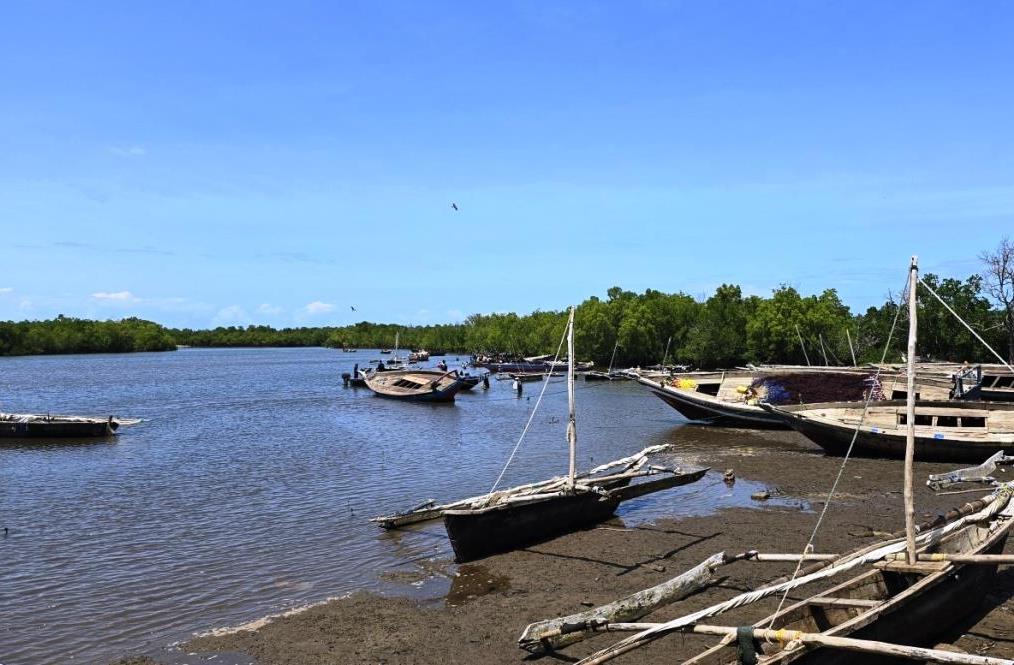
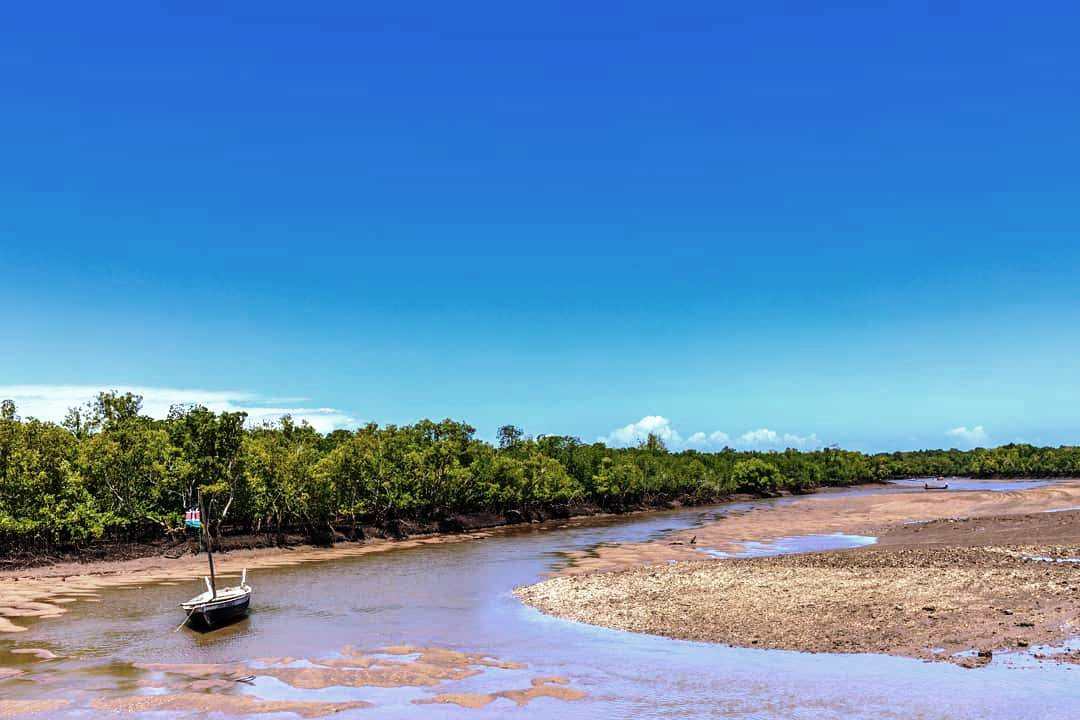
18 km south of Lunga Lunga lies Vanga, a modest fishing village of mostly mud and thatch houses being gradually superseded by brick builds with iron sheet roofing, set along a series of north-south streets. It sits at the water’s edge with access to the Indian Ocean through a wide channel that’s flanked by mangroves. Of a recent development, the reconstruction and extension of its seawall was done in 2016.
Vanga is by no means a popular circuit, its isolation a reason, of course, in spite of its rich history. It is very interesting, but maybe not unusual, that historical writing on Kenya’s coast tends to follow the same trajectory, of early European traders, confined to the major hubs like Mombasa and Malindi, leaving us with a narrow view of the history and its people. Important contributions, such as in Vanga and Vumba Kuu, are summarily neglected. Contrary to expectation, Vanga is a trove of ancient ruins. Small tombs are scattered throughout, one of these having a pillar about 2 ms high, with the base of a 19th century European ceramic mug on top.
As the southern gateway to the Sultan of Zanzibar’s “ten mile strip”, with Lamu at the opposite end, Vanga was a center of interest as far back as 1821 when Sheikh Diwan moved there from Wasini. Other intricate ruins include those left over from the British era. The British influence can be seen in different places along Kenya’s coast; remains of key builds are still seen at Vanga; as a testimony of the nexus between different peoples of vast backgrounds and, at the moment, represent a heritage in danger that ought to be preserved and be granted a new lease of life.
Vanga was first settled by the Vumba from Wasini in the early 19th century, as a seasonal farming village. Low lying land near the mouth of Umba River made the area particularly suitable for irrigation, farming rice from 1825. In a trice Vanga began trading, at first with the Digo, then later, with their association with the Segeju, on caravans that were travelling inland by 1825 where supplies of ivory were known to be plenty. Unsurprisingly, it attracted a cosmopolitan mixture of temporary and permanent immigrants, among them their next door kinsfolk: the Shirazi, the Segeju and the Digo. Vanga’s progress continued with the capture of Kenya’s coast by Busaidi Arabs in 1837, encouraging Muslim immigration, and in the years leading up to 1865 promoted islamization. The new towns of Takaungu and Gazi had also begun to engender Mijikenda settlers and Muslim immigrants.
图片

Reply