
Mumoni Hill Forest Reserve(穆莫尼山森林保护区)
导语
Mumoni Hill Forest Reserve(穆莫尼山森林保护区)位于基图伊县,属于岩石山地 / 观景地貌。页面重点包括Mumoni Hill Forest Reserve is located in the northwest edge of Kitui County within touching distance of the southern boundary with Tharaka Nithi County,由此展开当地地理、交通、文化和旅行背景。
正文
穆莫尼山森林保护区(Mumoni Hill Forest Reserve)位于基图伊县,可作为了解当地自然空间的一处入口。它的价值不只在于“到此一游”的景点标签,更在于把基图伊县的地理环境、城市生活、道路节点和地方记忆连接起来。
穆莫尼山森林保护区最值得关注的是生态环境、植被景观、城市绿地价值和现场游览体验。对旅行者来说,判断一个地方是否值得停留,关键不只是名称本身,而是它与周边道路、城镇和其他目的地之间的关系。放在一条县域线路中阅读,穆莫尼山森林保护区会显得更具体,也更容易被纳入实际行程。
从现有资料看,穆莫尼山森林保护区的吸引力主要来自现场环境和地方背景。它适合用较慢的节奏停留:观察空间本身,理解它与基图伊县城市或乡村生活之间的关系,再结合照片和周边地点形成完整印象。
把穆莫尼山森林保护区放进肯尼亚旅行语境中,它补足的是主流 safari 线路之外的县域细节。这里呈现的不是单一动物观赏或酒店体验,而是更日常、更具体的地方肯尼亚:城市绿地、社区空间、自然边界、历史痕迹和道路连接共同构成了目的地的真实质感。
因此,穆莫尼山森林保护区适合作为基图伊县目的地资料中的一页:它帮助读者快速理解这个地点的基本定位,也为规划区域停留、补充现场照片和串联周边路线提供参考。适合关注自然观察、轻徒步、亲子活动和地方生态教育的读者,都可以从这里获得一个可靠的起点。
英文原文
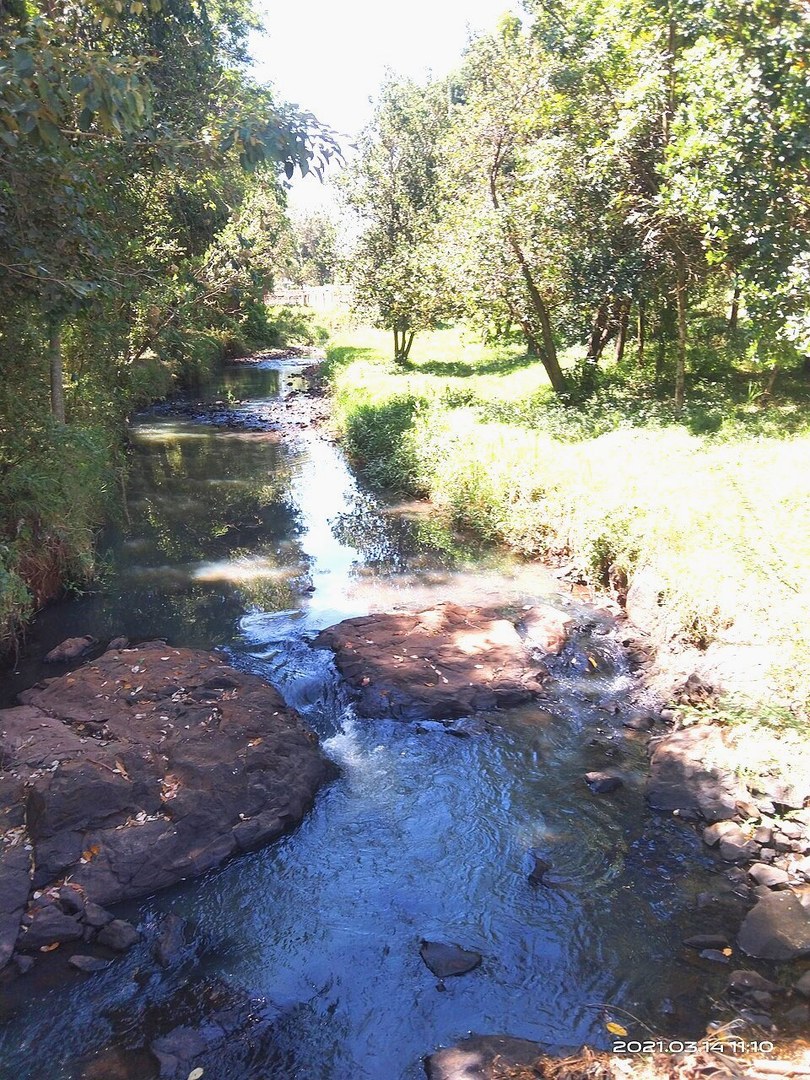
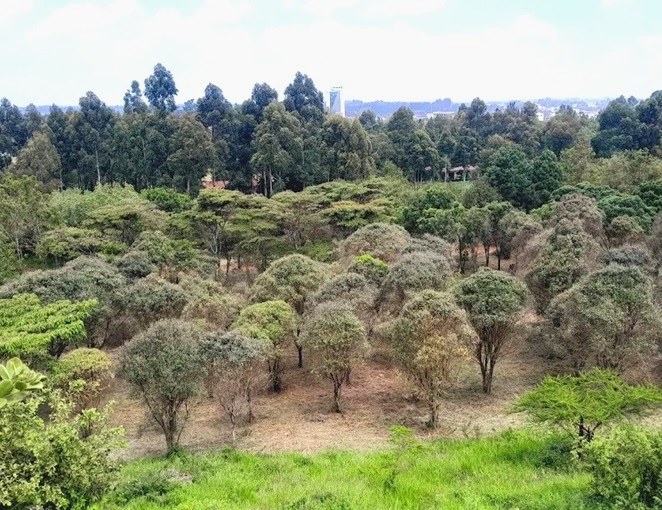
This is located in the northwest edge of Kitui County within touching distance of the southern boundary with Tharaka Nithi County. A prominent natural landmark pearing over the otherwise flatter plains, Mumoni Hill Forest Reserve is reached 64 km north of Mwingi Town along the C93 Mwingi to Kathwana Road at Katse. Emerging as a wooded inselberg, rising 1810 ms (6000 ft) and 700 ms from the surrounding arid scrub land plains, Mumoni Hill is separated to the north from Kijegge Forest Reserve in Tharaka Nithi by the broad valley cut through by Tana River, which lower down is dammed to carve out Kiambere Dam, completed in 1987, along the border between Embu and Kitui as part of the Seven Forks Dam.
Mumoni Hill forms the larger arc of the 104 km2 Mumoni Forest Reserve alongside Muvoria Hill Forest Reserve set in its immediate south. Both these hillscapes were gazetted in 1993 as a forest reserve owing to their importance as a water tower for the densely populated Mwingi North region. For tourism, Mumoni Hill is a walkers and bird-watchers wild haven where colourful birds like raptors, hindes babbler, palied harrier, Somali biome and martial eagles are regularly spotted. Although still underdeveloped, the reserve is crisscrossed by a vast network of pathways from which nature-lovers can appreciate its rich floral and avi-faunal beauty as well as its fetching mountain scenery. 375 plant species were identified in 2006.
Kenya’s vast forest reserves are of immeasurable importance in biodiversity conservation, water regulation, and carbon storage. Collectively, these forests, natural and exotic, cover 2008 km2 or about 3.4% of Kenya’s land surface area, and 15% of the most fertile land. They also provide important recreational and ecotourism opportunities for visitors to enjoy Kenya’s natural beauty and wildlife.

Reply