
Mazrui Graveyard(历史遗产 / 博物馆)
导语
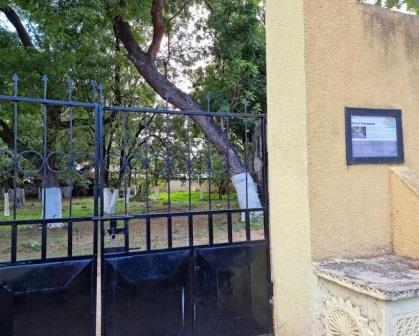
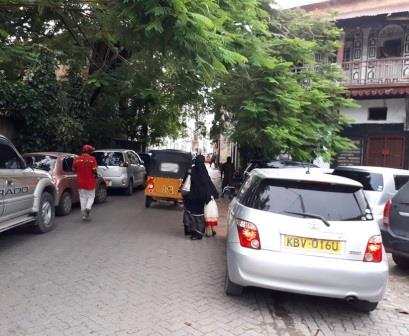
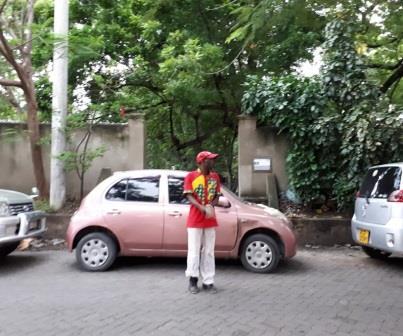
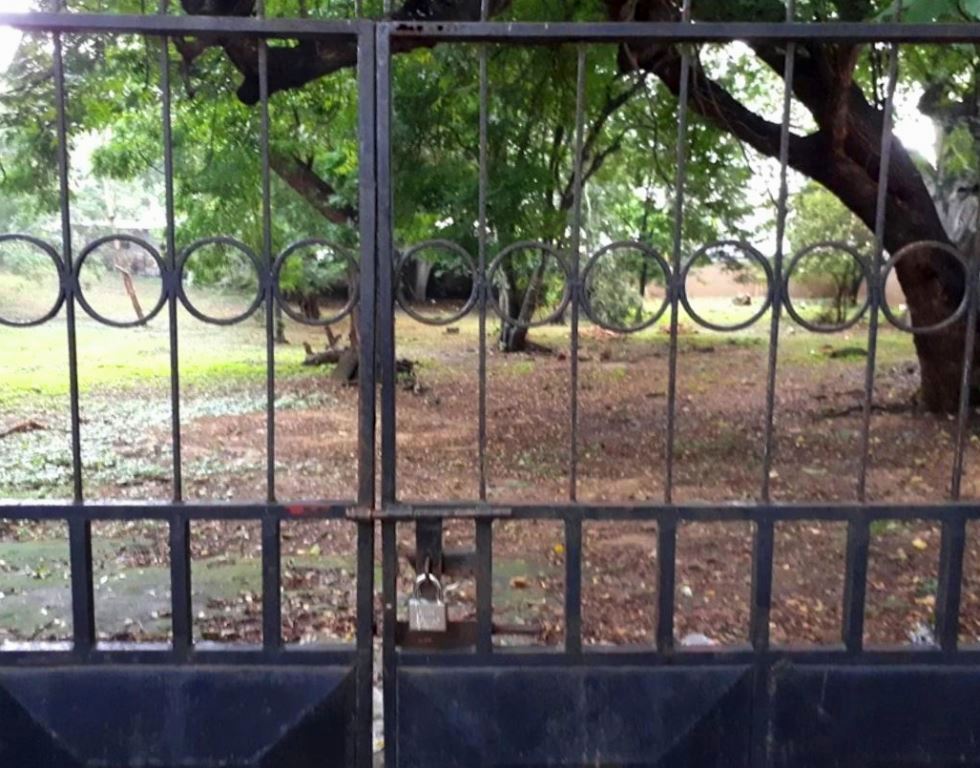
Mazrui Graveyard(历史遗产 / 博物馆)位于蒙巴萨,属于历史遗产 / 博物馆。页面重点包括The Mazrui Cemetery is found at the corner of Ndia Kuu and Nkurumah Roads with its gate locked with a padlock set back to the right hand side. It belongs to the Mazrui family,由此展开当地地理、交通、文化和旅行背景。
正文
历史遗产 / 博物馆(Mazrui Graveyard)位于蒙巴萨,可作为了解当地人文地点的一处入口。它的价值不只在于“到此一游”的景点标签,更在于把蒙巴萨的地理环境、城市生活、道路节点和地方记忆连接起来。
历史遗产 / 博物馆最值得关注的是历史背景、社区记忆、文化线索和现场参观方式。对旅行者来说,判断一个地方是否值得停留,关键不只是名称本身,而是它与周边道路、城镇和其他目的地之间的关系。放在一条县域线路中阅读,历史遗产 / 博物馆会显得更具体,也更容易被纳入实际行程。
从现有资料看,历史遗产 / 博物馆的吸引力主要来自现场环境和地方背景。它适合用较慢的节奏停留:观察空间本身,理解它与蒙巴萨城市或乡村生活之间的关系,再结合照片和周边地点形成完整印象。
把历史遗产 / 博物馆放进肯尼亚旅行语境中,它补足的是主流 safari 线路之外的县域细节。这里呈现的不是单一动物观赏或酒店体验,而是更日常、更具体的地方肯尼亚:城市绿地、社区空间、自然边界、历史痕迹和道路连接共同构成了目的地的真实质感。
因此,历史遗产 / 博物馆适合作为蒙巴萨目的地资料中的一页:它帮助读者快速理解这个地点的基本定位,也为规划区域停留、补充现场照片和串联周边路线提供参考。适合关注地方历史、人文旅行和肯尼亚区域文化的读者,都可以从这里获得一个可靠的起点。
英文原文
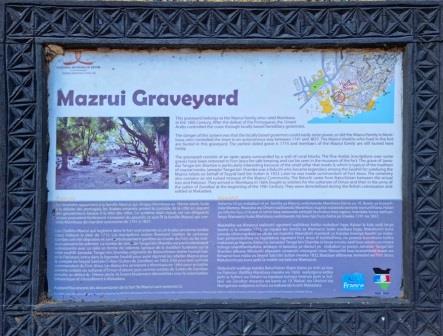
The Mazrui Cemetery is found at the corner of Ndia Kuu and Nkurumah Roads with its gate locked with a padlock set back to the right hand side. It belongs to the Mazrui family, native to the Rustaq region of Oman, who ruled Mombasa in the 18 th century. In 1698, after the Portuguese were ousted from power by Omani Arabs, a member of the Mazrui family was appointed as governor for Mombasa.
Though at first just governors, soon the Mazrui became practically independent. Between the end of the Shirazi dynasty and the beginning of Mazrui hegemony, Mombasa had been governed by an uneasy condominium administered by the Sheikhs of Malindi and the Portuguese Captains of Mombasa (1593–1631), by the Captains of Mombasa alone (1632–1698), and by various representatives of the Imam of Muscat (1698–1735) with a brief reversion to Portuguese control in 1728–1729. From 1698, the Mazrui family through fourteen Mazrui clans came to be represented in East Africa until 1837 when they were dethroned by Seyyid Said. During the Mazrui era Mombasa grew into a predominantly Muslim settlement.
To unite the people of Mombasa, the Mazrui mediated between the two major Swahili sections. Their efforts, including the granting of considerable autonomy to each of them, managed to bring some peace between them. Outsiders’ attacks on the city of Mombasa helped consolidate the Nine Tribes with the Three Tribes and draw them closer, yet bridging the clan or tribal gap between them required 150 years and a foreign dynasty. Active conflicts and ultimate reconciliations between the two main sections of the Twelve Tribes were common in their lengthy history.
There were many armed clashes between the tribes and in one the Three Tribes conspired with one of the Mijikenda tribes, Duruma, with whom they maintained a patron-client relationship, as they also did with the Digo to restore Mazrui rule after it was disrupted by the assassination of the local Mazrui ruler. This murder was committed by agents of the new Omani dynasty in Zanzibar, the Busaidi, with the collaboration of members of the Nine Tribes confederation – The Taifa Tisa.
图片
Reply