
Maralal Wildlife Sanctuary(Maralal / Samburu 文化)
导语
Maralal Wildlife Sanctuary(Maralal / Samburu 文化)位于桑布鲁县,属于Maralal / Samburu 文化。页面重点包括Maralal Wildlife Sanctuary, a small preserve of 5 km2, covers the plains around the lodge southwest of Maralal,由此展开当地地理、交通、文化和旅行背景。
正文
Maralal / Samburu 文化(Maralal Wildlife Sanctuary)位于桑布鲁县,可作为了解当地人文地点的一处入口。它的价值不只在于“到此一游”的景点标签,更在于把桑布鲁县的地理环境、城市生活、道路节点和地方记忆连接起来。
Maralal / Samburu 文化最值得关注的是历史背景、社区记忆、文化线索和现场参观方式。对旅行者来说,判断一个地方是否值得停留,关键不只是名称本身,而是它与周边道路、城镇和其他目的地之间的关系。放在一条县域线路中阅读,Maralal / Samburu 文化会显得更具体,也更容易被纳入实际行程。
从现有资料看,Maralal / Samburu 文化的吸引力主要来自现场环境和地方背景。它适合用较慢的节奏停留:观察空间本身,理解它与桑布鲁县城市或乡村生活之间的关系,再结合照片和周边地点形成完整印象。
把Maralal / Samburu 文化放进肯尼亚旅行语境中,它补足的是主流 safari 线路之外的县域细节。这里呈现的不是单一动物观赏或酒店体验,而是更日常、更具体的地方肯尼亚:城市绿地、社区空间、自然边界、历史痕迹和道路连接共同构成了目的地的真实质感。
因此,Maralal / Samburu 文化适合作为桑布鲁县目的地资料中的一页:它帮助读者快速理解这个地点的基本定位,也为规划区域停留、补充现场照片和串联周边路线提供参考。适合关注地方历史、人文旅行和肯尼亚区域文化的读者,都可以从这里获得一个可靠的起点。
英文原文
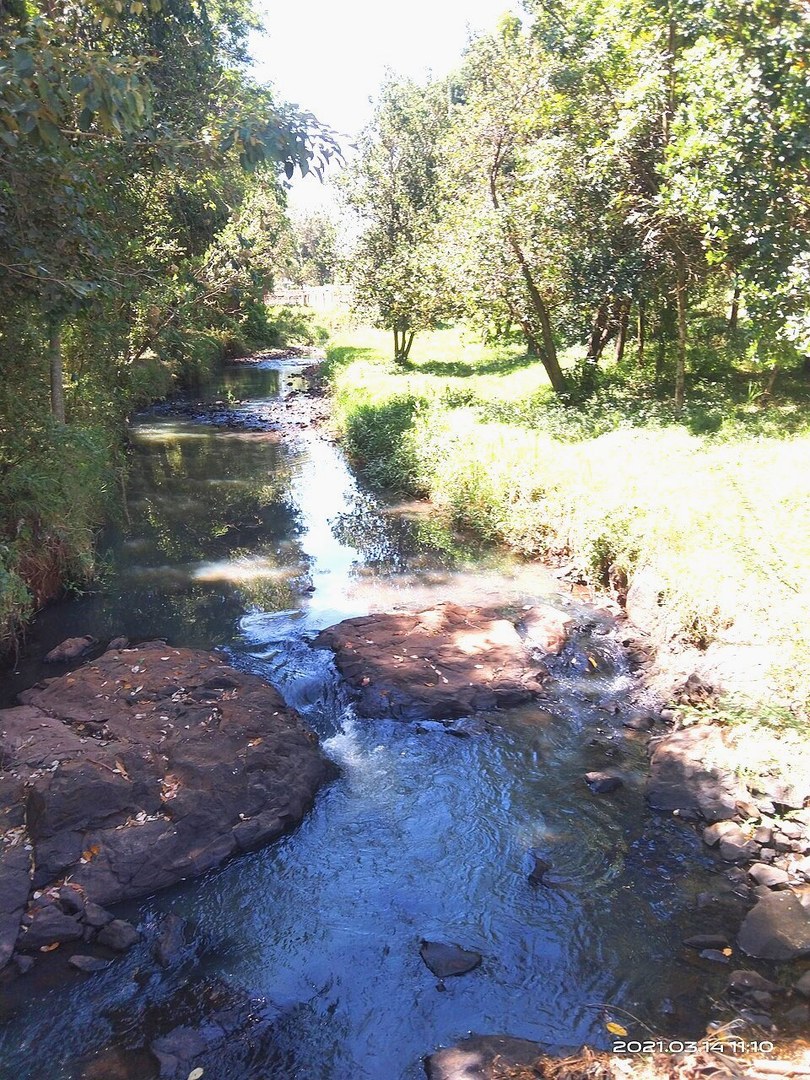
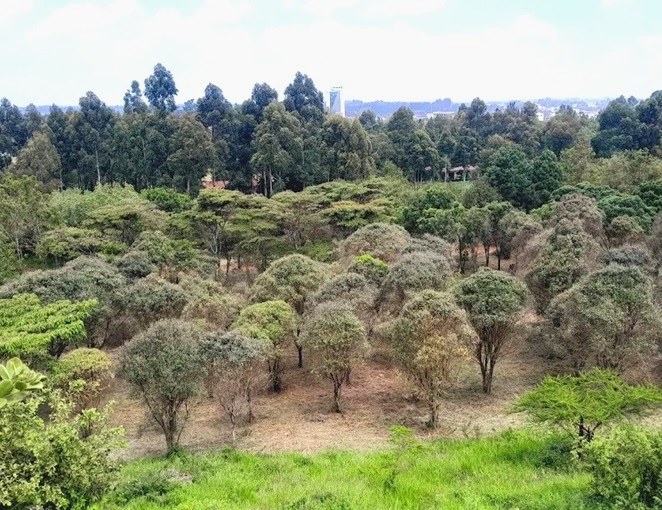
The defunct 250 km2 Maralal National Reserve, wound down in 2014 by Samburu Government subsequent to the eradication of wildlife by poaching, was primarily absorbed as development land for Maralal town. Still, much of the area that was once Maralal National Reserve, looking out over to the Ol Doinyo Lenkiyo Hills, is a prepossessing landscape. Its old-times anchor hotel, Maralal Safari Lodge, 3 km east from Maralal town, fully renovated in 2015, continues to thrive. To safeguard what little wildlife was left, Maralal Wildlife Sanctuary, a small preserve of 5 km2, covering the plains around the lodge, southwest of Maralal, was reestablished.
Today, Maralal Safari Lodge, at the heart of Maralal Wildlife Sanctuary, provides an immersive experience with Samburu’s wild nature, featuring frequent sightings of zebras, elands, warthogs, and sometimes even leopards that roam freely about the lodge grounds. Maralal Safari Lodge is surrounded by scenic green hills also overlooks a waterhole, where guests can enjoy viewing wildlife from the comfort of the terrace. This lodge has been a popular spot for both local and international visitors, especially those exploring the less-traveled northern regions of Kenya.
Around Kenya are to be found a hatful of delightful nature parks and sanctuaries, many of these being community initiatives to protect wildlife in their natural habitats. Fairly small in comparison to the national parks and reserves, they offer a more intimate exposure to the wild, to fully appreciate the local flora and fauna.

Reply