
Lamu Fort(拉穆堡)
导语
Lamu Fort(拉穆堡)位于拉穆县,属于斯瓦希里遗产 / 博物馆。页面重点包括The tremendous Lamu Fort, built from 1813 to 1821, is a bold metaphor for Lamu’s prosperity and dominance after foiling Mombasa and Pate Island in the Battle of Shela,由此展开当地地理、交通、文化和旅行背景。
正文
拉穆堡(Lamu Fort)位于拉穆县,可作为了解当地地方目的地的一处入口。它的价值不只在于“到此一游”的景点标签,更在于把拉穆县的地理环境、城市生活、道路节点和地方记忆连接起来。
拉穆堡最值得关注的是地理位置、到达方式、现场体验和周边可串联内容。对旅行者来说,判断一个地方是否值得停留,关键不只是名称本身,而是它与周边道路、城镇和其他目的地之间的关系。放在一条县域线路中阅读,拉穆堡会显得更具体,也更容易被纳入实际行程。
从现有资料看,拉穆堡的吸引力主要来自现场环境和地方背景。它适合用较慢的节奏停留:观察空间本身,理解它与拉穆县城市或乡村生活之间的关系,再结合照片和周边地点形成完整印象。
把拉穆堡放进肯尼亚旅行语境中,它补足的是主流 safari 线路之外的县域细节。这里呈现的不是单一动物观赏或酒店体验,而是更日常、更具体的地方肯尼亚:城市绿地、社区空间、自然边界、历史痕迹和道路连接共同构成了目的地的真实质感。
因此,拉穆堡适合作为拉穆县目的地资料中的一页:它帮助读者快速理解这个地点的基本定位,也为规划区域停留、补充现场照片和串联周边路线提供参考。适合希望理解肯尼亚县域目的地的读者,都可以从这里获得一个可靠的起点。
英文原文
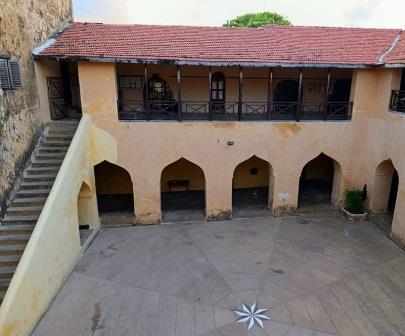
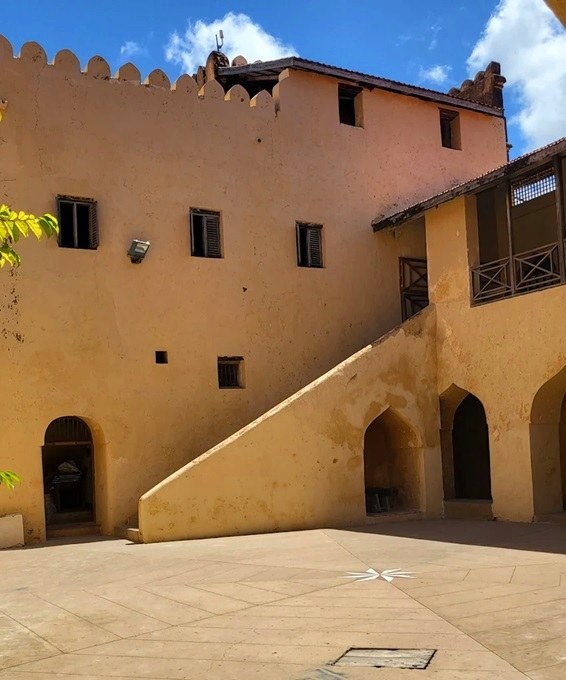
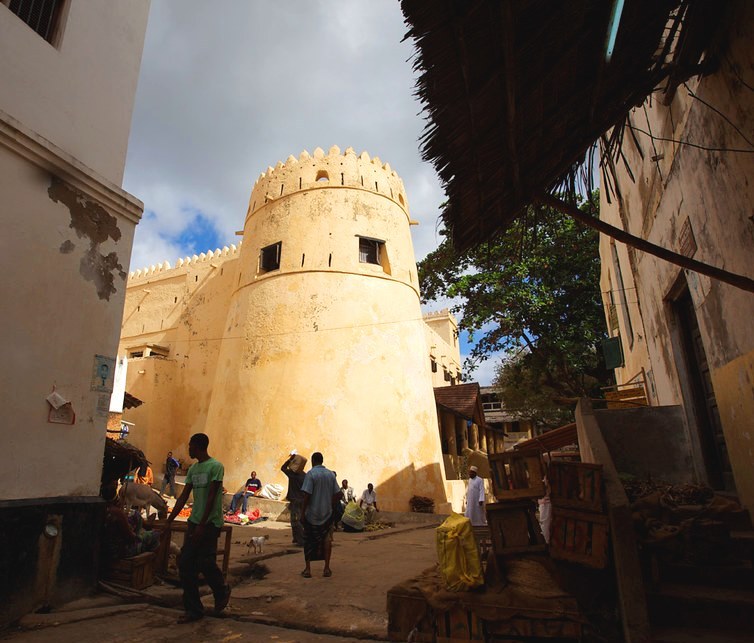
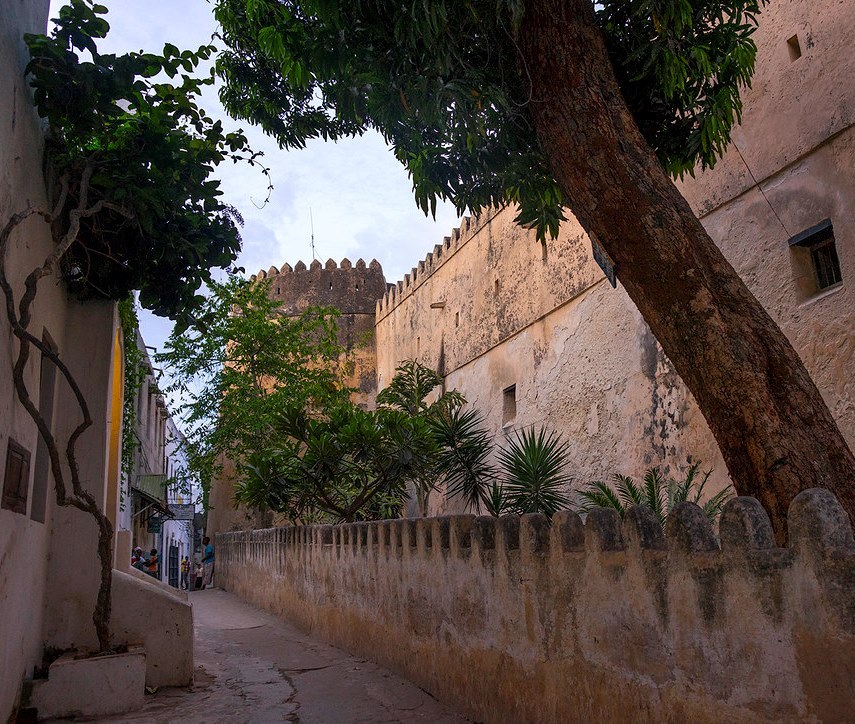
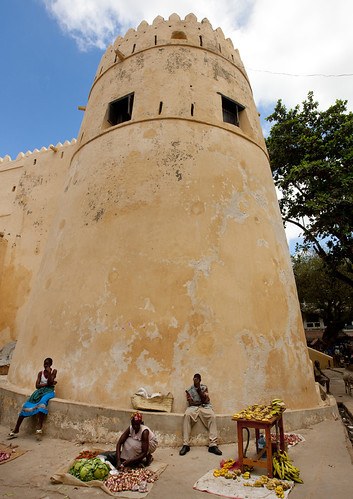
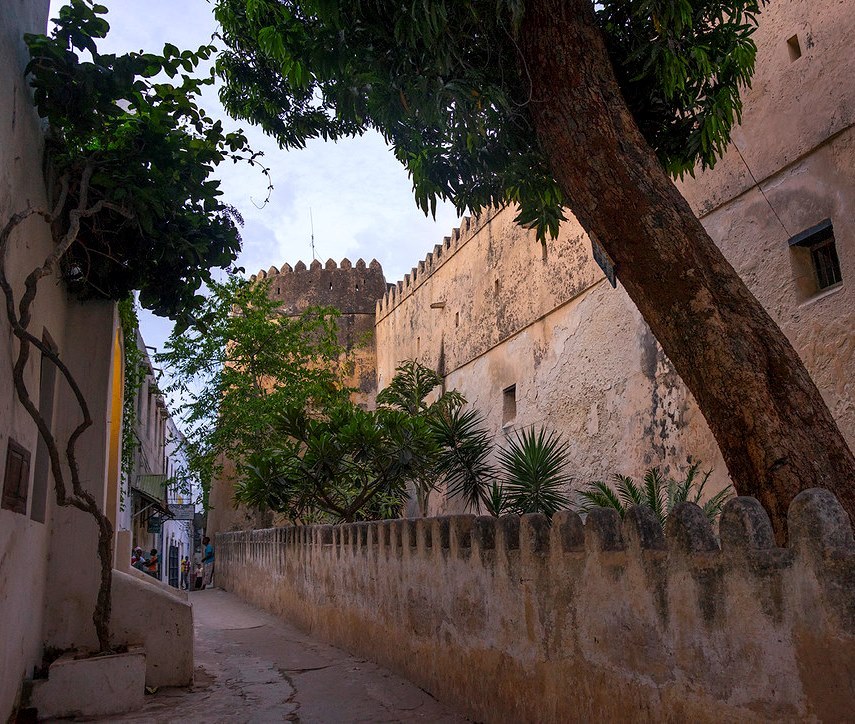
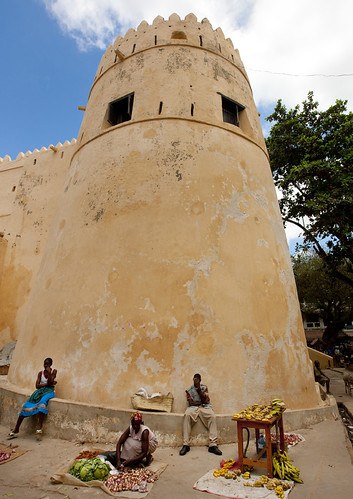
The tremendous Lamu Fort, built from 1813 to 1821, is a bold metaphor for Lamu’s prosperity and dominance after foiling Mombasa and Pate Island in the Battle of Shela. In 1812, joint forces of Pate and Mombasa were repulsed by Lamu in a fierce battle on the beaches of Shela – in what would later be christened the Battle of Shela. In the same year, Lamu sought and received protection from the Sultan of Oman, and Lamu Fort was built and later garrisoned by Omani soldiers. Thanks to its agreeable relationship with the influential Omani rulers, who later established the Sultanate of Zanzibar, Lamu grew into a busy post; Kenya’s main port. By the middle of the 19th century its dhows were trading in ivory, mangroves, oil seeds, hides, grains, cowries, tortoise shells, hippo teeth and slaves in large quantities.
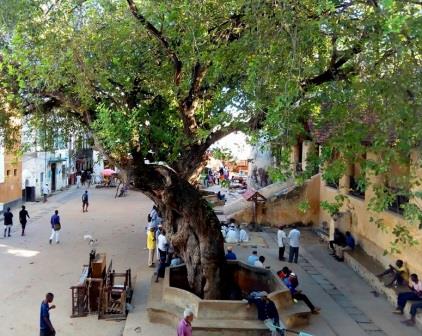
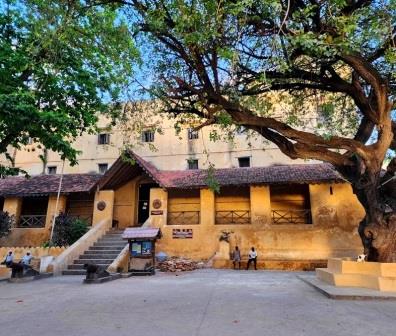
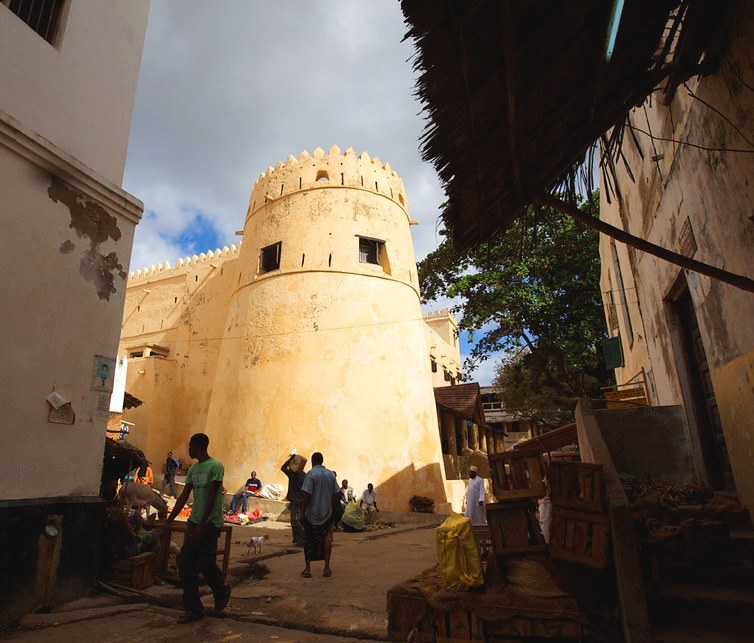
And likewise, ivory was bought from Wasania hunters through the intermediary of Kipini, Kau and the other settlements of Tana River. The protective presence of Lamu Fort in the middle of Lamu town, observable from miles around it, spurred growth of the town with many of its houses been built around it. Henceforth, the excellent siting of the town and its fort protected Lamu against attacks from the mainland warlike tribes, which at the time utterly destroyed many mainland and island towns like Kilwa and Mombasa. Today, the huge open space in-front of Lamu Fort, under the shade of casuarina trees, is a well-liked public area popular with playing of the Bao, an ancient traditional board game. There are traders, too, flocking the fort. Warm and lively, it feels far removed from the 17th century that was the era of Pate’s supremacy, during which time Lamu was a subject of Pate.
Kenya is home to numerous historic sites that showcase the country’s rich cultural heritage, ancient civilizations, colonial history, and struggle for independence. These historic sites offer valuable insights into Kenya’s past and its diverse cultural heritage, making them essential destinations for visitors interested in her history.
图片

Reply