
Lamu Catholic Church(宗教与学术传统)
导语
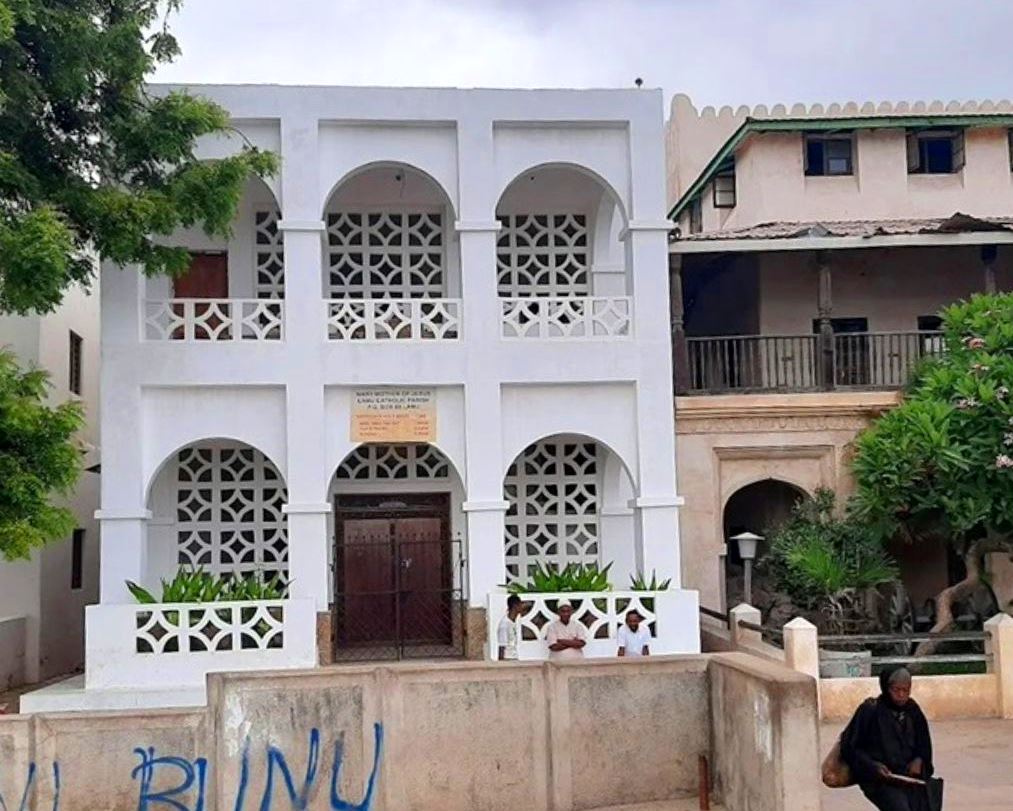
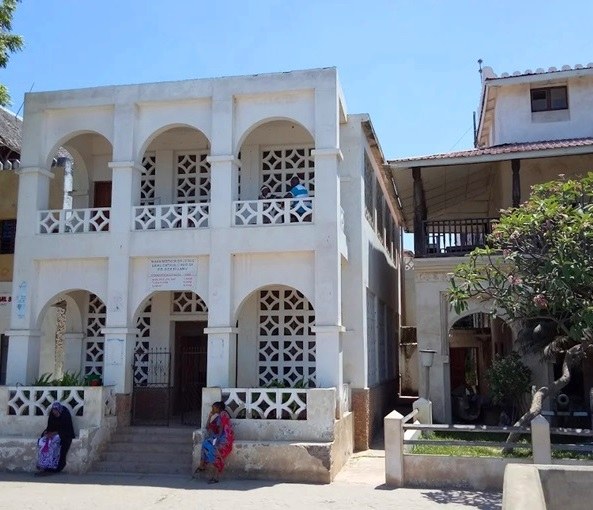
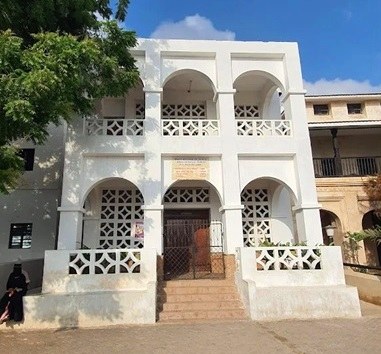
Lamu Catholic Church(宗教与学术传统)位于拉穆县,属于宗教与学术传统。页面重点包括Completed in 1972 adjacent to the Lamu Museum, Mary Mother of Jesus Parish, more proper Lamu Catholic Church, is now an authenticated heritage of Lamu,由此展开当地地理、交通、文化和旅行背景。
正文
宗教与学术传统(Lamu Catholic Church)位于拉穆县,可作为了解当地地方目的地的一处入口。它的价值不只在于“到此一游”的景点标签,更在于把拉穆县的地理环境、城市生活、道路节点和地方记忆连接起来。
宗教与学术传统最值得关注的是地理位置、到达方式、现场体验和周边可串联内容。对旅行者来说,判断一个地方是否值得停留,关键不只是名称本身,而是它与周边道路、城镇和其他目的地之间的关系。放在一条县域线路中阅读,宗教与学术传统会显得更具体,也更容易被纳入实际行程。
从现有资料看,宗教与学术传统的吸引力主要来自现场环境和地方背景。它适合用较慢的节奏停留:观察空间本身,理解它与拉穆县城市或乡村生活之间的关系,再结合照片和周边地点形成完整印象。
把宗教与学术传统放进肯尼亚旅行语境中,它补足的是主流 safari 线路之外的县域细节。这里呈现的不是单一动物观赏或酒店体验,而是更日常、更具体的地方肯尼亚:城市绿地、社区空间、自然边界、历史痕迹和道路连接共同构成了目的地的真实质感。
因此,宗教与学术传统适合作为拉穆县目的地资料中的一页:它帮助读者快速理解这个地点的基本定位,也为规划区域停留、补充现场照片和串联周边路线提供参考。适合希望理解肯尼亚县域目的地的读者,都可以从这里获得一个可靠的起点。
英文原文
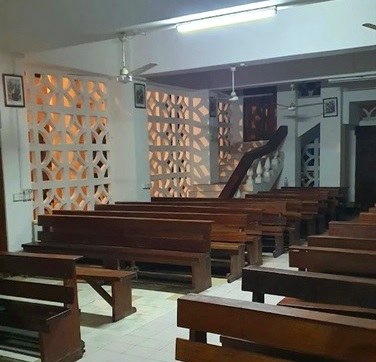
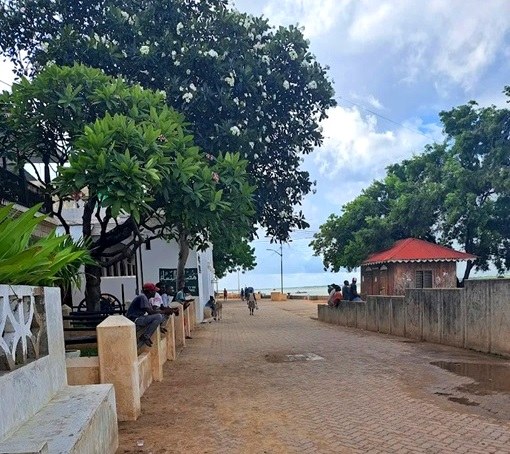
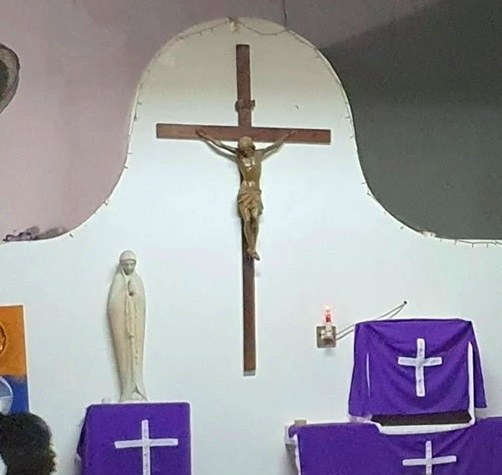
Although Lamu Island is, by and large, hegemonized and influenced by Islam, with no less than 20 fine mosques, it is not, however, a closed society as embodied by Lamu Catholic Church at the heart of town. Completed in 1972 adjacent to the Lamu Museum, Mary Mother of Jesus Parish, more proper Lamu Catholic Church, is now an authenticated heritage of Lamu. In concomitance with the local outlook and to maintain architectonic harmony, it adopts the localized architecture and delightfully blends in with the landscape of the ancient town. It is situated along the main ocean-facing street in-betwixt Lamu Museum and the Yumbe House.
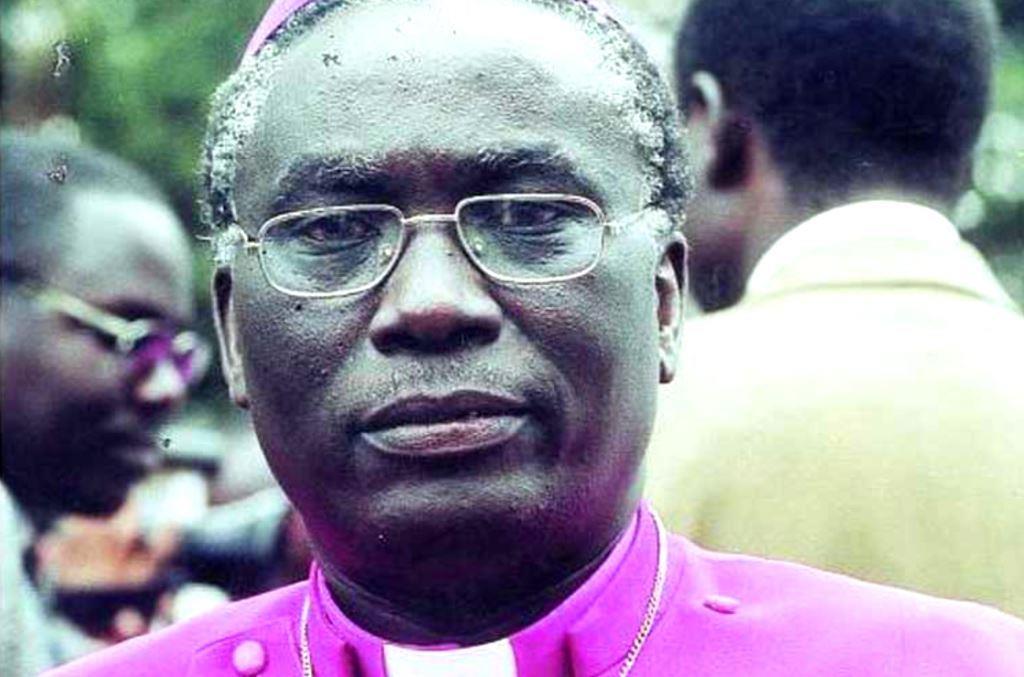
Mary Mother of Jesus Lamu Parish forms part of Catholic Diocese of Malindi. By the same token, its first bishop came from Malindi Diocese, the Late Rev. bishop Francis Baldachino. It is bordered by Hindi Parish and Mpeketoni Parish. Presently, Lamu Parish has two outstations, at Manda Maweni and the Lamu Port, and has aabout 300 faithful forming part of six small Christian communities. Still and all, Lamu Island has a little forgotten history that predated the Lamu Catholic Church that dates back to the early precolonial days of heroic missionary work in Kenya.
Prior to the establishment of Bura Mission, Mombasa Mission had been used as a settlement house for the Kilimanjaro Mission (in German East Africa) to transport construction materials, Church furniture, and house requisites to Kilema via large caravans assembled in Mombasa. The porters for the caravans were chiefly from the Taita sub-tribes. It was from the Wataita porters that the missionary Fathers learnt of Bura Valley and from whom the first invitation to found a mission to Bura came. Chief Mbogholi, an influential local leader and elder, also approved of this.
When the First World War broke out, tragedy struck the mission and despite their gainful community initiatives, the German priests and nuns came under suspicion of likely sympathies with German infiltrators. The Mission was closed by military decree on September 2, 1914. The priests were interned in a civilian camp in South India, the mission natives were sent to Lamu and the nuns were made to walk the 140 miles to Mombasa as punishment for allegedly hosting and caring for several saboteurs during the opening days of the war. On the perilous journey to the coast most of the nuns died after contracting typhoid fever from drinking water out of a contaminated well. When the hostilities ended, the military hospital closed and the mission was allowed to re-open. In the same year, 1919, all the native mission staff and followers who had been in Malindi and Lamu were allowed to return.
图片
Reply