
Kwale Town(夸莱镇)
导语
Kwale Town(夸莱镇)位于夸莱县,属于县域目的地。页面重点包括The origins of Kwale town dates back to circa 1923 when it replaced Shimoni as the capital of Vanga District,由此展开当地地理、交通、文化和旅行背景。
正文
夸莱镇(Kwale Town)位于夸莱县,可作为了解当地地方目的地的一处入口。它的价值不只在于“到此一游”的景点标签,更在于把夸莱县的地理环境、城市生活、道路节点和地方记忆连接起来。
夸莱镇最值得关注的是地理位置、到达方式、现场体验和周边可串联内容。对旅行者来说,判断一个地方是否值得停留,关键不只是名称本身,而是它与周边道路、城镇和其他目的地之间的关系。放在一条县域线路中阅读,夸莱镇会显得更具体,也更容易被纳入实际行程。
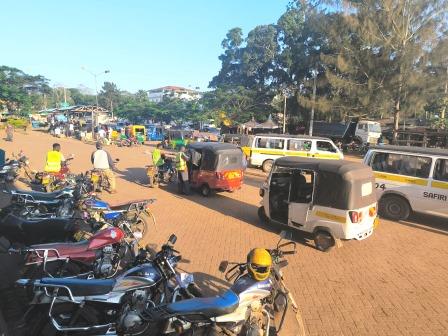
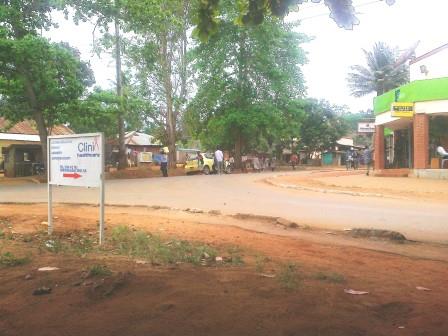
从现有资料看,夸莱镇的吸引力主要来自现场环境和地方背景。它适合用较慢的节奏停留:观察空间本身,理解它与夸莱县城市或乡村生活之间的关系,再结合照片和周边地点形成完整印象。
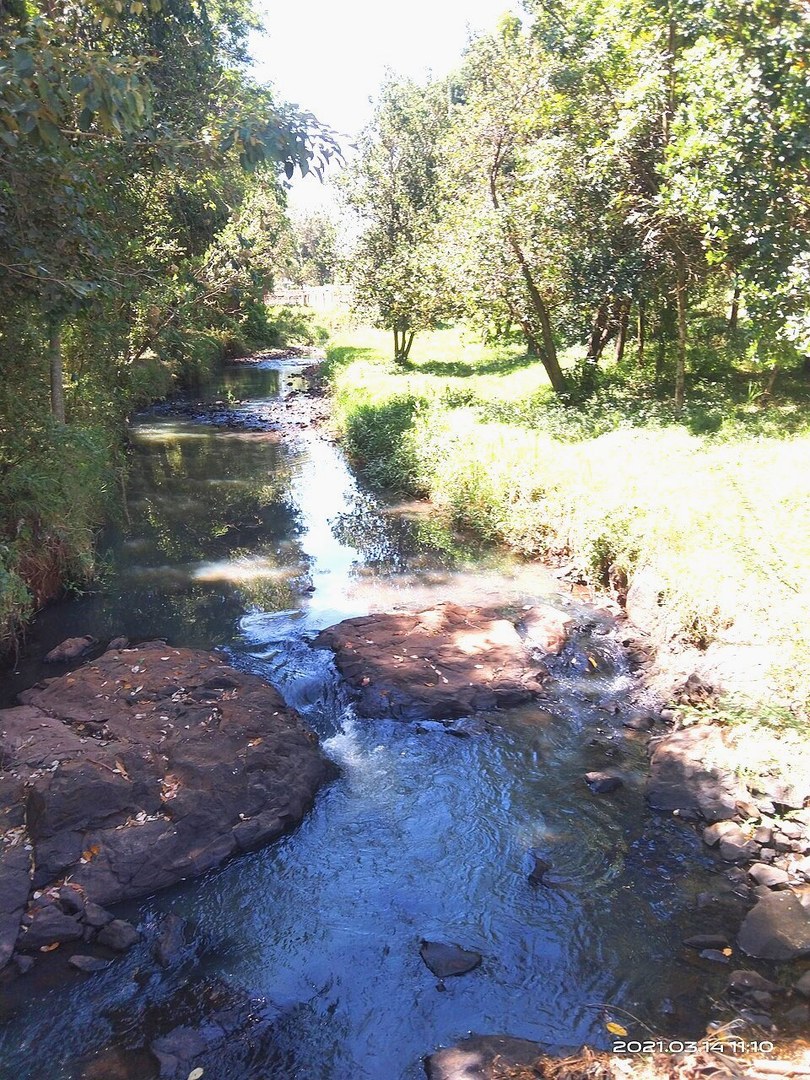
把夸莱镇放进肯尼亚旅行语境中,它补足的是主流 safari 线路之外的县域细节。这里呈现的不是单一动物观赏或酒店体验,而是更日常、更具体的地方肯尼亚:城市绿地、社区空间、自然边界、历史痕迹和道路连接共同构成了目的地的真实质感。
因此,夸莱镇适合作为夸莱县目的地资料中的一页:它帮助读者快速理解这个地点的基本定位,也为规划区域停留、补充现场照片和串联周边路线提供参考。适合希望理解肯尼亚县域目的地的读者,都可以从这里获得一个可靠的起点。
英文原文
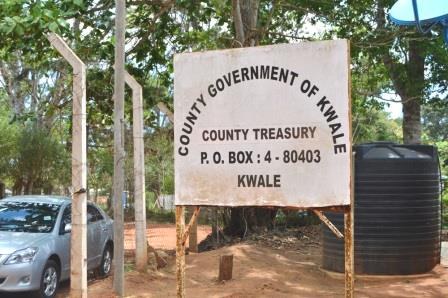
The origins of Kwale town, or at least its formal recognition as an administrative center, dates back to circa 1923 when it replaced Shimoni as the capital of Vanga District. Hitherto, Shimoni had served as both the capital of Vanga and the earliest headquarters for Imperial British East African Company (IBEA) from 1890. During the colonial period, Kwale remained a sluggish administrative center with limited infrastructure and economic development, compared to Mombasa. After Kenya gained independence, in 1963, Kwale was designated as the administrative center for Kwale County. The town has since played a crucial role in local governance.
Thanks to its geographical advantage and temperate climate on the coastal range, the place we now call Kwale had long been a hub for diverse settlement among the coastal nations, way before the arrival of the British. Oral traditions suggest that its occupation dates as far back as the mid 1400s when the Washiraze People settled here; followed by the Wavumba in the 1600’s, and later the Wasegeju People. Another sub-tribe, the Wadigo, inhabited the coastal regions, while the Waduruma settled around Gazi and Vanga, which had a marked Arab influence. These communities practiced subsistence farming, livestock rearing, and trade.
Like much of Kenya’s coastal region, Kwale was influenced by Swahili culture, which emerged as a blend of Bantu and Arab cultures due to centuries of trade along the East African coast. Swahili language and culture became dominant in the region. For many a generations, Kwale town and nearby coastal areas were involved in the extensive Indian Ocean trade network. Arab, Persian, and Indian traders exchanged goods like ivory, slaves, and spices with local communities. The Arab traders introduced Islam to the region, and it became an integral part of the culture and identity of many coastal communities, including Kwale center.
By the late 17th century, the Portuguese influence waned, and the Sultanate of Oman took control of much of the coastal region, including Kwale. The Omani rulers focused on expanding trade, especially in slaves and spices, impacting the local economy and society. In sequence, Kwale fell under British colonial rule as part of the British East Africa Protectorate (later Kenya). The colonial government established administrative structures in the town and surrounding areas. Still and all, during this disruptive era, Kwale town remained a small administrative center with limited infrastructure and economic development compared to Mombasa.
图片



Reply