Kolloa Monument
Kolloa Monument 是巴林戈人文线路中的重要停留点。它帮助游客把道路、城镇、族群记忆、宗教、市场和地方历史联系起来,而不只是从一个景点赶到下一个景点。
巴林戈的人文旅行不能脱离自然地理来理解。高地、湖岸、半干旱草地和道路节点塑造了不同社区的生活方式,也让市场、教会、纪念地、博物馆和节庆活动带有很强的地方性。
人文地点的意义在于把风景背后的社区、历史和日常生活带出来。它可能不是停留最久的地方,却常常是理解巴林戈最关键的一站。
游览 Kolloa Monument 时,不必急着把它当成单一景点消费。它真正有价值的地方,往往在于让游客理解巴林戈人的生活方式、迁徙记忆、宗教影响、市场活动和地方身份。
巴林戈不是单一族群地区,Tugen、Pokot、Ilchamus、Turkana 等社区在牧业、湖岸生活、市场和节庆中留下了不同的地方性格。
几个关键数字可以帮助你预估现场尺度和行程节奏:1950、100。这些数字不只是冷冰冰的参数,它们会直接影响停留时间、拍摄距离、车辆安排和当天是否需要预留更多路程缓冲。
游览时不要只看建筑或纪念物本身,还要留意它与道路、市场、学校、教会、博物馆、族群记忆和地方政治之间的关系。
安排 Kolloa Monument 时,可以把它放进同一方向的半日或一日线路中,减少来回折返。如果时间有限,它也适合作为顺路停留点;重点不是停得越久越好,而是看懂它与周边城镇、道路和地貌的关系。
Kolloa Monument 可以与 Kabarnet、Marigat、当地市场、博物馆或湖岸村落组合。把它放在路线上,能让游客在自然风景之外看到巴林戈的社会层次:谁生活在这里,靠什么生活,地方记忆如何被保存。
实际出行时,可以把 Kolloa Monument 的停留时间分成三部分:先在安全位置建立整体印象,再根据光线、天气和向导意见选择拍摄或步行范围,最后留一点时间观察当地人的使用方式。这样体验下来,游客记住的就不只是“这里很美”,而是它为什么会形成现在的样子。
更适合 Kolloa Monument 的旅行方式,是把它当作巴林戈整体线路的一部分:前后衔接 Lake Baringo、Lake Bogoria、Kerio Valley、Kabarnet、Marigat 或周边保护地时,游客会更容易理解这里为什么值得停留。
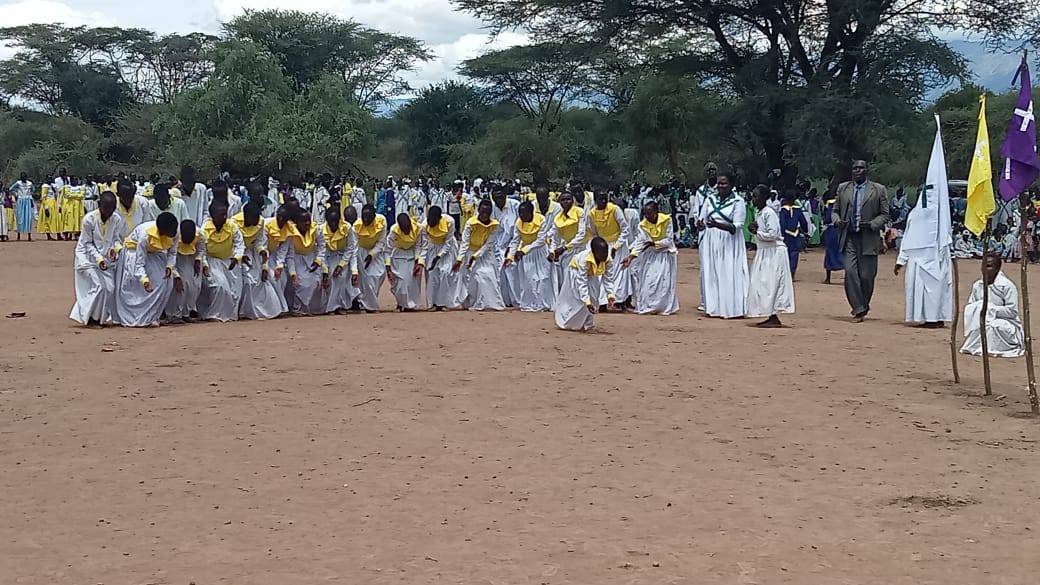
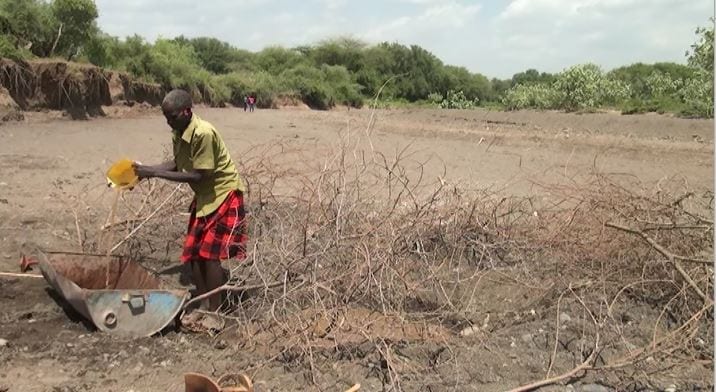
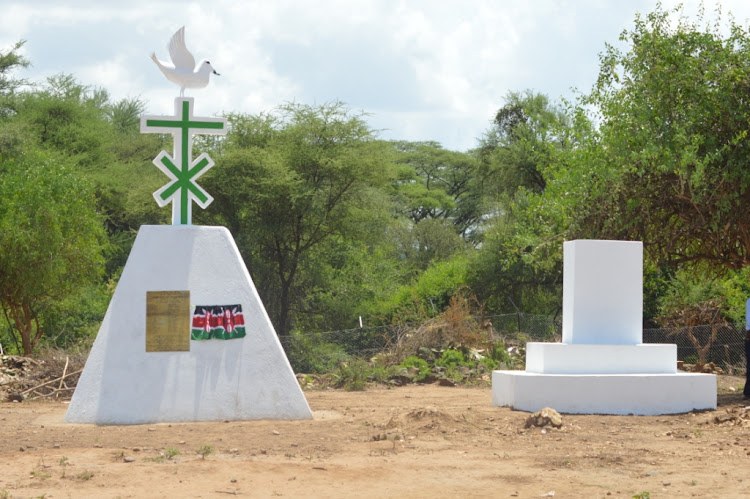
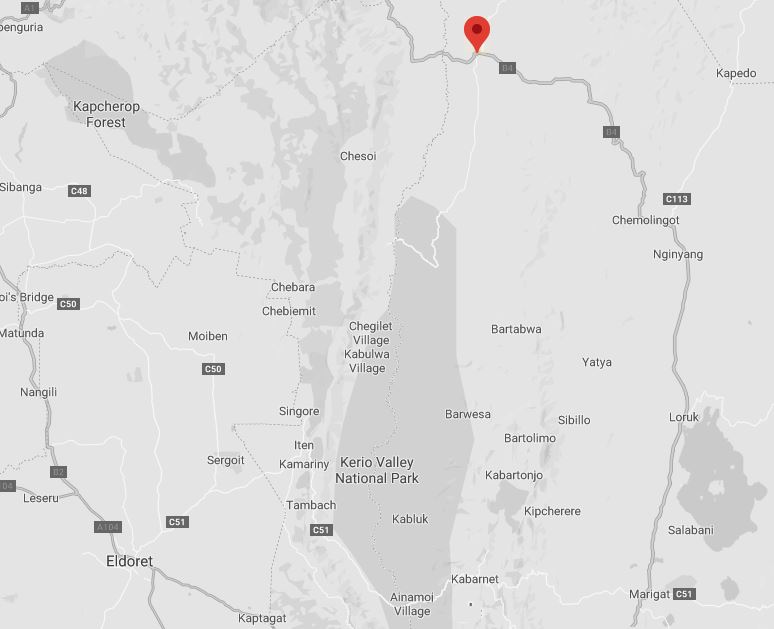
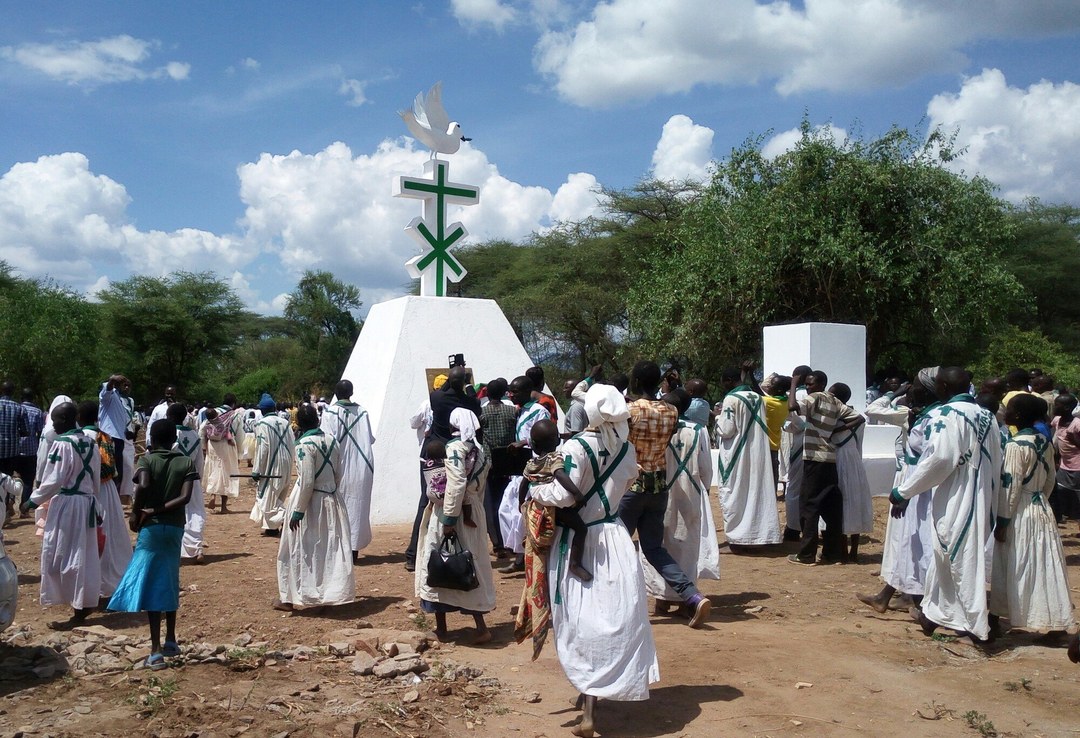
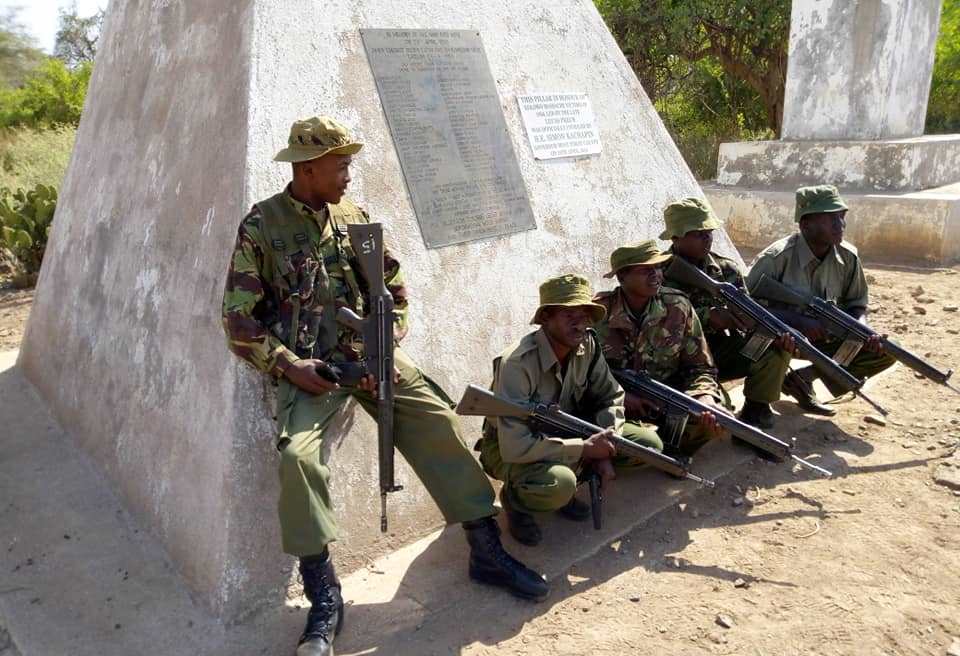
Out in northern Baringo, in a remote backland with limited access to services and infrastructure, with no police presence in forlorn villages that are escape routes for bandits who wreak havoc, killing and maiming at will, often displacing large herds at cattle in daylight raids, is where the Kolloa Cross Monument is found.
Named after the self-same village of Kolloa, its unfamiliarity and unpopularity is by dint of the remoteness of the area and, rather more importantly, the notoriety of bandits and insecurity. Maybe, improvements in security will gradually enhance accessibility to some of these remote-flung regions, but for now they are patently overlooked. The Kolloa Monument is visited more by animals than by humans.
Kolloa Monument is a solemn aide-memoire of the 1950 massacre styled as the Kolloa Affray. It commemorates and honors the individuals who served in the local armed uprising, particularly those who sacrificed their lives. The monument, falling fast into decay, features plaques and two stone cairns honouring the 100 locals who were killed here. The story of Kolloa Affray is itself quite interesting.
In the greater scheme of things, it was just an episode in Kenya's late-colonial history, occuring at a time when anti-colonial sentiments were on the rise. And the suppression, in any form, by whip or will, rampant. Kolloa Affray would be the last great test for both sides before the Mau Mau Uprising. Whether it was an isolated incident or had a nationalistic outlook is still the subject of many debates.
In the wake of the cultural turn, there had been a gradual shift in the theorization of African religions. In northern Baringo, the resident Pokot, as they navigated the cultural challenges posed to them by western Christianity, had sought redress in traditional religion – Dini ya Msamba. It was labelled an anti-colonial religion!