
Kizingo Camp(城市目的地)
导语
Kizingo Camp(城市目的地)位于蒙巴萨,属于城市目的地。页面重点包括The area roughly delineated by State House Mombasa and Mombasa Golf Club, known as Kizingo, was home in the late 1930s and early 1940s to the imperative and intricate military base, Kizingo Camp,由此展开当地地理、交通、文化和旅行背景。
正文
城市目的地(Kizingo Camp)位于蒙巴萨,可作为了解当地地方目的地的一处入口。它的价值不只在于“到此一游”的景点标签,更在于把蒙巴萨的地理环境、城市生活、道路节点和地方记忆连接起来。
城市目的地最值得关注的是地理位置、到达方式、现场体验和周边可串联内容。对旅行者来说,判断一个地方是否值得停留,关键不只是名称本身,而是它与周边道路、城镇和其他目的地之间的关系。放在一条县域线路中阅读,城市目的地会显得更具体,也更容易被纳入实际行程。
从现有资料看,城市目的地的吸引力主要来自现场环境和地方背景。它适合用较慢的节奏停留:观察空间本身,理解它与蒙巴萨城市或乡村生活之间的关系,再结合照片和周边地点形成完整印象。
把城市目的地放进肯尼亚旅行语境中,它补足的是主流 safari 线路之外的县域细节。这里呈现的不是单一动物观赏或酒店体验,而是更日常、更具体的地方肯尼亚:城市绿地、社区空间、自然边界、历史痕迹和道路连接共同构成了目的地的真实质感。
因此,城市目的地适合作为蒙巴萨目的地资料中的一页:它帮助读者快速理解这个地点的基本定位,也为规划区域停留、补充现场照片和串联周边路线提供参考。适合希望理解肯尼亚县域目的地的读者,都可以从这里获得一个可靠的起点。
英文原文
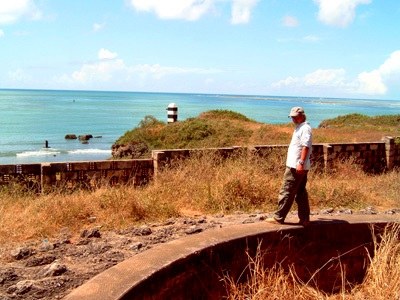
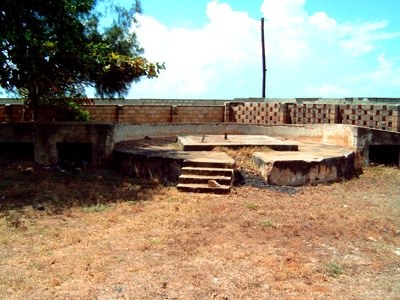
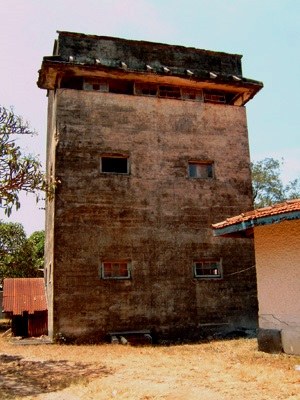
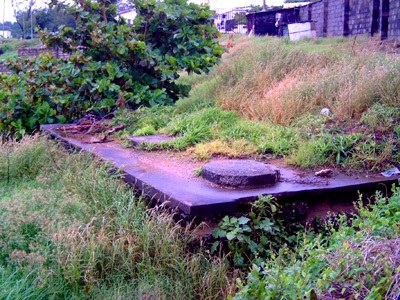
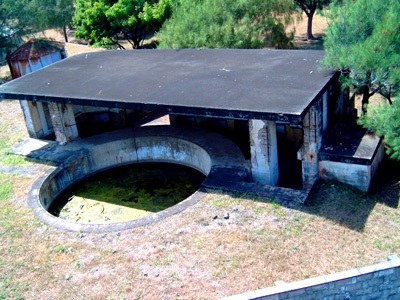
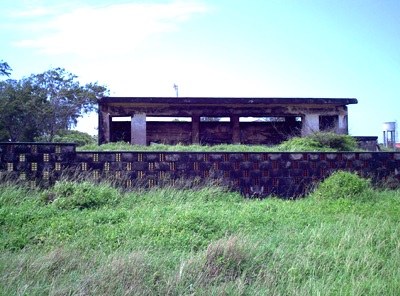
The area roughly delineated by State House Mombasa and Mombasa Golf Club, known as Kizingo, was home in the late 1930s and early 1940s to the imperative and intricate military base, Kizingo Camp. On June 28, 1936, the Commanding Royal Engineer, Michael Biggs, took over the responsibility for construction work of Kizingo Camp. This included the construction of: two 6-inch guns in open concrete emplacements with ammunition embrasures, an underground magazine between the guns, two 36-inch high current density searchlights in concrete emplacements, an engine room, a three-storey reinforced concrete building, a Port Signal Station, and, on the domestic side, barracks (initially for 75 African askaris) and for the families of half of them, plus, an Officer’s Mess, Sergeant’s Mess, staff quarter, stores, administrative buildings as well as a sewage plant.
Most of the construction work was carried out by direct employment; the skilled work by Indian artisans (fundis). The hard manual labour, like the digging of trenches and chambers in the coral rock, was done by prisoners from the jail at Fort Jesus. “On December 21st, 1936, a successful gun test took place with a full load. The completion of the magazine, however, took longer. The last structure, completed in February of 1937, was the command post with its two main interconnected compartments for control of the guns and searchlights, with the big 9 inch Barr & Stroud rangefinder placed on the roof” – Hans-Martin Sommer.
In September 1939 war was declared and around Mombasa new activities began to protect the harbour and city. By September 1940, the probability of aggression increased with the signing of Tripartite Pact in Berlin between Germany, Italy and Japan. The Japanese entered the war in December 1941, and fears of an attack mounted steadily after Burma and Singapore were lost and Ceylon became the next target for the enemy. From there the East African coast was not far.
The main strategic concept was to defeat any Japanese fleet advancing against the East African coast through sea and air attacks initiated by the Royal Navy fleet based in Mombasa. Much of this was met by requisitioning public buildings and hotels like the Manor and today’s Castle Royal. The Royal Engineers again took the main responsibility for most of the renovation work and they were supported by groups of Air Force (Air Branch of the Royal Navy and South African Air Force) who were developing a big new airfield on the mainland close to Port Reitz, today’s Moi International Airport. The two guns near the light house, installed in 1937, were replaced by three modern 6-inch guns in power-operated turrets and with much greater range. Along Azania, a huge amount of defence work was installed.
图片

Reply