
Khoja Ithnasheri Mosque(宗教与学术传统)
导语
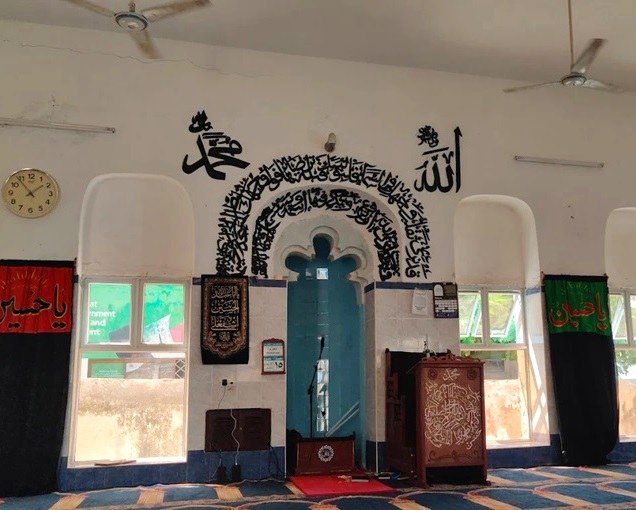
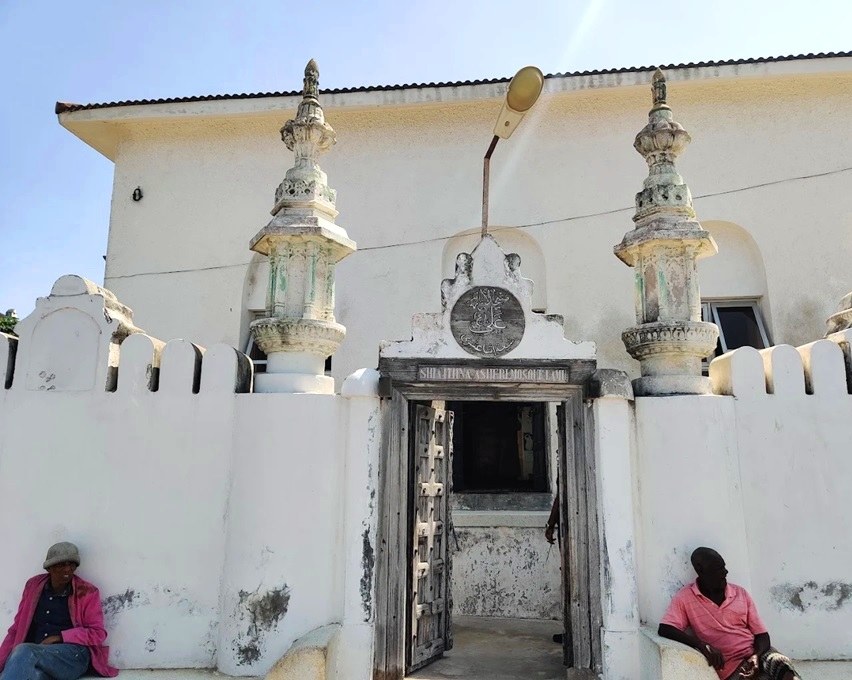
Khoja Ithnasheri Mosque(宗教与学术传统)位于拉穆县,属于宗教与学术传统。页面重点包括Khoja Ithnasheri Mosque is found along Lamu’s main street overlooking the sea, infront of Lamu Fort. It is home to the Ithnasheris (Twelvers), an old ways Shi’ite sect,由此展开当地地理、交通、文化和旅行背景。
正文
宗教与学术传统(Khoja Ithnasheri Mosque)位于拉穆县,可作为了解当地地方目的地的一处入口。它的价值不只在于“到此一游”的景点标签,更在于把拉穆县的地理环境、城市生活、道路节点和地方记忆连接起来。
宗教与学术传统最值得关注的是地理位置、到达方式、现场体验和周边可串联内容。对旅行者来说,判断一个地方是否值得停留,关键不只是名称本身,而是它与周边道路、城镇和其他目的地之间的关系。放在一条县域线路中阅读,宗教与学术传统会显得更具体,也更容易被纳入实际行程。
从现有资料看,宗教与学术传统的吸引力主要来自现场环境和地方背景。它适合用较慢的节奏停留:观察空间本身,理解它与拉穆县城市或乡村生活之间的关系,再结合照片和周边地点形成完整印象。
把宗教与学术传统放进肯尼亚旅行语境中,它补足的是主流 safari 线路之外的县域细节。这里呈现的不是单一动物观赏或酒店体验,而是更日常、更具体的地方肯尼亚:城市绿地、社区空间、自然边界、历史痕迹和道路连接共同构成了目的地的真实质感。
因此,宗教与学术传统适合作为拉穆县目的地资料中的一页:它帮助读者快速理解这个地点的基本定位,也为规划区域停留、补充现场照片和串联周边路线提供参考。适合希望理解肯尼亚县域目的地的读者,都可以从这里获得一个可靠的起点。
英文原文
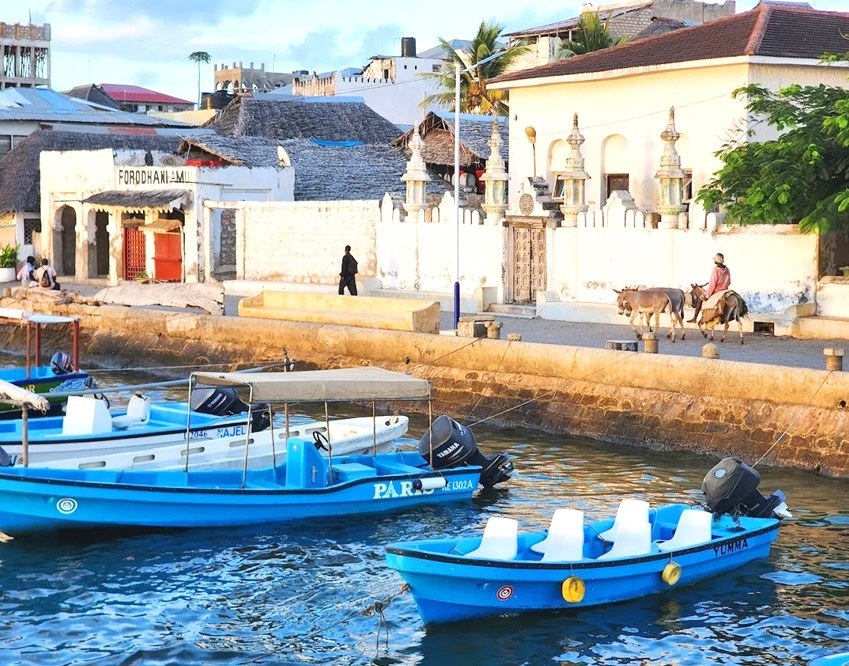
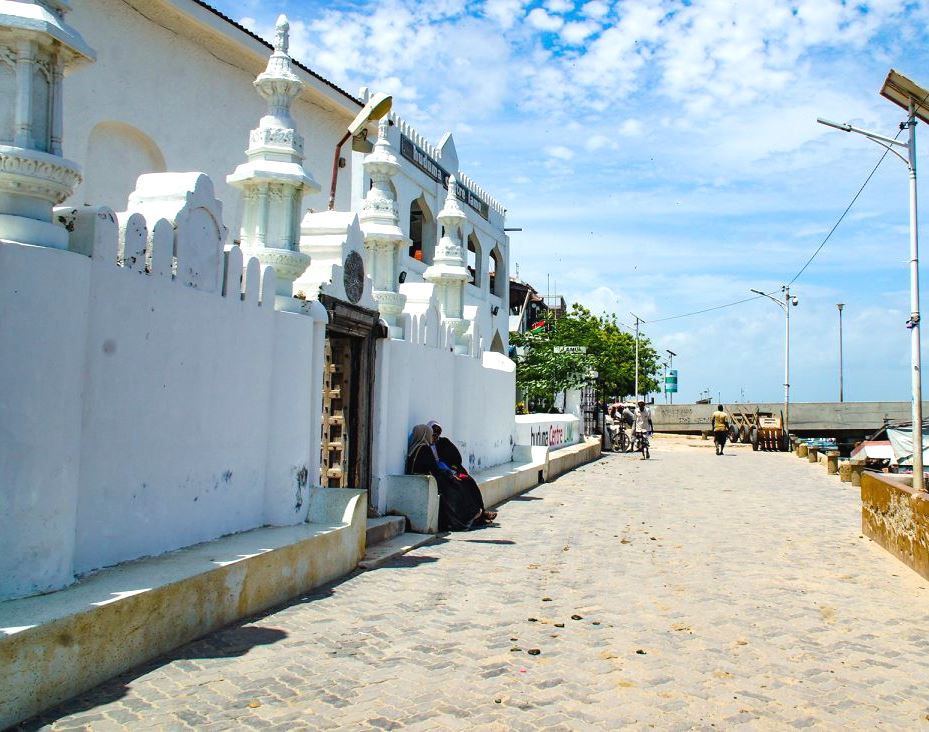
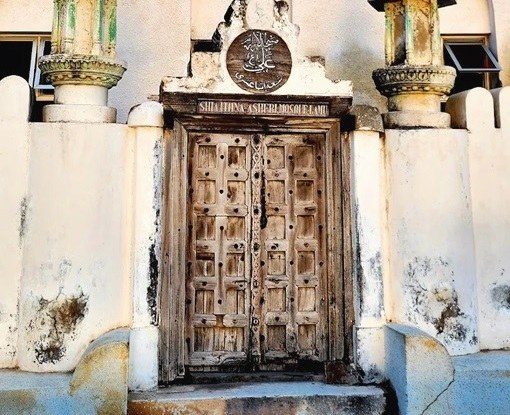
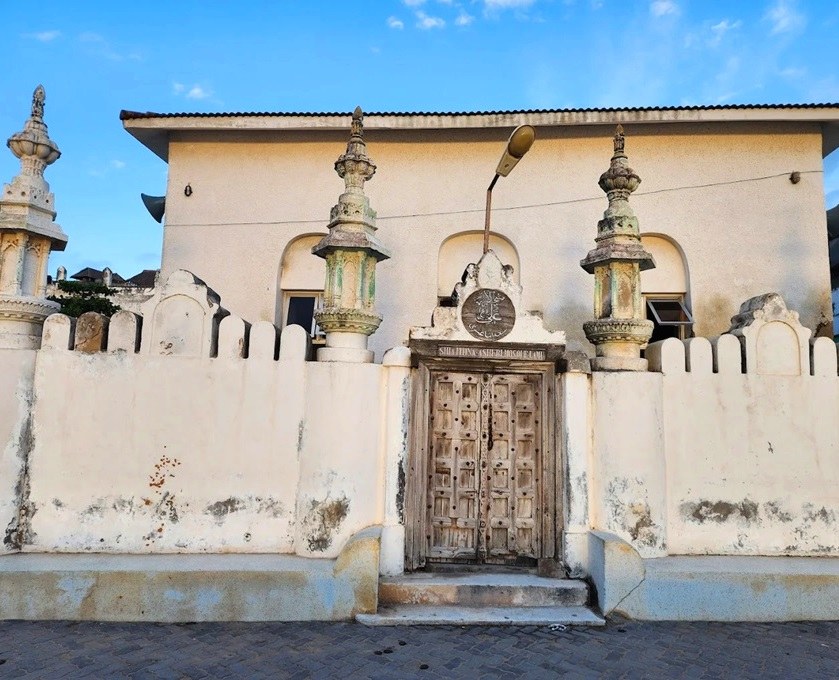
Khoja Ithnasheri Mosque is found along Lamu’s main street overlooking the sea, infront of Lamu Fort. It is home to the Ithnasheris (Twelvers), an old ways Shi’ite sect who are known by that name because they follow a line of 12 imams, starting with Ali and ending with Muhammed al-Mahdi who disappeared (into seclusion) in 879. Those in Kenya, and Lamu Island, however, are of relatively recent origin, all being Khoja Ismailis who broke away in the latter half of the 19th century due to a lengthy dispute over the management of the community finances. Members of the newly-forming Khoja Ithnasheri community in East Africa gravitated in large numbers to Lamu where one of their leaders, Dewji Jamal, and others had been trading (as Khoja Ismailis) from perhaps as early as the 1850s, certainly from 1870.
Circa 1870, Dewji Jamal, a rich Ithna-Asheri merchant of Bombay and Zanzibar established a branch of his company Dewji Jamal & Co in Lamu, which was at the time the chief port of Kenya. The period 1880-1890 witnessed a large number of Ithnaasheri arrivals to Lamu Island. Most of the new arrivals came from Kutch or Kathiawad but some also came from the older Khoja settlements along the East African coast like Bagamoyo, Zanzibar and Kilwa. In 1883 seven sons of Kanji Asani left Jamkhambalia (near Jamnagar) in Kathiawad and arrived in Lamu after a forty day journey by dhow. Each of the brothers established shops in Lamu town from where they carried out a flourishing import export business. Then in 1885 Dewji Jamal’s sons, Nazerali Naseer and Jaffer Dewji, arrived in Lamu from Zanzibar.
Because Khoja Shia Ithna-Asheris arriving in Lamu came with their families by 1895, the population of Khoja Shia Ithna-asheris had increased to about three hundred. Initially the Ithna-asheris met at individual homes to perform the ‘majlis’, ‘matam’ and other communal observances. In 1896 Dewji Jamal bought land for building a mosque-imambara. The Jamat meanwhile established a fund to raise the capital required to erect the mosque-imambara. Nasser Dewji supervised the construction and played a leading role in the collection efforts. In the same year Jaffer Dewji left for Mombasa to run the Mombasa branch of Dewji Jamal & Co.
Soon after Jaffer Dewji’s departure, the Lamu Khoja Shia Ithna-asheri community plunged into a decade of communal discord. In short order the strife began, one faction, with the help contributions from Zanzibar, built a temporary new mosque outside the 1896 mosque-imambara. This was later re-built in the 1900’s with contributions from Jivraj Khatau, Jivraj Meghji and others who had left Mombasa’s “Bustani” into the splendid mosque that can be seen today on the Lamu sea front.
图片

Reply