
Kaya Kinondo Sacred Forest(卡亚基农多圣林)
导语
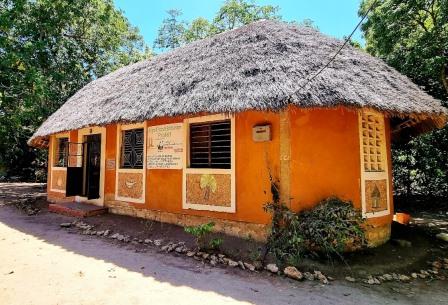
Kaya Kinondo Sacred Forest(卡亚基农多圣林)位于夸莱县,属于斯瓦希里遗产 / 文化景观。页面重点包括An unsung attraction of Diani, Kaya Kinondo, the only one of the county’s sacred forests that is open to the public, with mixed reviews, is a special eye-opener to learn about the local culture,由此展开当地地理、交通、文化和旅行背景。
正文
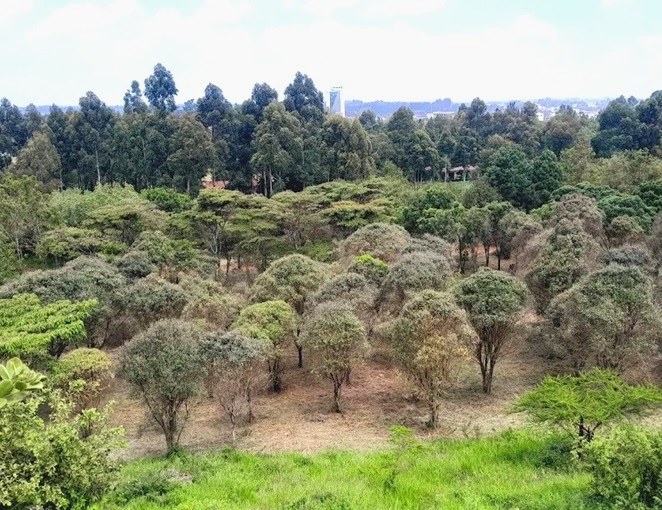
卡亚基农多圣林(Kaya Kinondo Sacred Forest)位于夸莱县,可作为了解当地地方目的地的一处入口。它的价值不只在于“到此一游”的景点标签,更在于把夸莱县的地理环境、城市生活、道路节点和地方记忆连接起来。
卡亚基农多圣林最值得关注的是地理位置、到达方式、现场体验和周边可串联内容。对旅行者来说,判断一个地方是否值得停留,关键不只是名称本身,而是它与周边道路、城镇和其他目的地之间的关系。放在一条县域线路中阅读,卡亚基农多圣林会显得更具体,也更容易被纳入实际行程。
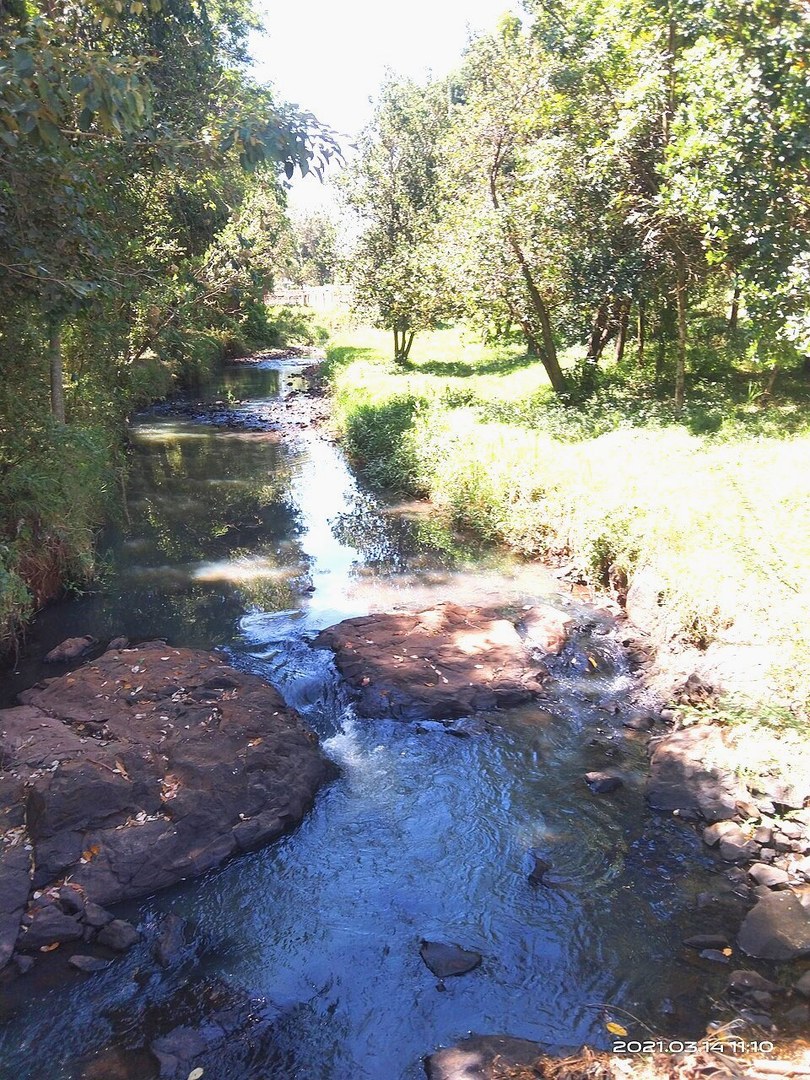
从现有资料看,卡亚基农多圣林的吸引力主要来自现场环境和地方背景。它适合用较慢的节奏停留:观察空间本身,理解它与夸莱县城市或乡村生活之间的关系,再结合照片和周边地点形成完整印象。
把卡亚基农多圣林放进肯尼亚旅行语境中,它补足的是主流 safari 线路之外的县域细节。这里呈现的不是单一动物观赏或酒店体验,而是更日常、更具体的地方肯尼亚:城市绿地、社区空间、自然边界、历史痕迹和道路连接共同构成了目的地的真实质感。
因此,卡亚基农多圣林适合作为夸莱县目的地资料中的一页:它帮助读者快速理解这个地点的基本定位,也为规划区域停留、补充现场照片和串联周边路线提供参考。适合希望理解肯尼亚县域目的地的读者,都可以从这里获得一个可靠的起点。
英文原文
11 km south of Diani Shopping Mall along Diani Beach Road you arrive at one of Kwale County’s 21 sacred forest groves. The local epithet for these forests, Kaya, translates as a home or as homestead in all the Mijikenda dialects – Chonyi, Digo, Duruma, Giriama, Jibana, Kambe, Kauma, Rabai and Ribe, historically maintained in accordance to local traditions. Nganasa, the Maasai allusion to the Kaya, also means boma or homestead. The revered Kayas along Kenya’s coast are together recognized as a World Heritage Site christened Sacred Mijikenda Kaya Forests.
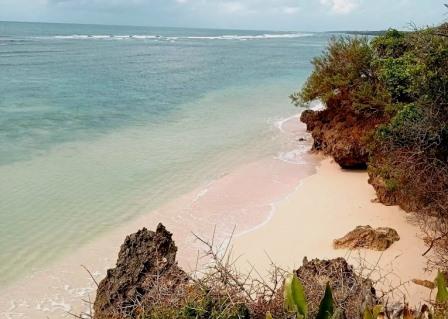
Diani-Kinondo was one of the early days Mijikenda settlements along the South Coast. According to tribal legends, the Mijikenda people migrated to their present locations from Shungwaya, north of River Tana, to flee from the inexorable Galla (Oromo) invasions of Ethiopia starting in 1530. Judging from their distinct culture and language relative to other Mijikenda, the Wadigo were the first group to leave their ancient homeland. One of their earliest settlements, near Kaya Kinondo, was at a site located directly on the beach at what is presently called Kinondo Mgwani.
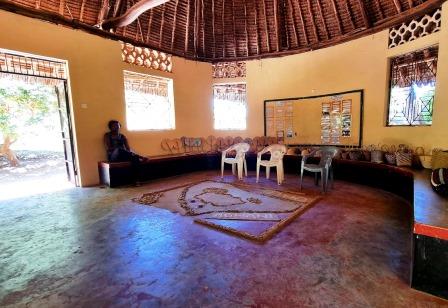
Later, the Kayas, including Kinondo, acted as a centre of defence against the Galla people. Much later, they also became a refuge for the Duruma, where they sought refuge from the invading Maasai who swayed a sizeable territory of pre-colonial Kenya. As the Maasai threat subsided, the Kaya enclaves began to be used by the community elders for prayers and traditional ritual ceremonies. Although elders are no longer buried in Kayas, these are still protected as sacred sites of origin and used as shrines, meeting sites for elders, and for offerings to the ancestral spirits.
Momentarily, the Sacred Kayas were abandoned variously during slave raids and periods of drought, except for some near and around National Parks and Reserves where coastal forests remain intact. Of a recent leaning, Kaya Kinondo ecotourism project became a pilot to initiate and assess the viability of ‘Kaya eco-tourism’ as a means of linking their riveting history and cultural appeal with economic benefits. Other Sacred Kaya around Kwale include: Gandini, Mtswakara, Chonyi, Chitanze, Lunguma, Waa Bombo, Kiteje, Teleza, Miyani, Tiwi, Galu, Chale, Sega, and Jeggo. Indeed, there are 50 or more Kayas scattered throughout forests in Kenya’s coast.
图片
Reply