
Kaimosi Forest(凯莫西森林)
导语
Kaimosi Forest(凯莫西森林)位于维希加县,属于森林生态 / Kakamega-Kibiri-Kaimosi。页面重点包括To date, Kaimosi Forest is run and owned by Kenyan Quaker Mission Church that allows nearly 3,000 locals to use the forest while abiding by sustainability guidelines,由此展开当地地理、交通、文化和旅行背景。
正文
凯莫西森林(Kaimosi Forest)位于维希加县,可作为了解当地自然空间的一处入口。它的价值不只在于“到此一游”的景点标签,更在于把维希加县的地理环境、城市生活、道路节点和地方记忆连接起来。
凯莫西森林最值得关注的是生态环境、植被景观、城市绿地价值和现场游览体验。对旅行者来说,判断一个地方是否值得停留,关键不只是名称本身,而是它与周边道路、城镇和其他目的地之间的关系。放在一条县域线路中阅读,凯莫西森林会显得更具体,也更容易被纳入实际行程。
从现有资料看,凯莫西森林的吸引力主要来自现场环境和地方背景。它适合用较慢的节奏停留:观察空间本身,理解它与维希加县城市或乡村生活之间的关系,再结合照片和周边地点形成完整印象。
把凯莫西森林放进肯尼亚旅行语境中,它补足的是主流 safari 线路之外的县域细节。这里呈现的不是单一动物观赏或酒店体验,而是更日常、更具体的地方肯尼亚:城市绿地、社区空间、自然边界、历史痕迹和道路连接共同构成了目的地的真实质感。
因此,凯莫西森林适合作为维希加县目的地资料中的一页:它帮助读者快速理解这个地点的基本定位,也为规划区域停留、补充现场照片和串联周边路线提供参考。适合关注自然观察、轻徒步、亲子活动和地方生态教育的读者,都可以从这里获得一个可靠的起点。
英文原文
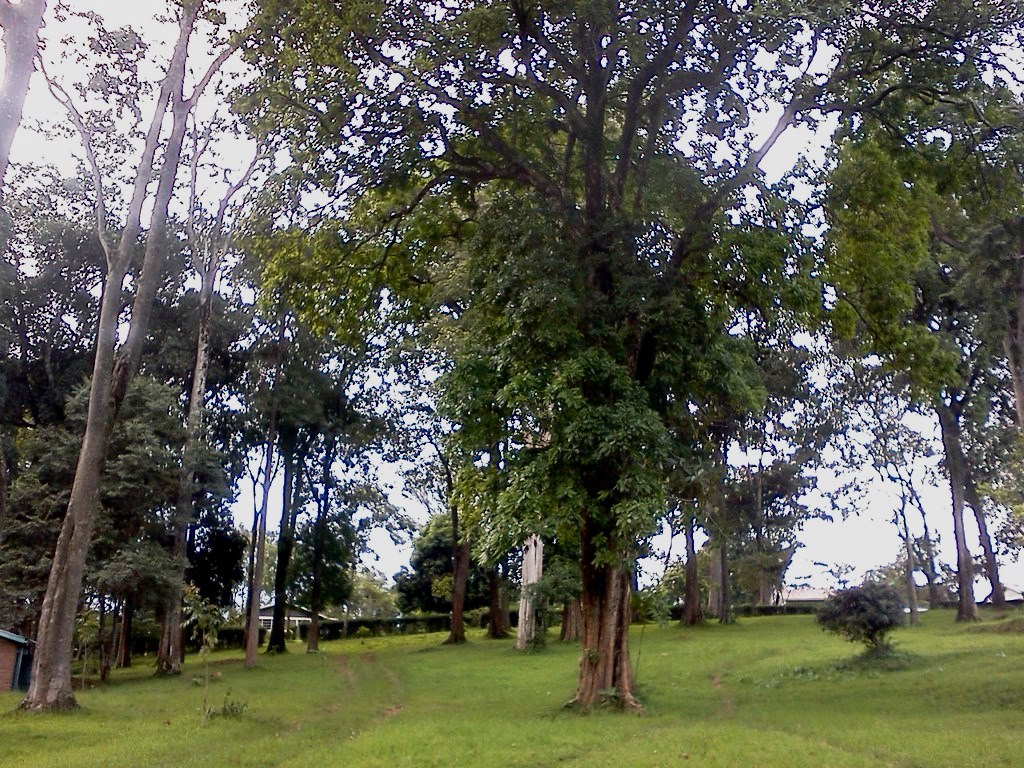
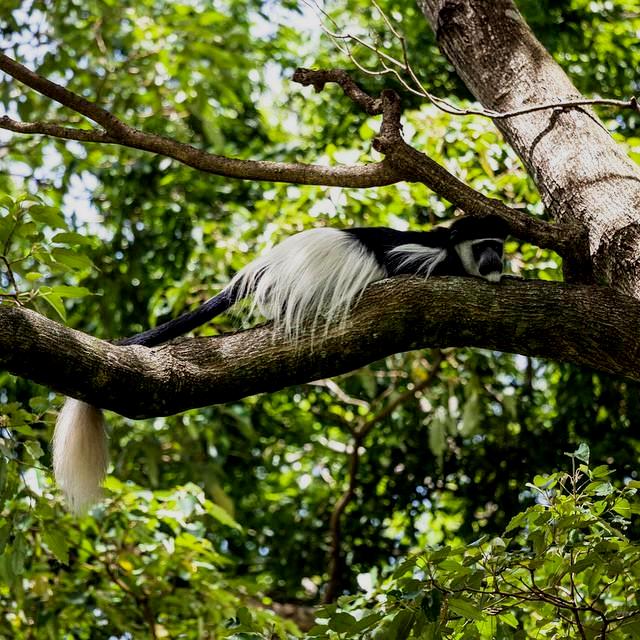
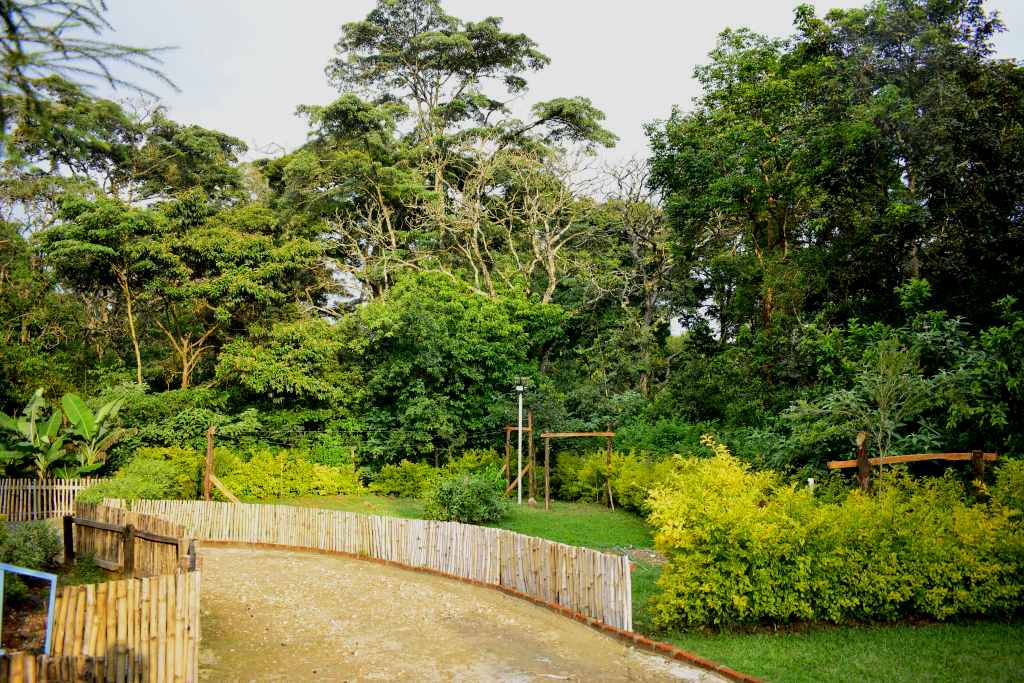
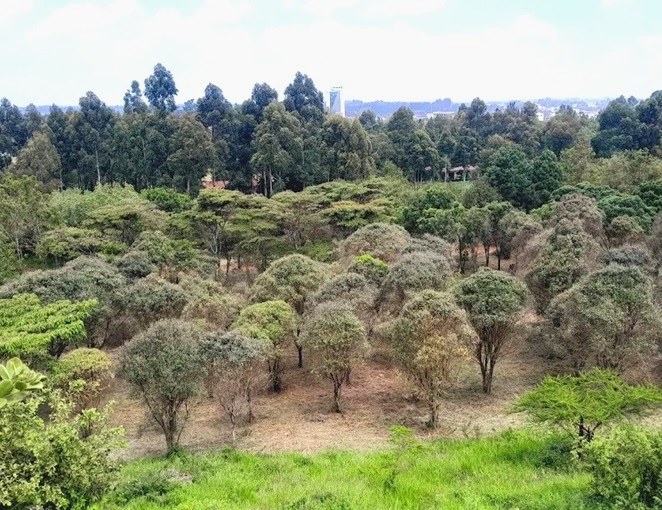
11 km easterly heading from Mudete via Stendi-Kapsabet-Eldoret Road sits the 1,000-acre Kaimosi Forest, straddling Hamisi constituency and parts of Sabatia. Reminiscent of the Kakamega Forest Reserve located 7 km east, Kaimosi Forest is a thickly wooded tropical forest that harbours a peck of birds, copious reptiles and monkeys; blue monkey, L’hoest’s monkey, red tailed monkey, black and white Columbus. Both these forests comprise the last remnants of the venerable Congo Tropical Rain Forest that once stretched across much of Central and East Africa.
At Kaimosi Forest, travellers can enjoy guided eco-forest tours, enjoy invigorating nature walks, picnics, cycling and team-building activities. Kenya Forest Service is responsible for the management of Kakamega Forest Reserve, North and South Nandi Forests, Malava, Ikuywa and Isecheno Forests. To date, Kaimosi Forest is run and owned by Kenyan Quaker Mission Church that allows nearly 3,000 locals to use the forest while abiding by sustainability guidelines or local forest use rules.
Of the 22 selected forest areas within the Kakamega Forest Ecosystem, Kaimosi Forest has had the greatest issues with illegal logging. It has suffered from the highest level of anthropogenic impacts. Currently, there are seven villages closely surrounding the Kaimosi Forest – Cheptulu, Shipala, Bumbo, Maganda, Mahanga, Shamakhokho, and Jivuye. While Kaimosi Forest is currently undergoing sterling levels of deforestation, it continues to provide medicinal plants, deadwood for cooking, deter soil erosion, and play a major role in tribal ceremonies for the Tiriki.
Kenya’s vast forest reserves are of immeasurable importance in biodiversity conservation, water regulation, and carbon storage. Collectively, these forests, natural and exotic, cover 2008 km2 or about 3.4% of Kenya’s land surface area, and 15% of the most fertile land. They also provide important recreational and ecotourism opportunities for visitors to enjoy Kenya’s natural beauty and wildlife.
图片
Reply