
Habib Swaleh House(住宿 / 餐饮)
导语
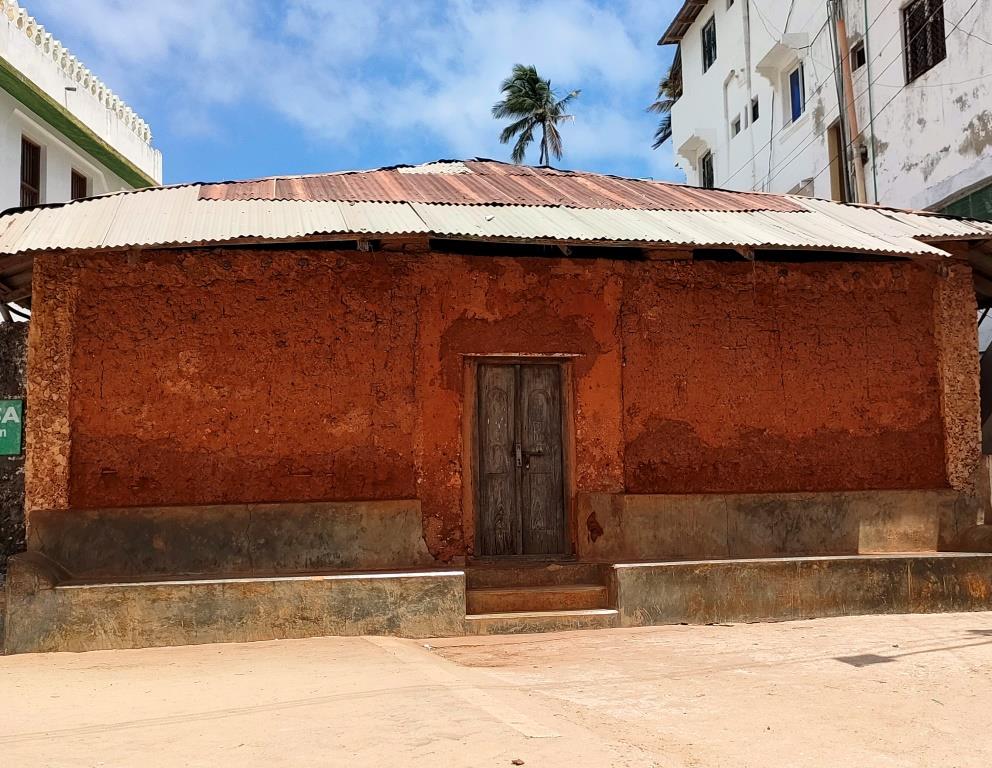
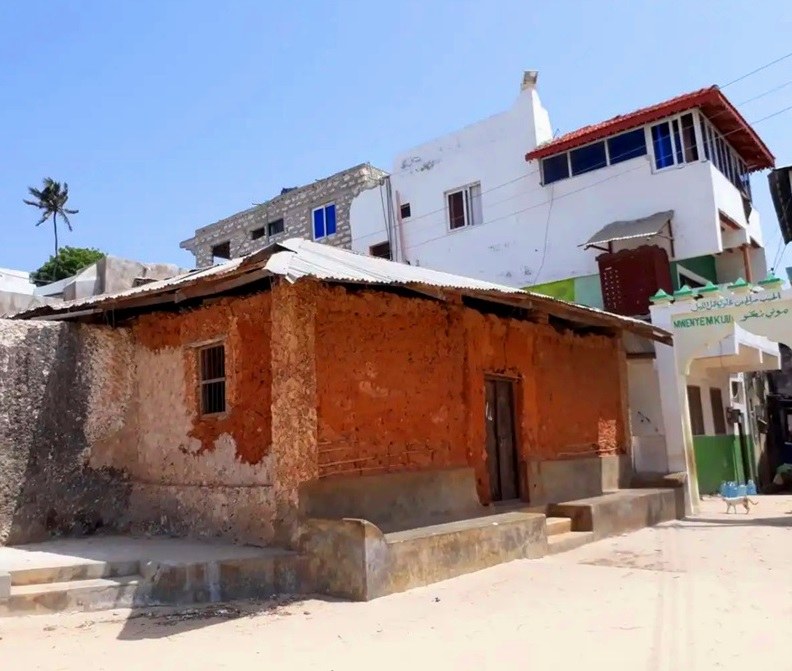
Habib Swaleh House(住宿 / 餐饮)位于拉穆县,属于住宿 / 餐饮。页面重点包括All that building known as the “House of Habib Swaleh Bin Alwi Jamal Al-Layl”, or more simply as “Nyumba ya Habib Swaleh”, situated in Riyadha, was gazetted as a National Monument on March 31, 2021,由此展开当地地理、交通、文化和旅行背景。
正文
住宿 / 餐饮(Habib Swaleh House)位于拉穆县,可作为了解当地地方目的地的一处入口。它的价值不只在于“到此一游”的景点标签,更在于把拉穆县的地理环境、城市生活、道路节点和地方记忆连接起来。
住宿 / 餐饮最值得关注的是地理位置、到达方式、现场体验和周边可串联内容。对旅行者来说,判断一个地方是否值得停留,关键不只是名称本身,而是它与周边道路、城镇和其他目的地之间的关系。放在一条县域线路中阅读,住宿 / 餐饮会显得更具体,也更容易被纳入实际行程。
从现有资料看,住宿 / 餐饮的吸引力主要来自现场环境和地方背景。它适合用较慢的节奏停留:观察空间本身,理解它与拉穆县城市或乡村生活之间的关系,再结合照片和周边地点形成完整印象。
把住宿 / 餐饮放进肯尼亚旅行语境中,它补足的是主流 safari 线路之外的县域细节。这里呈现的不是单一动物观赏或酒店体验,而是更日常、更具体的地方肯尼亚:城市绿地、社区空间、自然边界、历史痕迹和道路连接共同构成了目的地的真实质感。
因此,住宿 / 餐饮适合作为拉穆县目的地资料中的一页:它帮助读者快速理解这个地点的基本定位,也为规划区域停留、补充现场照片和串联周边路线提供参考。适合希望理解肯尼亚县域目的地的读者,都可以从这里获得一个可靠的起点。
英文原文
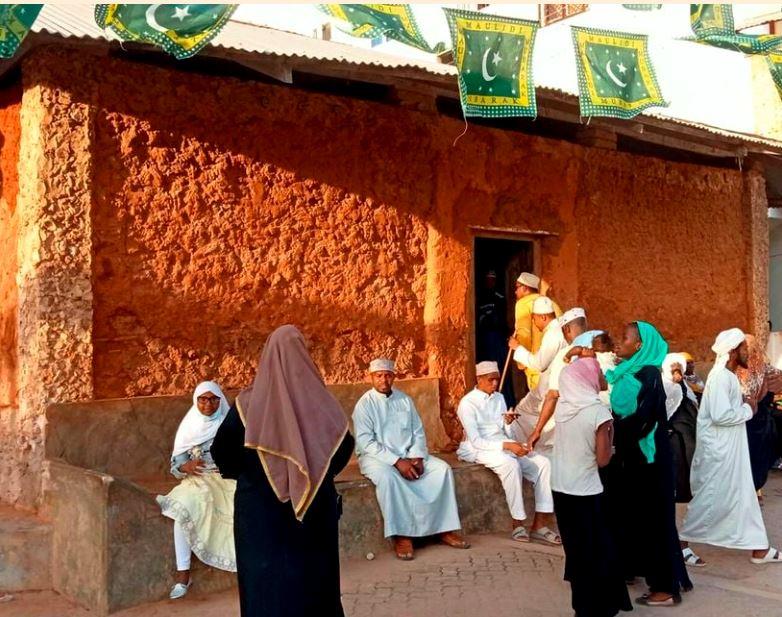
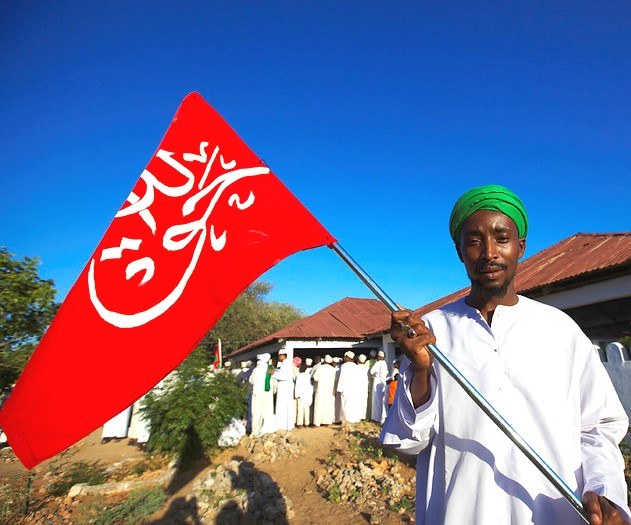
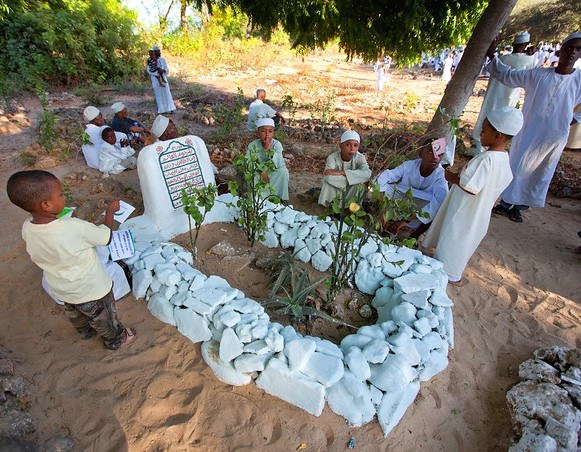
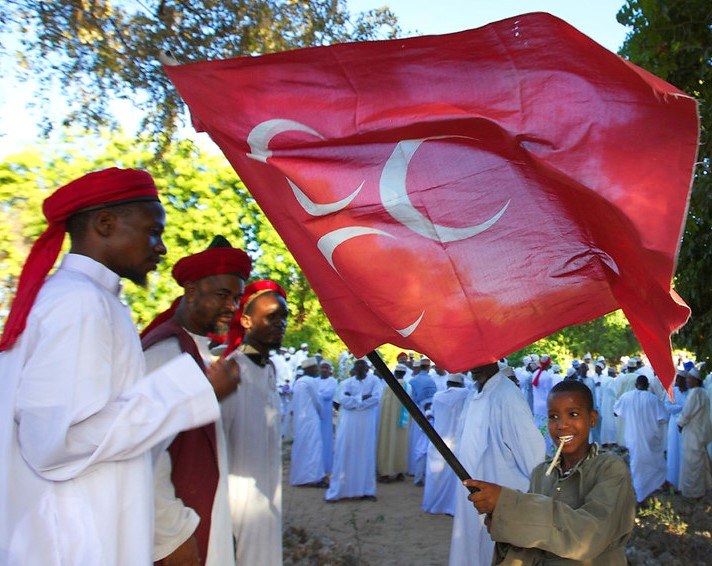
All that building known as the “House of Habib Swaleh Bin Alwi Jamal Al-Layl”, or more simply as “Nyumba ya Habib Swaleh”, situated in Riyadha, was gazetted as a National Monument on March 31, 2021. Its former occupier, Habib Swaleh, was, in all probability, one of the most influential reformers Lamu has yet been blessed with. He is a well-known Sufi in Lamu Archipelago, perhaps more than any other Sufi. This is in so far as Maulidi Festival is concerned. He introduced the enduring form of Maulidi al-Habshy to Lamu in the late 19th century and his reformation was by far the most important factor in opening up Islam and Islamic education to the descendants of slaves and the unprivileged Wagema (the coconut-tappers).
In doing so he changed local Islam from an exclusive religion for the privileged (Arabs and Waungwana) to an all-inclusive one which integrated people from all ethnic and social backgrounds. By such means, too, it meant that Maulidi Festival, which he introduced on the island, was a medium for social reform and symbol of social change. His lineage half completed his acclaim. Swaleh was a high-born of the Seyyid family, Jamal al-Layl, who are descendants of the family of the Prophet Muhammad. The word Habib is a title used in the Hadhramaut as an alternative to Seyyid I Sharif to note a descendant of the great Prophet, more so after his death.
This branch had produced a number of famous scholars who had migrated to many parts of the world including the Comoros and South East Asia to countries like Indonesia. They are also present in Hadhramaut and the Hijaz. An ancestor of Swaleh, Harun bin Abdul Rahman, had settled in East Africa earlier, making Pate home. His great grandson, Ahmed, moved from Pate Island to Comoro Islands, where both Swaleh and his father, Alawi, were born. Another remote ancestor is said to have voyaged from Hadhramaut and settled in Siu on Pate Island. From Siu another kin had moved to Anjouan in Comoros. Swaleh’s yenning for the simple lifestyle of Lamu was on the heels of his allied sheikhs who had settled in Lamu.
These were his uncles: Ali Abdullah J al Layl, Muhammad bin Fadl, Alawi bin Abu Bakr al Shatiri and Seyyid Mansab. According to some scripts, in 1866 the young shariff [Habib Swaleh] of around fifteen years of age, arrived in Lamu from the Comoros. Still, the exact date of his arrival at Lamu is arguable, but at the time of his death, Habib Swaleh is said to have been probably over eighty years. His age when he first arrived in Lamu from Comoros is said to have been about thirty. This sets the date of his arrival anywhere from 1860 to 1880 although local assessment is that he arrived thirteen years earlier. This coincides with the anecdote of his arrival in 1870, then 17 years old, for medical treatment and stayed with his uncle,
图片
Reply