
Fort St. Joseph(历史遗产 / 博物馆)
导语
Fort St. Joseph(历史遗产 / 博物馆)位于蒙巴萨,属于历史遗产 / 博物馆。页面重点包括The original Fort St. Joseph was built by Mir Ali Bey, a Turkish buccaneer who arrived in 1585 from Mocha in Yemen and took tribute from Mombasa, Lamu, Faza and Kismayu in the name of the Ottoman Sultan,由此展开当地地理、交通、文化和旅行背景。
正文
历史遗产 / 博物馆(Fort St. Joseph)位于蒙巴萨,可作为了解当地人文地点的一处入口。它的价值不只在于“到此一游”的景点标签,更在于把蒙巴萨的地理环境、城市生活、道路节点和地方记忆连接起来。
历史遗产 / 博物馆最值得关注的是历史背景、社区记忆、文化线索和现场参观方式。对旅行者来说,判断一个地方是否值得停留,关键不只是名称本身,而是它与周边道路、城镇和其他目的地之间的关系。放在一条县域线路中阅读,历史遗产 / 博物馆会显得更具体,也更容易被纳入实际行程。
从现有资料看,历史遗产 / 博物馆的吸引力主要来自现场环境和地方背景。它适合用较慢的节奏停留:观察空间本身,理解它与蒙巴萨城市或乡村生活之间的关系,再结合照片和周边地点形成完整印象。
把历史遗产 / 博物馆放进肯尼亚旅行语境中,它补足的是主流 safari 线路之外的县域细节。这里呈现的不是单一动物观赏或酒店体验,而是更日常、更具体的地方肯尼亚:城市绿地、社区空间、自然边界、历史痕迹和道路连接共同构成了目的地的真实质感。
因此,历史遗产 / 博物馆适合作为蒙巴萨目的地资料中的一页:它帮助读者快速理解这个地点的基本定位,也为规划区域停留、补充现场照片和串联周边路线提供参考。适合关注地方历史、人文旅行和肯尼亚区域文化的读者,都可以从这里获得一个可靠的起点。
英文原文
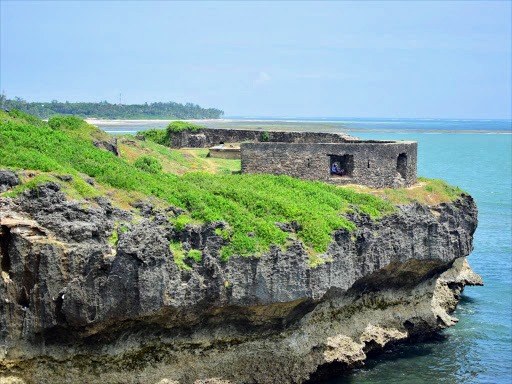
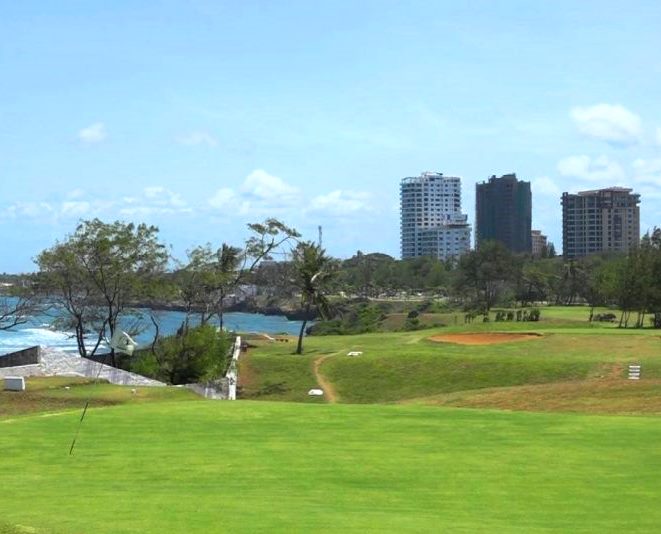
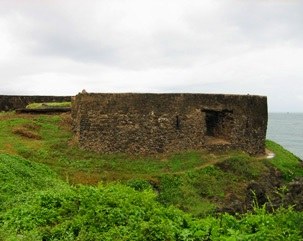
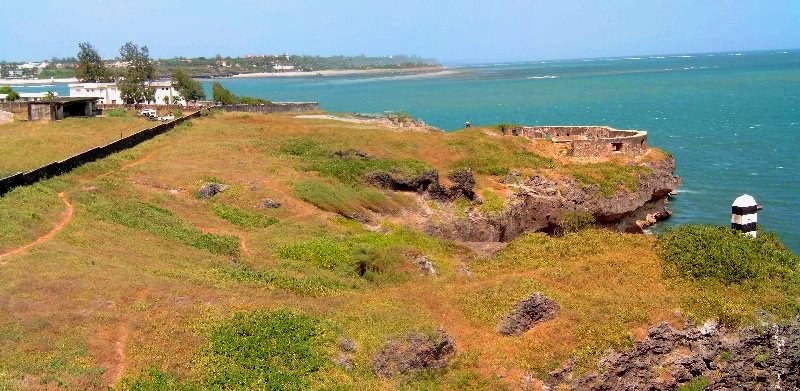
First Da Gama raised a padrāo, then the Turks built a fort, then the Portuguese used it as a chapel, then the Arabs turned the chapel into a fort, the ruins of which remain perched on the edge of a coastal coral bluff at Ras Serani near Mombasa Golf Club. The original Fort St. Joseph was built by Mir Ali Bey, a Turkish buccaneer who arrived in 1585 from Mocha in Yemen and took tribute from Mombasa, Lamu, Faza and Kismayu in the name of the Ottoman Sultan. He marshaled the support of the indomitable Zimbas – a tribe of fierce warriors who came from the south of Zambezi – to disorganize early attempts by the Portuguese to rule over Mombasa.
He ejected the Portuguese from most of their settlements, and when he returned to the Red Sea the following year is said to have taken fifty Portuguese prisoners and six hundred thousand pounds worth of plunder. Angst, the viceroy of India sent a fleet from Goa that wrecked Mombasa as a punishment for having allowed itself to be plundered by Ali Bey. From 1586 to 1589 the Zimbas overran the coast as far as Malindi. Ali Bey and the Turks returned in 1588 and founded themselves at Ras Serani, and also built the smaller ‘horse-shoe’ fort near the Kilindini Port.
In March 1589, Thomas de Souza Countinho arrived with twenty ships, so that there was a three-way rival power. At first the Zimba sided with the Portuguese to attack Ali Bey and his Turkish mates, easily crushing them, but after occupying Mombasa and attacking Malindi, the Portuguese proceeded to wage war on the Zimba aided by the Wasegeju tribe. The Zimbas were defeated, and their power entirely broken. The Portuguese occupied and enlarged Ali Bey’s Fort renaming it Fort St. Joseph. They also built a compact chapel – “Nossa Signora das Merces”.
When the Omani Arabs finally captured Mombasa they merely took over from where the Portuguese has left it off, using the small fort to secure the all-key Kilindini Harbour. Most people know of the pillar in Malindi put up by Vasco da Gama in 1499. What is less well-known is Mombasa also had its pillars. These columns or pillars with a cross on the top are described as padrāo [pl – padrāos]. There were many reasons for raising the padrāo, not least as proof of the rule of the Portuguese. The probable site of the padrāo in Mombasa was at Ras Serani.
图片
Reply