
History of Vihiga
About Vihiga Way Back When
Brief History of Vihiga County
Post Kenya’s independence in 1963, Vihiga remained part of Kakamega District. Vihiga District was created in 1990, when the densely populated southern region of the larger Kakamega was hived-off. The formation of Vihiga District was part of a broad government effort to bring services closer to the people. Mbale town, its current capitol, was elevated as the administrative headquarter. In 2009, Vihiga District was divided into three smaller sub-counties, of the then divisions: Vihiga, Emuhaya, and Hamisi. Historically, too, it was under the Western Province before the county system was established in 2010 following Kenya’s new constitution.
Since and all, Vihiga County has a rich history rooted in pre-colonial, colonial, and post-independence eras. In pre-colonial Kenya, the communities of Vihiga had defined their boundaries based on occupation, with each region having a unique language, rich customs, and lifestyles. Quite remarkably, the origin of the Luhya community, the dominant and largest group in Vihiga, is accounted for differently among the sub groups. Some believe they migrated from Egypt. Others insist they are Bantu speakers from West Africa. Still others call themselves Nilotic speakers heralding their origin in “Egypt.” Either way, they all dispersed in Kenya from Mt. Elgon. Their cultural traditions are most similar to those of the Bongomek Society.
Since time immemorial, Vihiga County has always been the homeland of several sub-groups of the Luhya community that include the Maragoli, Banyore, Tiriki, and the Idakho. It is, perhaps, the rapt and fascinating Tiriki sub-tribe that the county is well-known for. These communities were gatherers turned agrarian, cultivating crops like millet, sorghum, and later maize. They also engaged in livestock rearing. All the sub-tribes, more or less homogenous, and affable with each other, had unique social structures with clan-based systems and traditional leadership such as elders’ councils, the Abashikulu, holding sway over pertinent decision-making.
As we now know, during the colonial era, Vihiga District was part of Kakamega, and part of North Kavirondo District later renamed as Western Province. While disruptive, the presence of colonial machinery was rather tempered in Western Kenya in comparison to the consistent antipathy in central, Rift Valley and coast regions. The introduction of Western education, Christianity, and farming marked significant lifestyle changes. Education in particular played a big role in laying the foundation for missionary work schooling became necessary to enable them read.
It was definitely out of this close relationship between evangelism and elementary schooling that opportunities for higher education developed. Missionaries like Quakers, or Friends Church, arrived in the early 1900s and established schools like the Kaimosi Friends School, and health facilities including Kaimosi Hospital. These institutions greatly influenced the socio-economic development of the healthful region, ergo the coming of the Friends African Mission into Kenya was religiously motivated. However, the mission did not initially offer western education to their early converts, although this was a fore impulse aimed at achieving religious aims.
Just the same, The Friends Mission’s process of evangelization took a very unique method from any other missionary group in western Kenya through the creation of Christian villages. These villages which became very popular in the 1920s were not only used for imparting the evangelical traditions of the American Quakers, but also the knuckle of modern living for the Africans. These villages did a lot in the expansion of the mission. Combined with proper farming techniques Vihiga thrived, fast. According to the 2009 Census, it had a population of 554,622 and a population density of 1,044 persons / km2 which was one of the highest in Kenya.
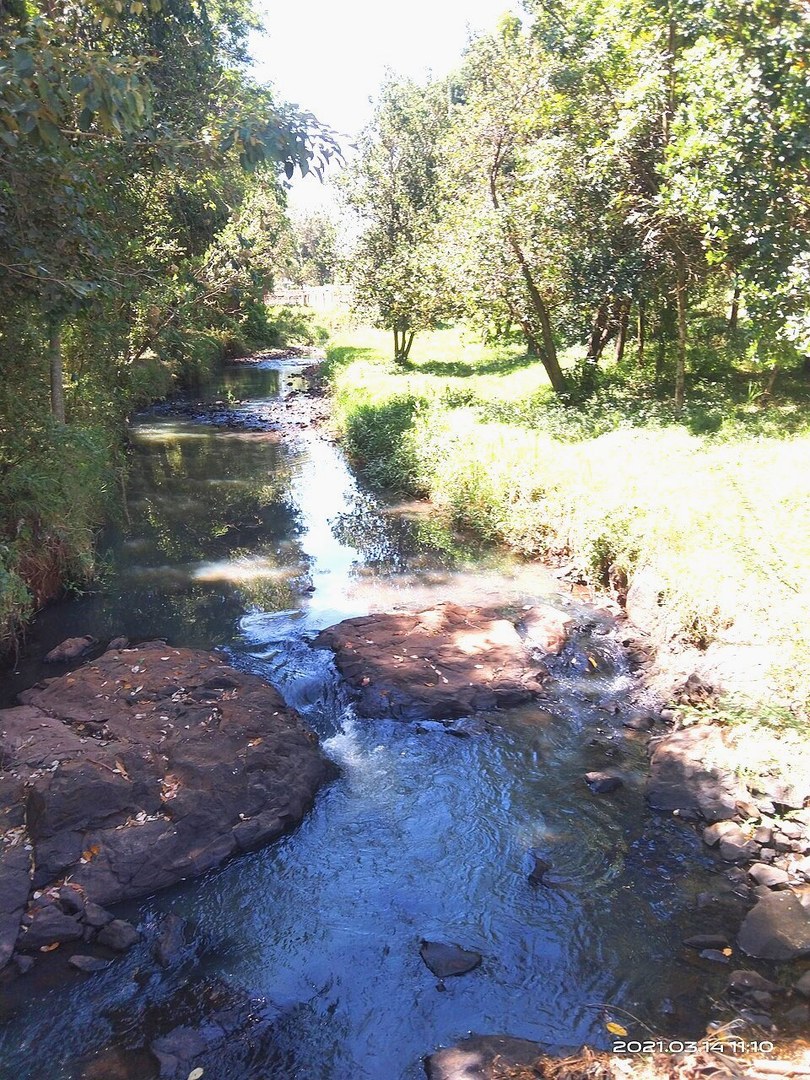
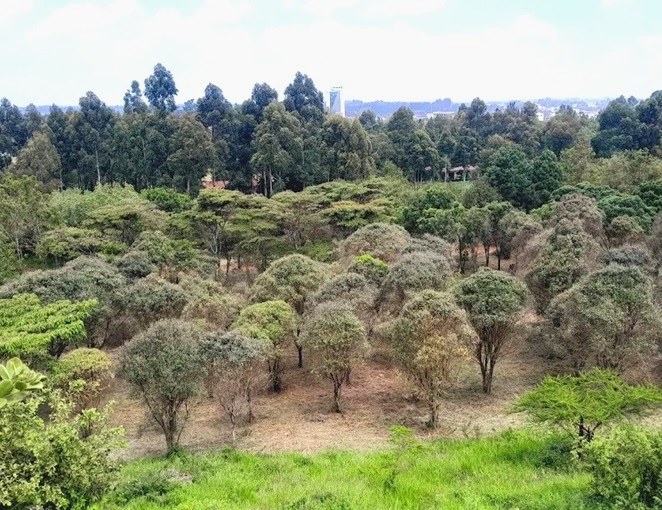
Typified by lush, green landscapes with rolling hills, rivers, waterfalls and forest, such as the much-noted Nganyi and Kaimosi Forests, which offer scenic spots for nature exploration and birdwatching, Vihiga County is famous for its agricultural productivity, especially tea and subsistence farming. Despite challenges related to population density it continues to thrive as a hotspot for farming and tourism.
You Are Here: Vihiga County
Where to Next?
Explore Destinations in Vihiga County
A Guide to Vihiga County
A Summa Digest of Vihiga
About Vihiga Way Back When
26 Attractions in Vihiga County , arranged as one would visit these - south, west, east then west - with aid of in-depth narratives, images, strip maps and distance chart:
Nganyi Rainmakers Forest , Roddy's Green Lounge , Bunyore Hills , Mbale, Kima Stone Mountain , Kima Church of God , Mwitoko Fish Farm , Kidundu Friends Church , Maragoli Hills , Mungoma Caves , Givavei Cave , Givavei Artisans , Jesus Wagevere Rock , Chabuga Mausoleum , African Divine Church , Obida Ombima Mill , Sosa Cottages , Mudete Tea Factory , Magnum Resort , Turaco Intercounty Resort , Kaimosi Forest , Kaimosi Mission Wildlife Conservancy , Kakamega Forest , Kibiri Forest , River Yala , Kichutu Gold Mine
Know More About Vihiga County: Its Geography, Land-Use, Highlights, Population, Roads - including a distance chart, Airports, Climate & National Monuments
What’s The Air Like In Vihiga?
Vihiga experiences a high equatorial climate with well distributed rainfall year-round. Temperatures range between 14ºC and 32ºC.
What’s The Lay Of The Land in C.38?
Generally speaking, Vihiga slopes gently from west to east – with undulating hills and valleys plying streams flowing from northeast to southwest, all draining into Lake Victoria as the mouth.

Reply