大迁徙旺季(7–10月)火热预订中 · 中文导游全程陪同 · 立即咨询定制行程
非行家旅行-Africa Wild Wander
  • Home
  • 定制线路
  • Kenya Travel Resources
  • 人文旅行
  • 自然旅行
  • Contact
  • 中文
home Kenya Travel Resources Cultural Diversity & Mineral Resources in Kenya

Cultural Diversity & Mineral Resources in Kenya

3 years ago • Kenya Travel Resources • 2

Kenya's Mineral Resources The potential mineral wealth of Kenya is still not fully known. Early in the 20th Century, official geologists were appointed for limited periods and, in addition, temporary Colonial Office appointments were made for specific investigations, as in 1914-15 for the examination of a portion of the Northern Frontier District. "At first for many years staff was limited, but more progress was made between 1940 and 1943 with the aid of a grant from the Colonial Development Fund. At the beginning of 1946, the Geological Survey became a branch of the combined Lands, Mines and Surveys Department, and three years later of the resuscitated Mines and Geological Department. A big grant was obtained from the Colonial Development and Welfare Vote in 1948 to provide for a considerable expansion of its stalled activities. Difficulties of recruiting proved to be considerable, and it was not until the 1950's that the full complement of geologists was attained. At the end of 1952 the staff of geologists numbered 16, but on an unbalanced basis. The chief economic minerals of Kenya going by the 1968 Geological Survey of Kenya were, and still are, soda, salt, gold, fluorspar, raw materials for cement manufacture, limestone and carbon dioxide; but numerous other products are envisaged. Geologists believe Kenya has lots of ores and industrial materials which have been established to be in substantial quantities. These minerals include soda ash, fluorspar, titanium, niobium and rare earth elements, gold, coal, iron ore, limestone, manganese, diatomite, gemstone, gypsum and carbon. Cultural Diversity in Kenya Kenya has a interesting mix of cultural history. It has significant archeological assets and colorful tribal cultures fascinating to researchers and tourists alike—and patently promoted in the tourism marketplace. Archaeological excavations around Lake Turkana in the 1970s unearthed a skull thought to be around two million years old and it is among the earliest human beings ever discovered—indeed a unique patrimony for mankind and for tourism. Kenya has a mosaic of 44 ethnic groups, each with its own culture and language, existing side by side, as the result of waves of in-migration (going back 4000 years) of Turkanas from Ethiopia; Kikuyu, Akamba, and Meru from West Africa; and the Maasai, Luo and the Samburu from southern Sudan. By the eighth century, Arabic, Indian, Persian, and even Chinese traders reached the Kenyan coast. They helped set up a string of coastal cities (for example, Mombasa and Lamu) and eventually the part-African, part-Arabic civilization infamous as the Swahili. Kenya was invaded first by the Portuguese, who were ousted after 200 years of struggle with the Swahili, and finally by the British who left at Independence in 1963. Kenya's cultural diversity forms an essential core of Kenya‘s tourism. Its rich heritage provides a foundation for tourism resource beyond nature and wildlife. At the moment about 70% of Kenya's energy is derived from renewable energy – hydroelectric and geothermal – with a steadfast approach on increasing wind and solar energy. So far, the Lake Turkana Wind Power Project and the Garissa Solar Garden are almost operational, with substantial projects in geothermal, solar and wind power in development. All these efforts have placed Kenya as the fifth globally in an annual Bloomberg index measuring investments and opportunities in clean energy, according to the East African. Last but not least, water, of course, is all-important to the success of the Kenya's effort to mitigate climate change. This implicitly means conserving and regenerating the forests that form the river headwaters. It's not easy. Kenya has been often hailed as a class act in tree planting. Each year, through countless collaborations between government agencies, private sectors, non-government, community initiatives and volunteers, millions of trees are planted or replanted to replenish damaged forests. It's easy to feel disheartened as the calamity of illegal logging appears to obliterate these efforts. But tree planting in Kenya is both a national outfit and the first response to the runaway climate disaster, and one that most Kenyans are passionate about, and always ready to go out time and time again to carry out. Perhaps this, and many other efforts, wil be a shining light. At the last, it has to be remembered that the climate crises cannot be achieved in isolation. It warrants a global approach and that indispensable level of global commitment.

Source Images

  • 原文未提取到图片。

Cultural Diversity & Mineral Resources in Kenya(水系 / 湖泊 / 海岸)

The Scramble for Africa(历史遗产 / 博物馆)

Related Posts

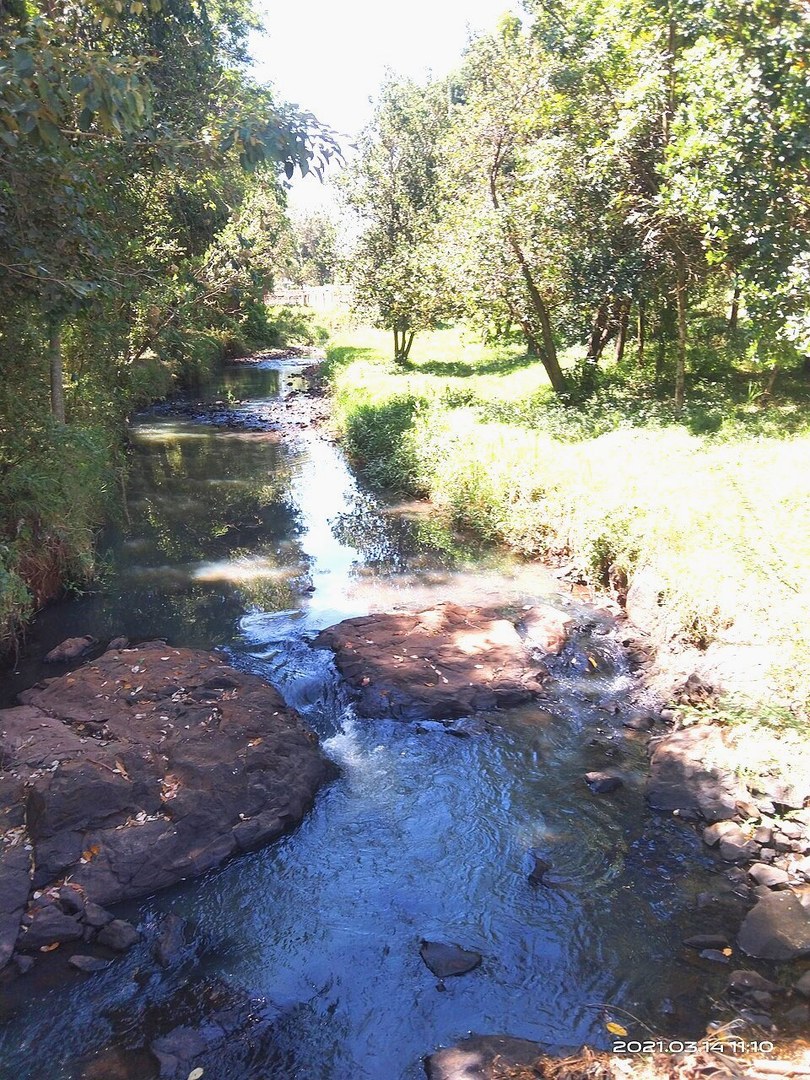
River Sosiani Park

River Sosiani Park

08/26
2026
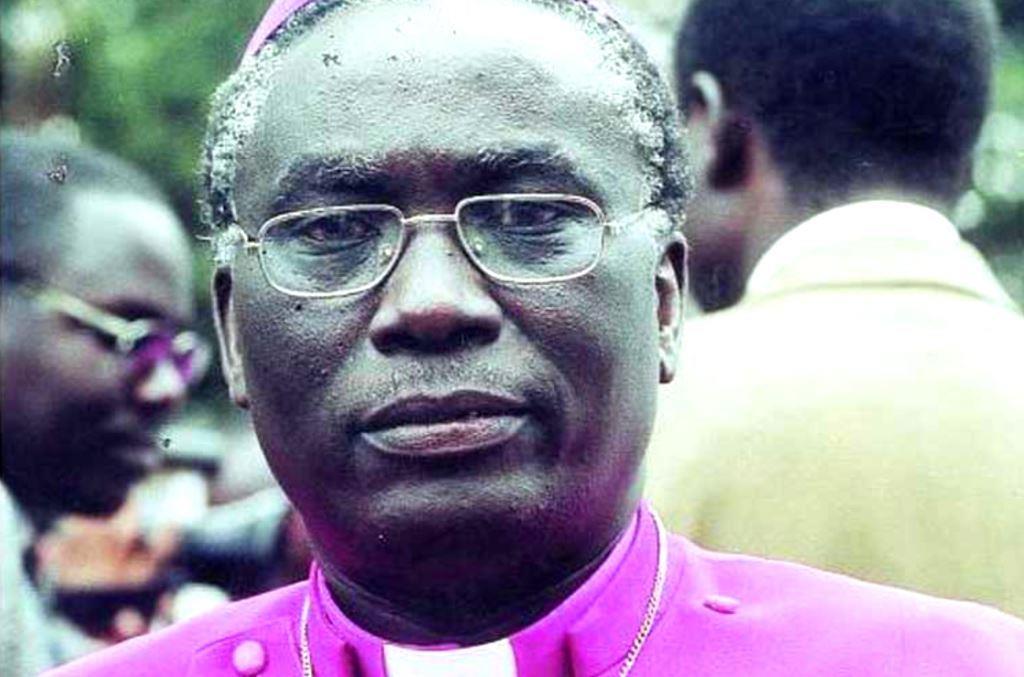
Alexander Muge Shrine

Alexander Muge Shrine

08/25
2026
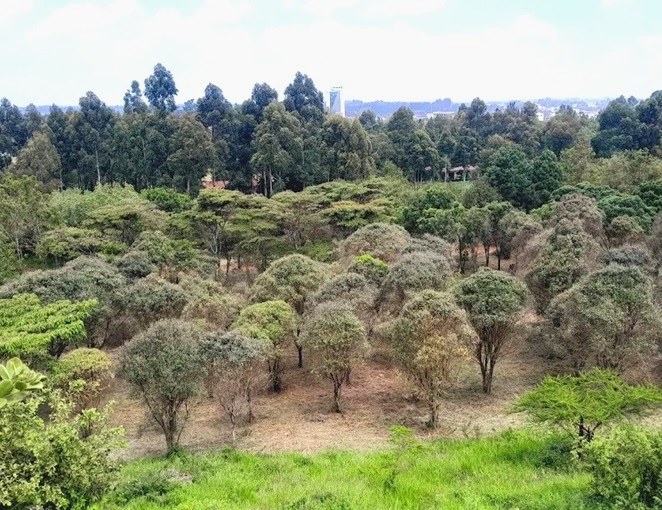
Eldoret Arboretum

Eldoret Arboretum

08/24
2026

About Africa Wild Wander

非行家 Africa Wild Wander 立足肯尼亚内罗毕,面向中文旅行者提供非洲与中东私人定制旅行。我们依托长期在地经验,整合可信赖的酒店、车辆、向导与文化资源,覆盖 Safari、家庭度假、摄影旅行、人文探索及商务考察;从行程设计到途中协调,让每一次远行更真实、更稳妥、更有温度。

Africa Wild Wander is a Nairobi-based team creating private journeys across Africa and the Middle East, with local planning, trusted partners and on-the-ground support.

  • Online Customer Service
  • 肯尼亚当地服务热线 · 7×24小时
    +254 714695218
  • Official Weibo
  • Contact Email
    [email protected]
  • Select Location
  • English Version
Copyright © 2017-2026 非行家旅行-Africa Wild Wander. All rights reserved.Designed by nicetheme.

+254 714695218

服务热线 7*24小时

  • Home
  • 定制线路
  • Kenya Travel Resources
  • 人文旅行
  • 自然旅行
  • Contact
  • 中文
';
  • 中文