
Emali Trig(山地 / 岩石 / 瀑布 / 观景点)
导语
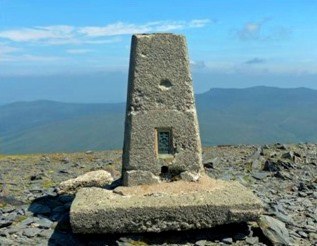
Emali Trig(山地 / 岩石 / 瀑布 / 观景点)位于马库埃尼县,属于山地 / 岩石 / 瀑布 / 观景点。页面重点包括One of the highest hills in the area is Emali Hill, attaining a height of 5,953 ft, a top which sits the Emali trigonometrical beacon simply dubbed the trig,由此展开当地地理、交通、文化和旅行背景。
正文
山地 / 岩石 / 瀑布 / 观景点(Emali Trig)位于马库埃尼县,可作为了解当地自然空间的一处入口。它的价值不只在于“到此一游”的景点标签,更在于把马库埃尼县的地理环境、城市生活、道路节点和地方记忆连接起来。
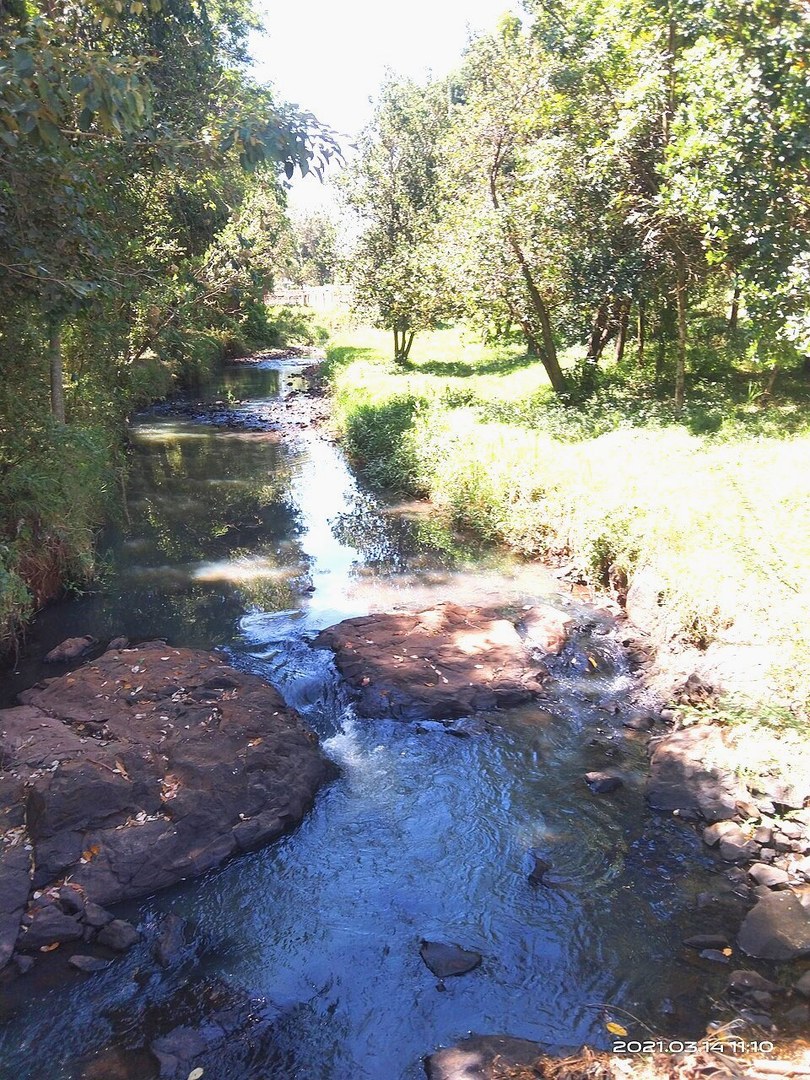
山地 / 岩石 / 瀑布 / 观景点最值得关注的是生态环境、植被景观、城市绿地价值和现场游览体验。对旅行者来说,判断一个地方是否值得停留,关键不只是名称本身,而是它与周边道路、城镇和其他目的地之间的关系。放在一条县域线路中阅读,山地 / 岩石 / 瀑布 / 观景点会显得更具体,也更容易被纳入实际行程。
从现有资料看,山地 / 岩石 / 瀑布 / 观景点的吸引力主要来自现场环境和地方背景。它适合用较慢的节奏停留:观察空间本身,理解它与马库埃尼县城市或乡村生活之间的关系,再结合照片和周边地点形成完整印象。
把山地 / 岩石 / 瀑布 / 观景点放进肯尼亚旅行语境中,它补足的是主流 safari 线路之外的县域细节。这里呈现的不是单一动物观赏或酒店体验,而是更日常、更具体的地方肯尼亚:城市绿地、社区空间、自然边界、历史痕迹和道路连接共同构成了目的地的真实质感。
因此,山地 / 岩石 / 瀑布 / 观景点适合作为马库埃尼县目的地资料中的一页:它帮助读者快速理解这个地点的基本定位,也为规划区域停留、补充现场照片和串联周边路线提供参考。适合关注自然观察、轻徒步、亲子活动和地方生态教育的读者,都可以从这里获得一个可靠的起点。
英文原文
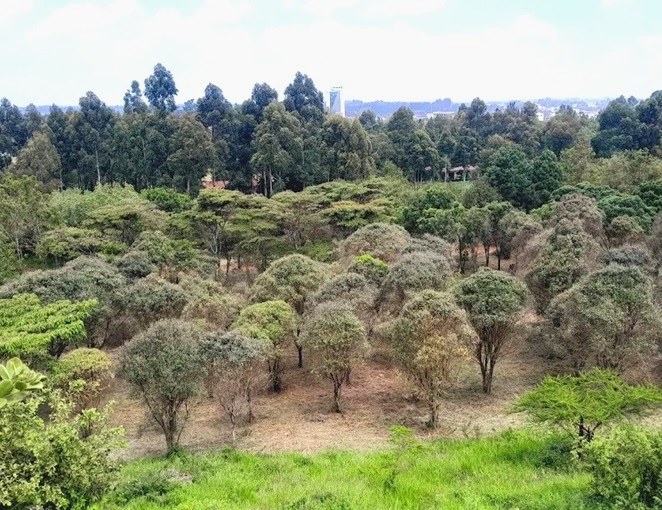
The flat area enclosed by the C102 Emali-Mashuru Road is mostly grass covered, with widely spaced Acacia trees. Shrubs increase in density on the hills south of Sultan Hamud running up to the valley of Emali Hills that’s thickly wooded. While being only moderate in elevation, the apposite landscape over which the conical hills emerge gives them a lofty impression. One of the highest hills in the area is Emali Hill, attaining a height of 5,953 ft, a top which sits the Emali trigonometrical beacon. Dubbed the ‘trig’, these are essentially fixed surveying stations, used in geodetic surveying and other surveying projects, in Kenya fabricated in the 1920s.
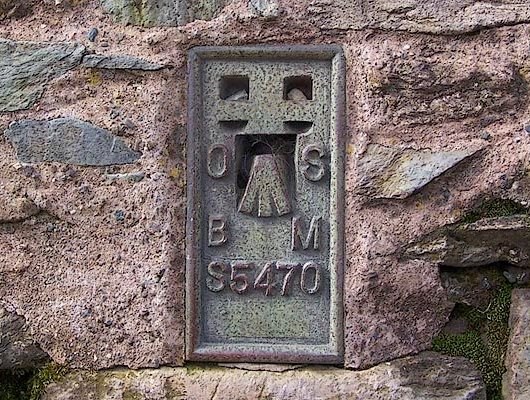
A graven metal plate on the top of a pillar or on the ground provides a mounting point for a reflector with known coordinates and elevation, often referenced with a tricky combination of letters, numbers and signs. Emali trigonometrical beacon, alongside those at Chyulu, Ngulia, Abosi, Kimenderit and Kakamega Reserve et.al., most underlain by a cover of soil and vegetation, was, in the 1970’s, the subject of fascinating interpretations none, perhaps, as nostalgic as the rumour that the ‘trig’ marked the presence of red mercury, stirring up the contrived “mercury rush”.
In the 1920s in Kenya, a “gold rush” sparked a significant increase in gold mining, particularly in the Migori Gold Belt. This period also saw a substantial rise in the demand and use of mercury for extracting gold through amalgamation, a process which, while efficient, also resulted in mercury contamination of the environment and posed health risks to the miners. The concomitant scam around the country, especially in Western Kenya, was that these trig beacons contained red mercury and were placed specifically in remote high areas as a state secret. Many went on a wild goose chase in search of the trigs and potential millions – in vain of course.
Around Kenya are a selection of natural landmarks, cultural shrines, architectural oddities, and technological installations that offer incredible, almost surreal experiences that can make you feel as if you’ve stepped into another world. Hauntingly beautiful to some, eerie sights for others, and still, for others, down right strange, these site provide unique experiences for adventurous travelers.
图片

Reply