
Carnegie House(Happy Valley / 殖民遗产)
导语
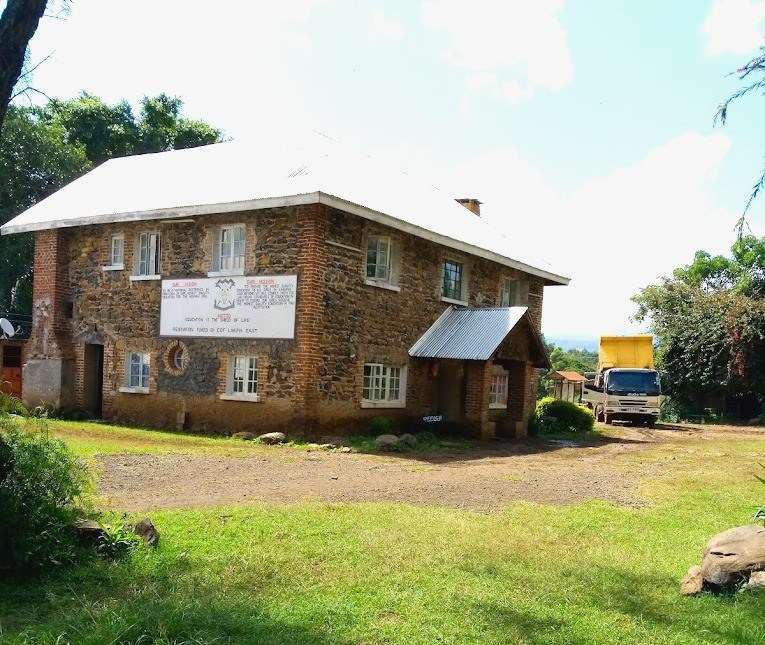
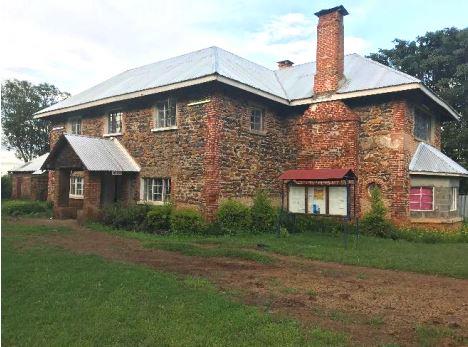
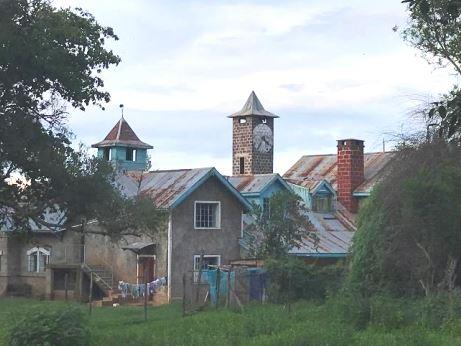
Carnegie House(Happy Valley / 殖民遗产)位于年达鲁阿县,属于Happy Valley / 殖民遗产。页面重点包括Currently made use of as a clinic and an administrative block at Ngobit Girls High School, Major Robert Francis Carnegie build these houses off B5 Nyahururu-Nyeri Road overlooking Mount Kenya in the early 1900s,由此展开当地地理、交通、文化和旅行背景。
正文
Happy Valley / 殖民遗产(Carnegie House)位于年达鲁阿县,可作为了解当地地方目的地的一处入口。它的价值不只在于“到此一游”的景点标签,更在于把年达鲁阿县的地理环境、城市生活、道路节点和地方记忆连接起来。
Happy Valley / 殖民遗产最值得关注的是地理位置、到达方式、现场体验和周边可串联内容。对旅行者来说,判断一个地方是否值得停留,关键不只是名称本身,而是它与周边道路、城镇和其他目的地之间的关系。放在一条县域线路中阅读,Happy Valley / 殖民遗产会显得更具体,也更容易被纳入实际行程。
从现有资料看,Happy Valley / 殖民遗产的吸引力主要来自现场环境和地方背景。它适合用较慢的节奏停留:观察空间本身,理解它与年达鲁阿县城市或乡村生活之间的关系,再结合照片和周边地点形成完整印象。
把Happy Valley / 殖民遗产放进肯尼亚旅行语境中,它补足的是主流 safari 线路之外的县域细节。这里呈现的不是单一动物观赏或酒店体验,而是更日常、更具体的地方肯尼亚:城市绿地、社区空间、自然边界、历史痕迹和道路连接共同构成了目的地的真实质感。
因此,Happy Valley / 殖民遗产适合作为年达鲁阿县目的地资料中的一页:它帮助读者快速理解这个地点的基本定位,也为规划区域停留、补充现场照片和串联周边路线提供参考。适合希望理解肯尼亚县域目的地的读者,都可以从这里获得一个可靠的起点。
英文原文
Currently made use of as a clinic and an administrative block at Ngobit Girls High School, Major Robert Francis Carnegie build these houses off B5 Nyahururu-Nyeri Road overlooking Mount Kenya in the early 1900s. At the verge of the great plains of Laikipia with the alpine mosaic of Aberdare Forest at hand, it is opportune that this picturesque destination inspired him to build such big houses and dream big. Next to these houses was an airstrip, now disused. There several such houses in the once white highlands, many in private lands and some owned by institutions.
Carnegie House, a common moniker for the old estate, forms an important link between the past and the present. It’s also commendable that its present tenant has continued to use the buildings with due care and commission. A decorated soldier who not only fought in WWI but also in Boer war, Major Robert Francis Carnegie migrated from Scotland in 1905 to settle, at the last, in Ngobit. By the time his wife arrived in 1913, he lived in a wattle hut with a tin roof and looked forward to the planned stone house. He died in Ngobit in 1947. His caricatures were a constant source of joy and he was always an enthusiastic settler farmer.
Born in Edinburgh, Midlothian, Scotland on 6 May 1869 to James Carnegie and Susan Catherine Mary Murray, Major Carnegie also had a noted military career in Africa’s war campaigns. He was in the siege of Ladysmith and was promoted to Major after a daring operation among the enemy lines to rescue one of his people who’d been captured while on a patrol. In 1905 he left the Army and bought land in the Masai Mara and grew wheat. He also hunted and ran a transport business with wagons. He bought small plots and experimented with various crops and creatures (including ostriches). He lived also in Nyando nearby Lumbwa station.
In 1908 C.W. Haywood sold cattle to Major Carnegie who had purchased 18,000 acres in the Kericho area, after being ejected from the Loitas to make way for the Maasai. He also owned a dairy farm in the Lumbwa area adjacent to the Nyando river. The Kericho venture in the Kipelat Valley was known as Hillhead Estate. It’s here that Cargenie is said to have planted the first tea bush in Kenya, but probably some animal ate it while he was back in the Army, chasing Von Vorbeck all over Tanzania. Moreover, at the same time, C.W. Haywood, then District Commission, raised another plant of tea in the prison garden at Kericho, then called Fort Ternan, thought to be the genesis and exodus of the much-vaunted tea industry in Kenya.
图片

Reply