
Badala Mosque(宗教建筑)
导语
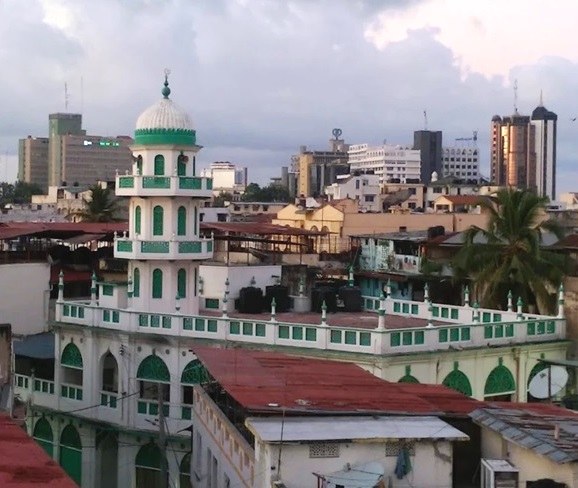
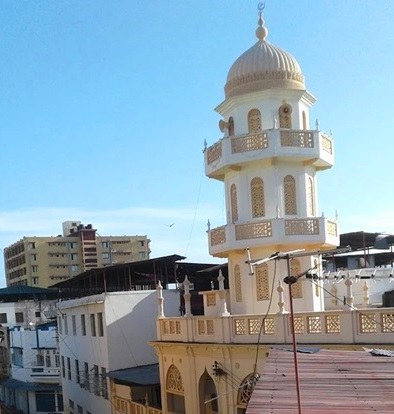
Badala Mosque(宗教建筑)位于蒙巴萨,属于宗教建筑。页面重点包括By the 1950s the Cutchi Sunni population in Mombasa had greatly increased and the Badala Mosque was extended to accommodate its congregation consisting of Cutchi Sunnis of all sorts,由此展开当地地理、交通、文化和旅行背景。
正文
宗教建筑(Badala Mosque)位于蒙巴萨,可作为了解当地地方目的地的一处入口。它的价值不只在于“到此一游”的景点标签,更在于把蒙巴萨的地理环境、城市生活、道路节点和地方记忆连接起来。
宗教建筑最值得关注的是地理位置、到达方式、现场体验和周边可串联内容。对旅行者来说,判断一个地方是否值得停留,关键不只是名称本身,而是它与周边道路、城镇和其他目的地之间的关系。放在一条县域线路中阅读,宗教建筑会显得更具体,也更容易被纳入实际行程。
从现有资料看,宗教建筑的吸引力主要来自现场环境和地方背景。它适合用较慢的节奏停留:观察空间本身,理解它与蒙巴萨城市或乡村生活之间的关系,再结合照片和周边地点形成完整印象。
把宗教建筑放进肯尼亚旅行语境中,它补足的是主流 safari 线路之外的县域细节。这里呈现的不是单一动物观赏或酒店体验,而是更日常、更具体的地方肯尼亚:城市绿地、社区空间、自然边界、历史痕迹和道路连接共同构成了目的地的真实质感。
因此,宗教建筑适合作为蒙巴萨目的地资料中的一页:它帮助读者快速理解这个地点的基本定位,也为规划区域停留、补充现场照片和串联周边路线提供参考。适合希望理解肯尼亚县域目的地的读者,都可以从这里获得一个可靠的起点。
英文原文
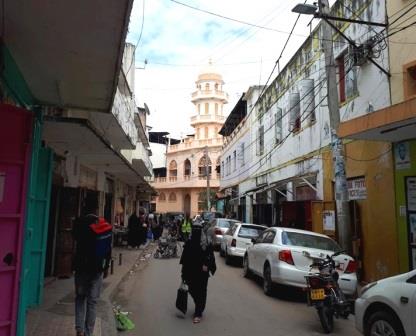
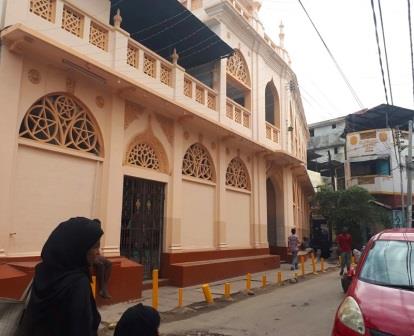
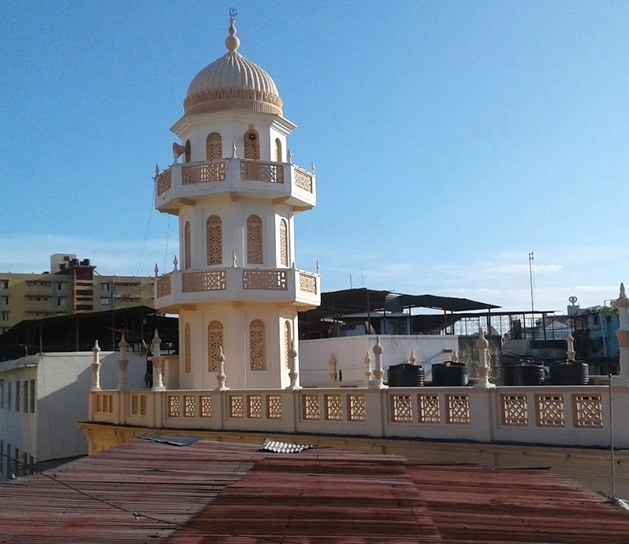
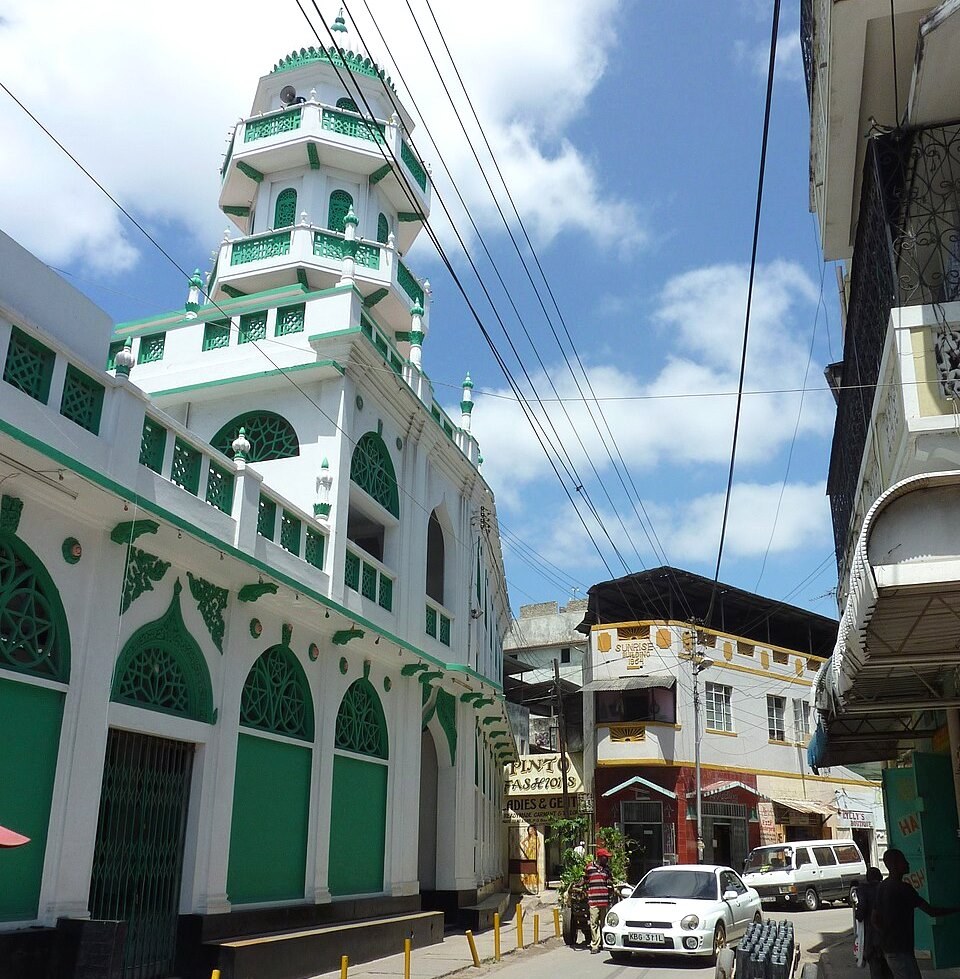
The Indian Sunni Muslims who settled in Mombasa were of many sorts, Cutchi Sunni groups each with their own traditional skill, and also Memon merchants. But all were united in that they followed the Hanafite school of Islam, rather than the Shafi’ite school preferred by the Swahili neighbours. In 1880 they combined to build the Jamia Mosque on the edge of Old Town. Then in 1910 the Cutchi Sunnis broke off from the Memons to build their own mosque in the middle of Old Town. The Badalas, being seamen by profession, had been the first Cutchi Sunni arrivals on the East African coast: it was a Badala pilot, Ahmed ibn Majid ‘Cunha’, who in 1498 showed the navigator Vasco da Gama the sea-route from Malindi to India.
By 1705 the Badala nakhoda (captain) Jusub Adam was settled in Mombasa. Since the Badalas were not only the oldest but the largest Cutchi Sunni community in Mombasa, their name has been synonymous with Cutchi Sunni in that town. Thus the new mosque, originally a simple single storey structure, was known as the Badala Mosque. By the 1950s the Cutchi Sunni population in Mombasa had greatly increased and the new mosque was extended to accommodate its congregation consisting of Cutchi Sunnis of all sorts. But it is still known as the Badala Mosque.
Islam first arrived in the coastal regions of Kenya through Arab and Persian traders, by the 8th century. At the prominent city-states such as Mombasa, Malindi, and Lamu that emerged along the Kenyan coast are many historic mosque from different eras. Islam in Kenya today represents a diverse and dynamic part of the country’s fabric, represented in beautiful mosque.
图片
Reply